

Matthew Ball on exclusives, turning Xbox around and ‘rethinking’ Helix amid the RAM crisis
“When I sat down with Asha for the first time, she asked me…”Is it fixable?”
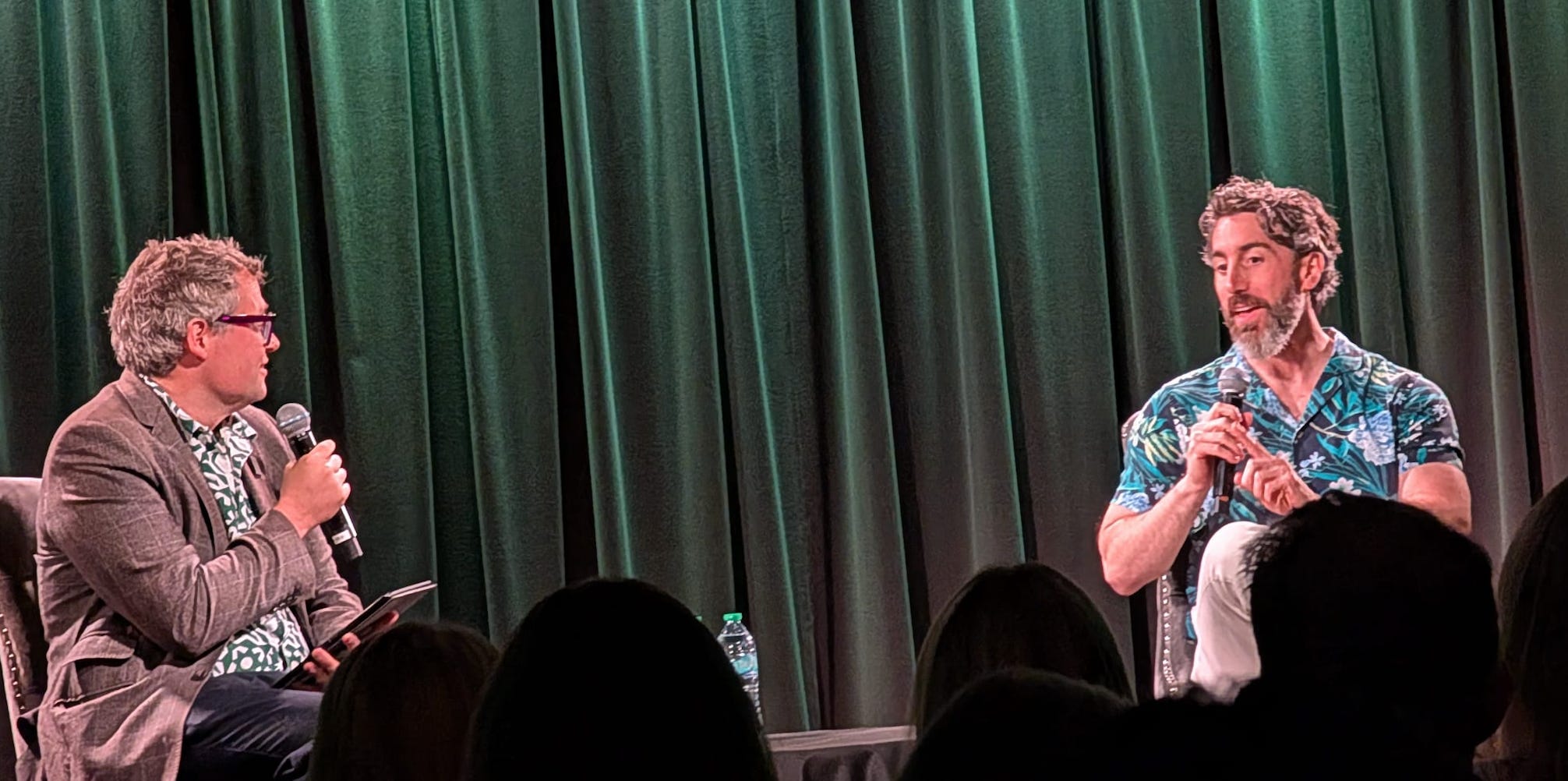
Hello. Neil Long here, founder and editor of mobilegamer.biz. I was at The Game Business Live to take notes for your regular TGB host Chris as he did his thing on stage this morning.
He sat down with Xbox strategy boss Matthew Ball, EA Entertainment leader Laura Miele and industry legend Jason Rubin to grill them about the past, present and future of the game business.
But perhaps most pressingly he spoke to newly-crowned Xbox chief strategy officer Matthew Ball. So let’s start there.
Ball talked openly and frankly about his – and his new boss Asha Sharma’s – desire to “turn the company around”. And was blunt in his assessment of the current state of the Xbox business, even noting that Asha Sharma wondered if the Xbox business was fixable during the recruitment process for his new role.
Ball answered a question about Xbox’s exclusivity strategy in three parts. To paraphrase, big handpicked first-party games like Gears and Clockwork Revolution will be exclusives in perpetuity. Games designed to serve large live service audiences like Call of Duty, Sea of Thieves will continue to be multiplatform. Then there’s the games already announced for other platforms, which Ball said will come to PS5, PC and Switch where relevant and as already agreed with partners.
But he also acknowledged that the whole strategy is a little confusing, and promised that Xbox’s thinking around exclusivity will be better explained to the public in the future. “That framework has to be external,” he said. “Everyone in this audience is an expert, an aficionado of the field, and I understand why they are saying ‘we still don’t quite get it’.”
Ball stressed that players and the wider industry must “understand very simply” where Xbox is going with exclusivity in future.
However, when Chris asked why Clockwork Revolution is a console exclusive but Senua isn’t, Ball simply replied: “No comment”.
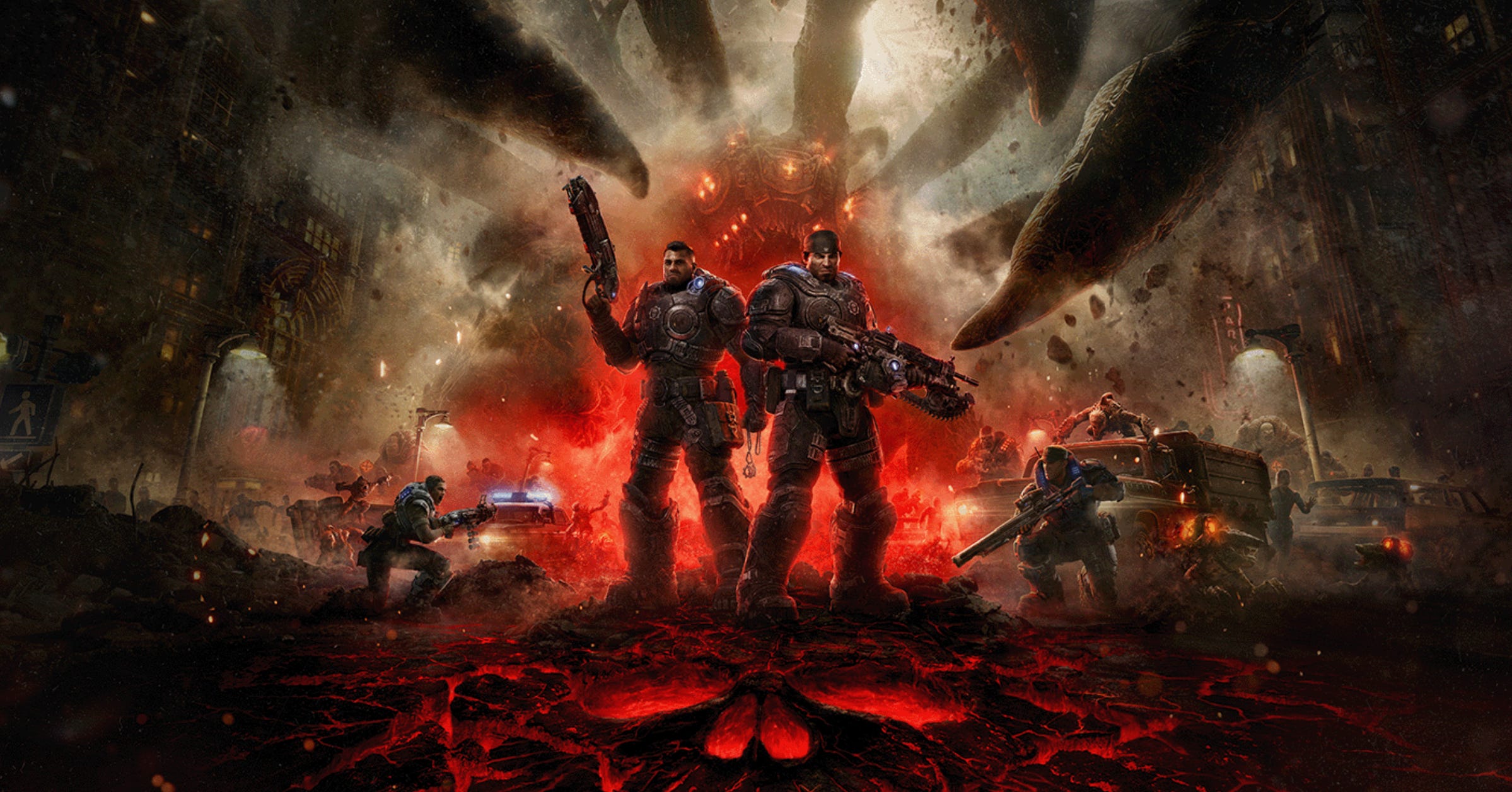
As a relatively new member of the Xbox executive team, Ball was clear that his first priority is to get the console business back on track. But he also acknowledged that platforms like PC and mobile are likely to be where the long-term growth is for the business.
“What is important is that we restore that [console] business before we look beyond to those other platforms. Do we need to get better at PC? Yes. Do we need to get better at mobile? Yes. At the same time, we can’t ask publishers, partners, and especially players to bet on us on other platforms where we are behind, where our technology is inadequate before we shore up the platform we have, the platform that many believe we’ve mistreated.”
At the same time, he stressed that Windows and PC is where Microsoft sees the largest player numbers in markets outside the US. “Windows is already where the world plays, and that’s a very important slogan to the company. It’s very important to Asha… at the same time, we are making an investment in our platform, the console platform, that is going to be strengthened by these exclusives.”
When we last spoke to Ball back in February, he said rocketing RAM prices made him fear for the future of the console business. And since then, he says it got even worse.
“I was underestimating how bad it was in February,” he said. “it is bad for players, it is bad for platforms…the crisis is not yet getting better.”
It is also leading to problems producing enough Xboxes to meet demand right now, he added.
“A lot of people are complaining about lack of supply of Xboxes… I can tell you definitively, demand for our console exceeds supply. We are putting them in as many stores as possible, we are producing them as quickly as possible. There is a severe limitation to how quickly we can do that.”
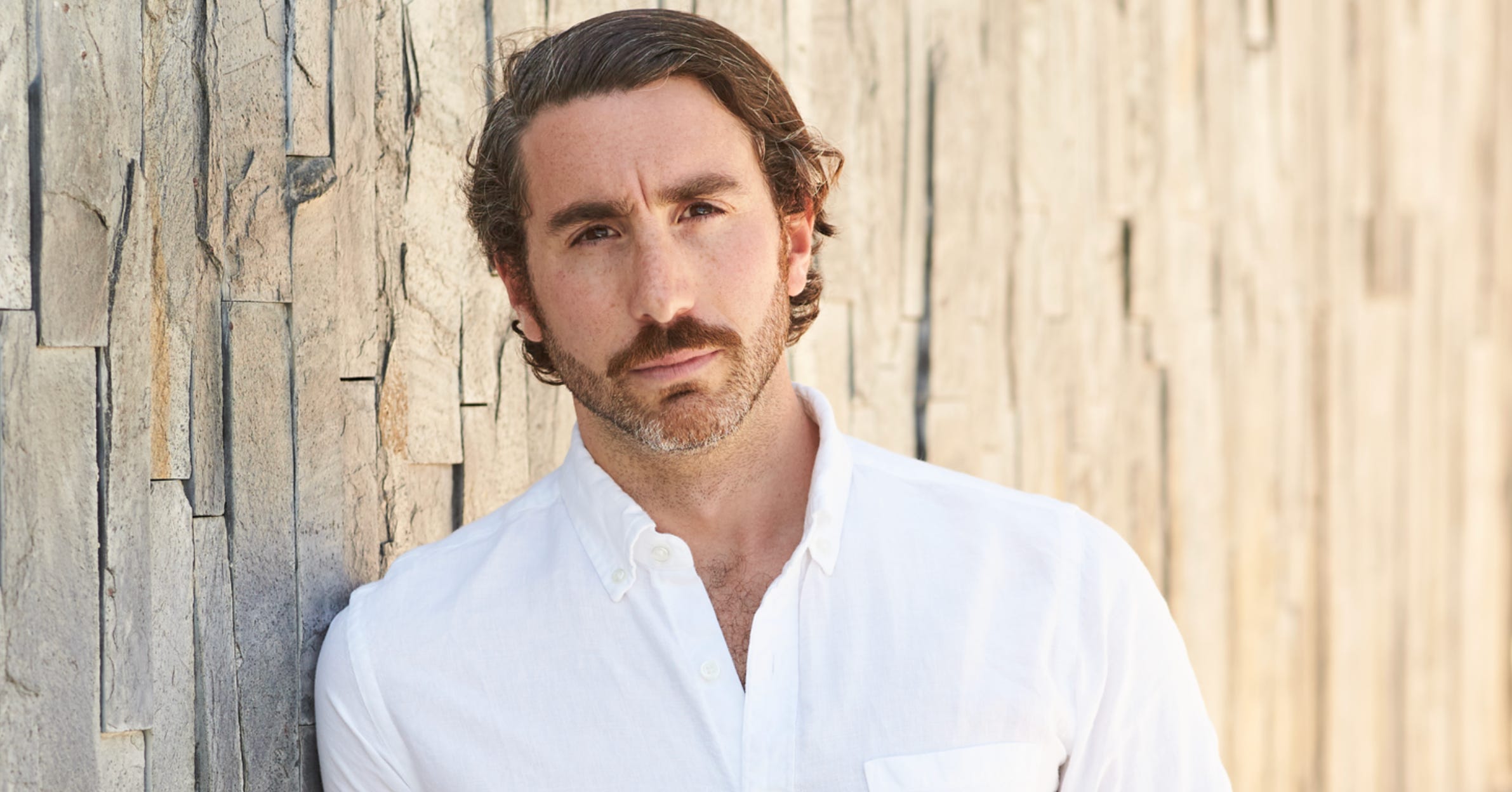
There was also a little hint at how the next Xbox, Helix, is shaping up amid that RAM crisis - and how Microsoft may now need to rethink its approach to the new console.
“We are working very hard to rethink everything that we can about Helix, which is a console we are committed to shipping, and we are very cognisant of the ways in which we need to change as a company to make sure it is affordable, to make sure that it’s flexible.”
“We are working hard to rethink what the console model can look like, not in an exclusionary way, but in an additive way.”
Ball said that memory costs could have knock-on effects for the business for the next two and a half years, and that “beyond that, it’s hard to speculate”
“But… we are working very hard to figure out the best way to navigate it for a way that works for everyone, that does not ask too much on players, but also doesn’t detract from other investments that we need to make.”
Elsewhere in the chat, Ball didn’t dare to predict the scale that GTA 6 might have when it arrives later this year – “I don’t know what the internal forecasts are. I get to plead the fifth a bunch today”.
He also asserted that he still thinks there’s some short-term potential for game streaming, isn’t too worried about losing young players to Roblox and stressed how important China will be to the future growth of Xbox. There was also a little chat about how implementing in-game ads in a smart way might help developers generate a little more ongoing revenue from their live games in the future.
But Ball finished up by recalling a frank and striking conversation with new Xbox boss Asha Sharma that took place as he took up his new role at Microsoft.
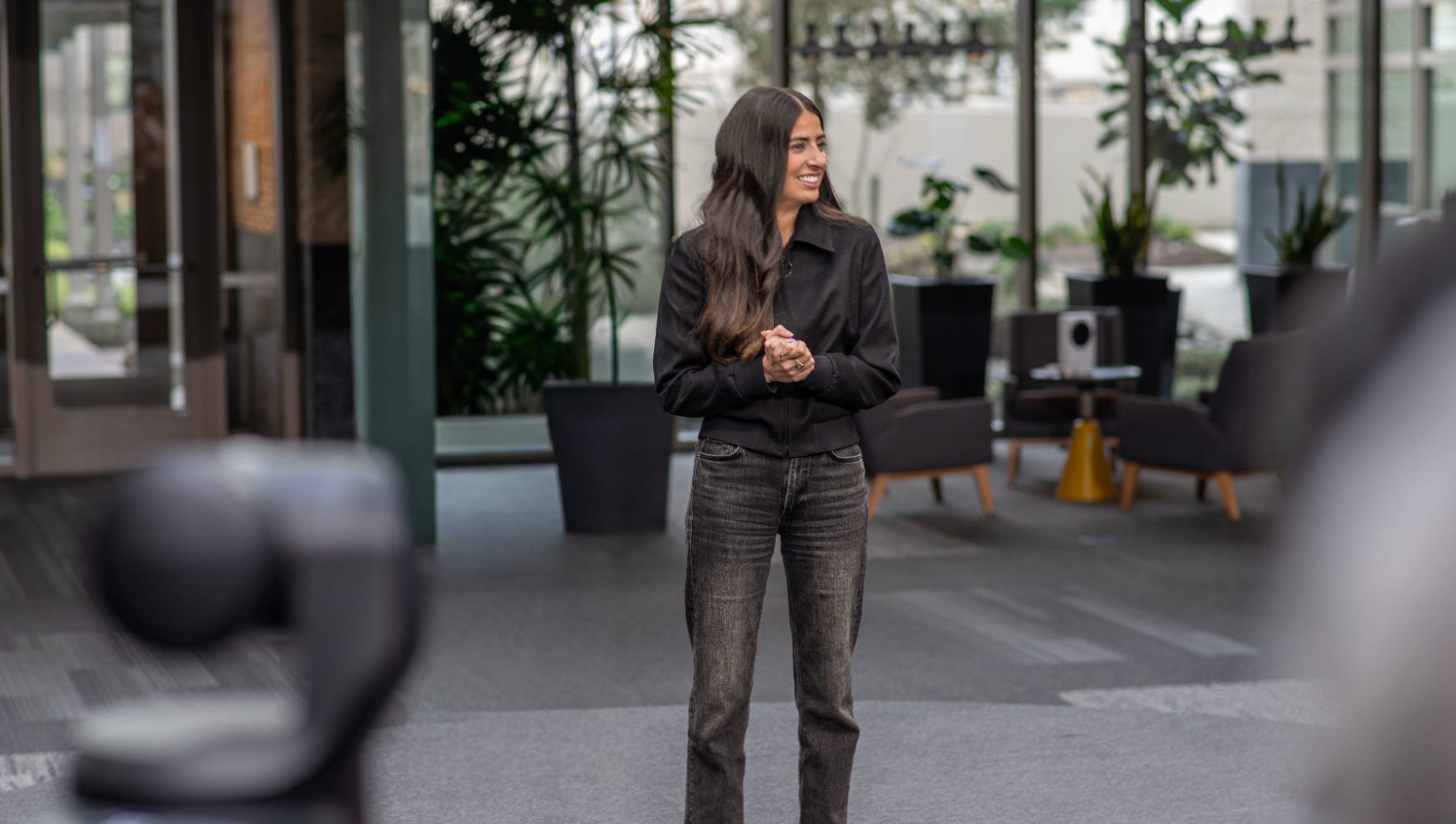
“When I sat down with Asha for the first time, she asked me…”Is it fixable?”
“She was not talking about the business, that’s part of it. She was talking about this specific business, which I’m now helping to run, which is fixable. I’m a strategic optimist. I think it’s incredibly defeatist to think that in any scenario you can’t do better...I joined because I believe I can contribute to that”
“I joined because what she told me she wanted to achieve, I believed was right and achievable… we can turn this company around and grow if we do better by our players – and we need to do that, we languished for several years – then the rest of the industry can in aggregate too.”
“At the macro scale we see a healthier than ever industry, you can find challenges at the national scale, but we see that players will come back when there’s a great slate…we are capable of turning around, and we have started – all of that is reason for optimism.”
The full video interview with Xbox’s Matthew Ball goes live on Thursday.