


Listen now on Apple, Spotify or YouTube
In This Edition,
Mark Healy, Kareem Ettouney, Iain Wright, Russell Shaw and Peter Molyneux on…
- Their shared history
- Reuniting for one last game
- The risks of self-publishing
In 1992, Mark Healy went for an interview at Bullfrog. He turned up with a disc that he thought was his portfolio, but was actually a pirated copy of D-Paint. They hired him anyway.
That same year, audio engineer Russell Shaw read an interview with Peter Molyneux where he expressed a desire to hire someone from the recording industry. Shaw rang Bullfrog, Molyneux answered, but sadly he’d already found someone and there wasn’t a role for him. Shaw then mentioned he’d worked with [Thunderbirds creator] Gerry Anderson. It turned out there was a role for him, after all.
In 2002, Kareem Ettouney - who had spent his career in Egypt doing all sorts of art projects - came across the Lionhead website and was struck by the drawings of Christian Bravery. He was compelled to get in touch.
Two years later, game designer Iain Wright met with Molyneux. Mid-way through their interview, he asked Wright if he wanted a cigarette. They were on the top floor, and Wright suspected it was test, and so he politely declined. Molyneux then sat on the window sill, lit up a Marlboro Light and carried on the interview. Wright thought: “now this is where I want to work.”
Over the years, Healy, Shaw, Ettouney and Wright would help Molyneux create some iconic games, including Dungeon Keeper, Black & White and Fable. But gradually they moved on. Healy and Ettouney formed LittleBigPlanet studio Media Molecule. Shaw freelanced for various game and TV projects. Wright travelled the world to work on major AAA games such as Watch Dogs, Assassin’s Creed, Horizon: Zero Dawn and Alien.
But everywhere they went, they took Lionhead and Bullfrog with them.
“[Media Molecule] was hugely influenced by our time at Lionhead and Bullfrog, culturally,” Healy says. “That was the foundation and our creative process.”
Wright adds: “I don’t think I would’ve gone on to do those other games if I didn’t have Lionhead on the CV. I’ve been all around the world at various studios, and when people find out that I worked on Fable 2, the first question is always, ‘what’s Peter like? What’s he really like?’ I’ve been asked that in every interview by every person I’ve ever met.”
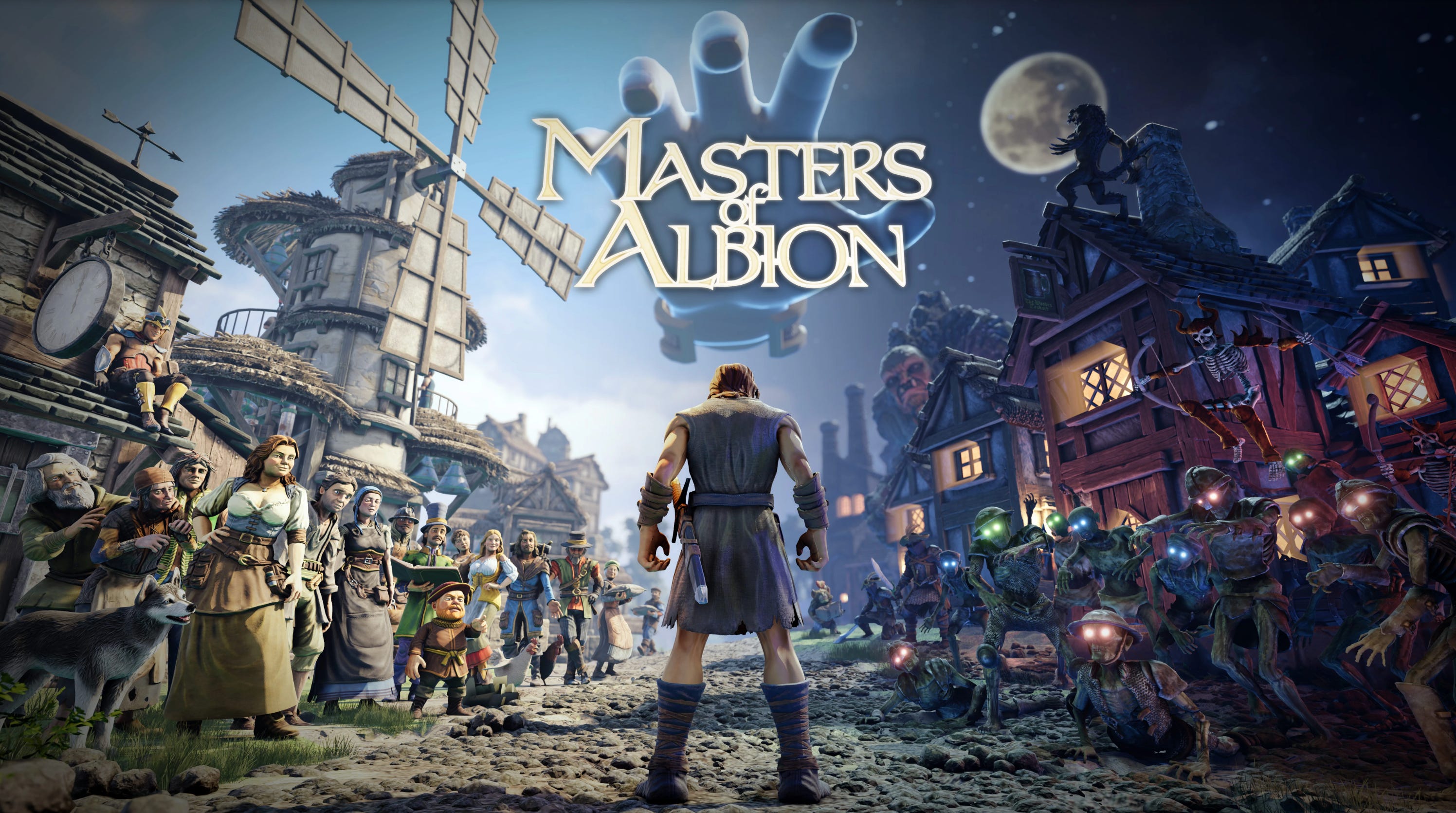
Today, Molyneux, Healy, Shaw, Ettouney and Wright are together once more for one final project: Masters of Albion. A God game that combines elements from all three of their most famous titles: Dungeon Keeper, Black & White and Fable.
“Masters of Albion is about freedom,” Molyneux begins. “We give you this amazing world, which is full of incredible things, and we give you challenges, but we don’t say: ‘you must do this’ or ‘you must solve this problem this way.’ I can spend my time city building. If I want to go adventuring, I can. If I want to build up defenses, if I want to unlock tech trees… I can do any of those things in any combination.”
During the day, players explore, build their town, and create defences, while at night they must fend off zombie attacks.
“It’s cozy by day and chaos by night,” Healy says. “There are a lot of people that like cozy games. They became really popular during COVID. I find them incredibly boring. I can understand the appeal, but it’s so much nicer if you just mix in a bit of extreme violence.”
Wright feels there’s “not anything like it” and that “it’s nice to be back in Albion”. It’s a similar feeling for Shaw.
“Peter explained that he was doing this game, which was a mixture of Dungeon Keeper, Black & White and Fable. I did all of those. And I said, ‘it’s got to be me’. And he agreed. Just the whole idea of a nostalgia trip for people who loved our previous games, to bring those together into one game in its own right… it appealed to me massively.”
For Ettouney, it was less about the project, and more about the reunion itself.
“Peter’s style of working… you can’t confine Peter and, as a result, he didn’t confine any of us,” he explains. “I got attracted to working in that way before even talking about the game. The mean is the end. The way is the end result. How we work matters very much to me.”
“Peter’s style of working… you can’t confine Peter and, as a result, he didn’t confine any of us”
Although the team is returning to a familiar genre and universe, things have changed. 22Cans, Molyneux’s current studio, is a far smaller outfit than Lionhead and Bullfrog. Masters of Albion is an indie project, not a AAA production.
It’s also a self-published game. 22Cans initially sought a publisher, but has ultimately decided to go it alone. There’s no EA or Microsoft to handle PR or marketing or community. It’s all on the team.
“We are incredibly inexperienced. I am petrified, because we are going into a world we don’t fully understand,” Molyneux admits. “We’ve been lucky that there are lots of outside people that are coming in and helping us, but I’m sure we are going to make some horrendous mistake. But… if this is going to be the last game, why not give it a try?
“The game is going to be Early Access. Because it has so many systems, we need to refine and balance and tweak those. Everyone says this about Early Access, but it’s absolutely true, we want to learn what people are focusing on and doing. A great game is absolutely made by incredibly talented people, but it also has to be refined. It has to be polished. And that, for me, is what Early Access is all about.
“We’re going to make some horrendous mistakes. Horrendous, horrendous mistakes. Almost everybody here, we have hired them for their passion, including the community team. They haven’t got any experience because, for me, passion trumps experience every time. And they truly care. We’re just setting up a Discord server now. How the hell does that work? I don’t really understand it. But making the mistakes and correcting them quickly is the important part.”
Advertisement

Six years in the making…
Molyneux’s way of working, by his own admission, is a nightmare for production people.
“It’s exactly like exploring,” he tells us. “You start out, ‘I want to create a game like this’. You don’t know the route you’re going to take. And every day, a feature comes in and has an overall effect, and that inspires you to think of another feature. Production people need a defined design that they can get their teeth into and say, ‘right, we need 10 artists, 15 coders’. Experimental, exploring-type development drives production people crazy. They would say to me, ‘why the hell didn’t you think of that six months ago?’ We didn’t think of it because we hadn’t seen and experienced that moment in the game to realize that the game needed it.
“That’s why Masters of Albion has been in development for so long. I think it’s six years. It feels longer.”
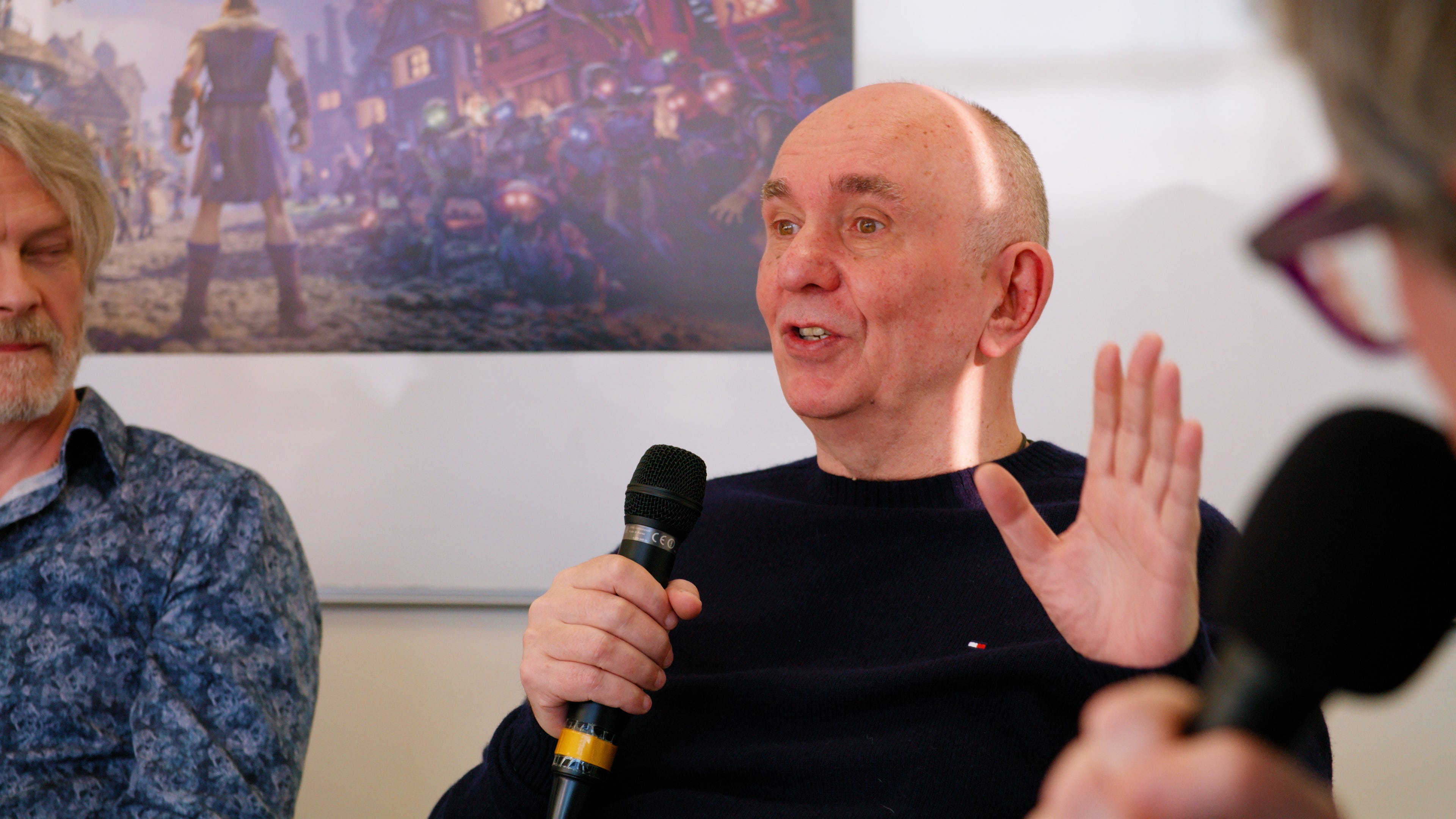
It may be messy, but Molyneux’s process has led to some all-time classics. Or at least, I think so. He personally doesn’t believe he’s made a great game. In a 2010 interview, he told me he wouldn’t be considered a great game maker until he had a game that sold ‘five million copies’. In my last interview with him in 2024, he said a great game gets a 10 from Edge magazine, he’s only ever managed a 9 (for Dungeon Keeper, Black & White and Fable 2).
Now surrounded by friends, I asked them if they agreed with Molyneux’s perspective?
“Before anyone talks… It’s not me making these games. It’s these guys. What I do is I just say. ‘Mark, make that look cool’. ‘Russell, make that sound cool.’ ‘Kareem, here’s two sentences, make an incredible fresco out of that’. ‘Iain, here’s a landscape make it…’ It’s not me going in, like a proper designer, and going, ‘oh Mark, you need to move that ear up two centimeters’. Or ‘you need to move that tree there.’ It’s just giving them the confidence to explore. They’re not my games. They’re our games.”
Ettouney disagrees: “He’s being humble. He does more than ask us to do genius stuff. Peter is the most courageous designer. He’s not afraid of his work. When you’re painting, there’s a point where you get afraid of the painting. You are scared to change it. Peter’s never scared to change. “
Healy quips: “I can vouch for that.”
Peter laughs: “At any stage of development.”
Back to Ettouney: “That’s courage, man. I’m like that in painting. I can obliterate the nicest bit of the painting in the last hour if it’s not right. And Peter’s like that. I love that courage because it’s contagious. Because he’s like that, we all become like that instead of just being a slave to your own piece.”
Even if they didn’t sell five million copies, or score an Edge 10, Lionhead and Bullfrog’s games have endured. Retro retailer GOG has a list of games that fans would most like to see come back, and No.1 with over 125,000 votes is Black & White (Black & White 2 is at No.5). And one of the big Xbox games of this year is the reboot of Fable.
“I feel unbelievably proud that people are still fascinated by those genres that we created,” Molyneux says. “I saw the latest Fable trailer, which I thought looked fantastic, and I was filled with emotion and pride that something that we all created, which felt impossible while we were creating it, has gone on.”
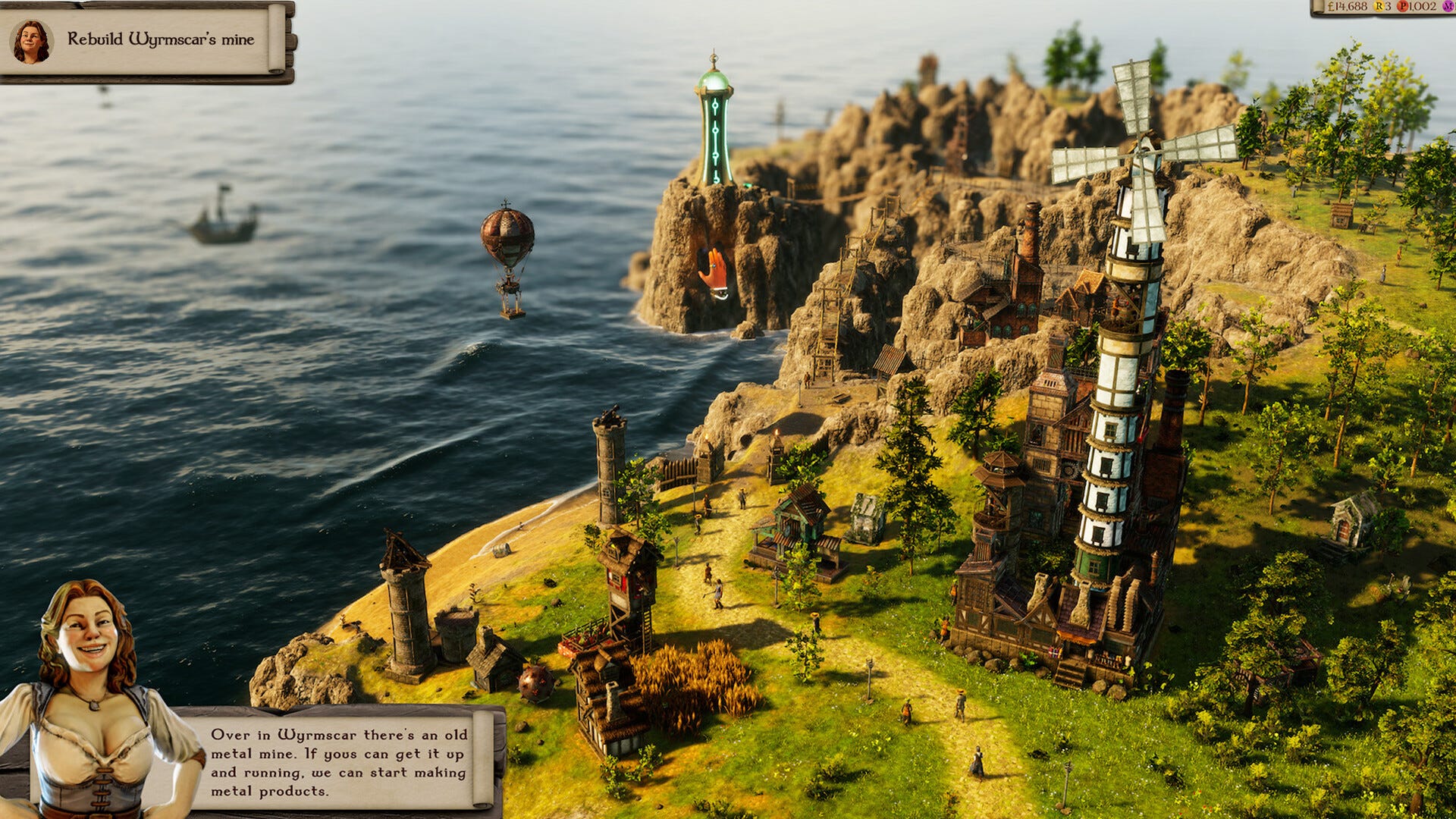
Will Masters of Albion be a hit? It’s hard to say. It’s an ambitious project for an indie team, and it’ll inevitably be a little rough around the edges to begin with. I wouldn’t expect an Edge 10 at launch. And it’s an unusual game in a relatively abandoned genre, so it’s hard to say how well it might sell.
But perhaps that’s beside the point.
“Obviously sales are nice, but I never got into making games thinking about sales,” Wright says. “I want people to enjoy it. People are still talking about Black & White. That’s what games can mean to people. And that’s what I want from this.”
Shaw adds: “In this sort nostalgic trip, we’ve reach massively high bars, and if we can get to that same bar with that… that would be a game won for me”
Molyneux agrees: “If this game just brings people joy, that for me is success. I mean, obviously I’m a greedy person, I want a percentage of the world’s population to play the game. But I can’t begin to tell you how it feels to be part of a team that creates joy. In this bleak world, creating moments of joy for people - and people do remember moments from Black & White and Fable - that for me is the greatest reward.”
“And 10 million sales.”
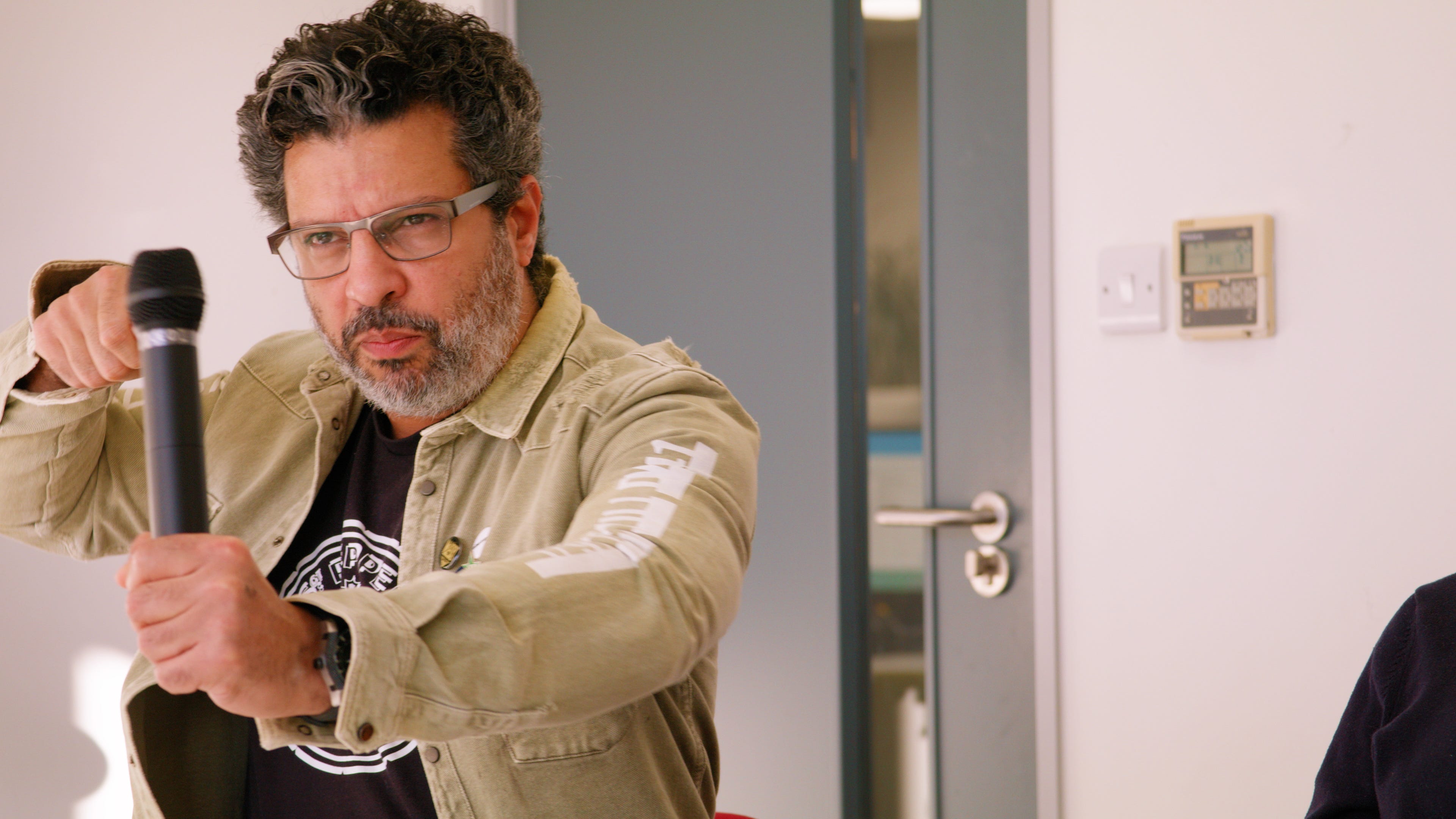
Ettouney and Healy have a slightly different perspective. For them, simply getting the chance to make one last game together is all the success they need.
“Every task I have is an opportunity to meet again with one of my heroes, and look at their work,” Ettouney says. “The amount of absorbing and reconnecting that I’m doing is the reason I’m doing this.
“Of course, we want to reach people. But I never liked those meetings where we talk about target audiences. I don’t like the word ‘target’. Target is somebody you want to kill. I can’t talk about the audience. I can talk about myself. And if I am satisfied, that’s all I can do.”
Healy concludes: “I’ve got the privilege of spending time making this game. For me, that’s as much success as I need. I just feel lucky that I get the joy of doing what I love doing with other people that love the same thing. That’s enough for me.”
That’s it for today. Do check out the full extended interview above. We’ll be back on Thursday with a bumper news and analysis edition featuring games analyst Matthew Ball. Until then, thank you for reading.


