


Listen now on Apple, Spotify or YouTube
In This Edition,
Wildlight’s Dusty Welch and Chad Grenier on…
- Online criticism to Highguard
- Lessons from Apex Legends
- Self-publishing
- The shooter genre
How do you announce a video game in 2026?
There’s no simple answer to that question. It varies by game, genre and audience. But when it comes to a live-service shooter, a popular strategy has emerged.
And it mostly involves letting people play it. Arc Raiders, Battlefield 6, Deadlock, Marathon… they have all run various forms of playtests. If players react positively, as they did with Arc Raiders and Battlefield 6, then they will create the hype you need to deliver a strong launch.
If the reception is more muted, like with Marathon, then you then have a chance to pull back, make some changes, and try again.
Highguard did not adopt this strategy.
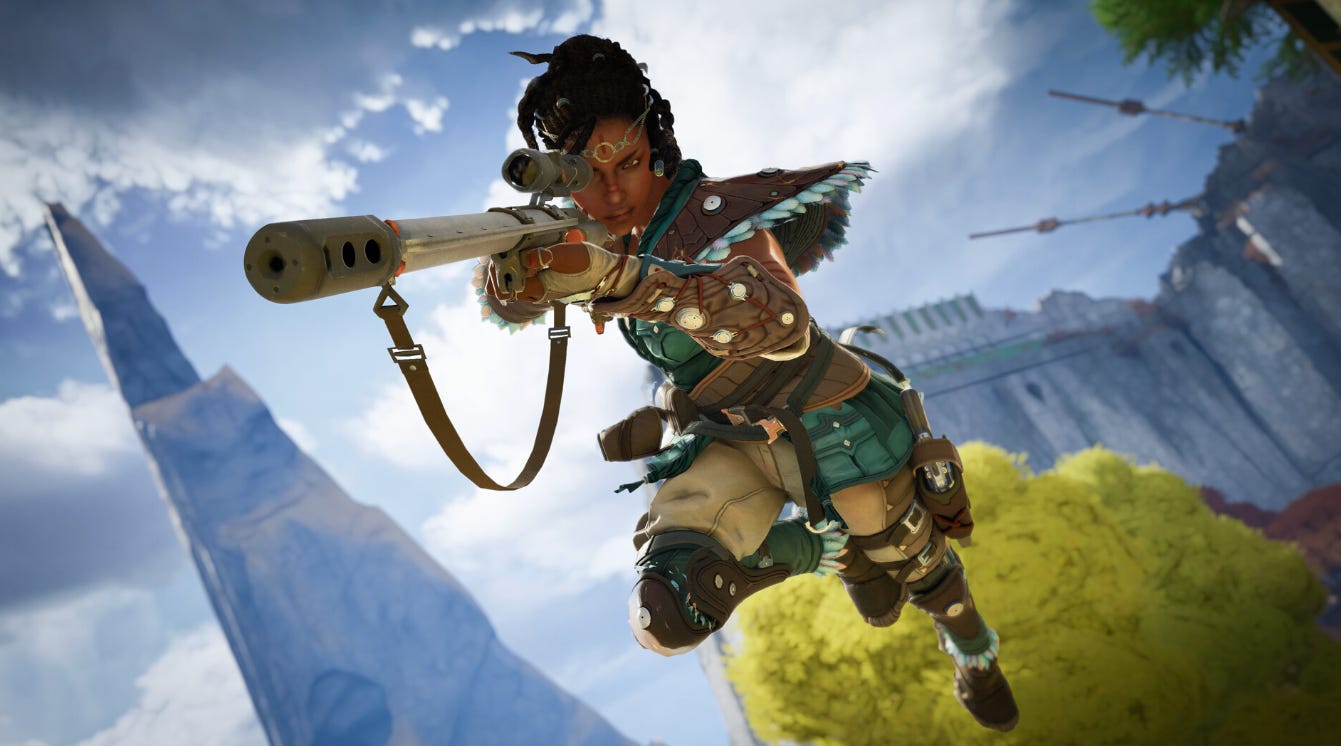
The new shooter has attracted a lot of attention because it was the closing reveal during last month’s The Game Awards. It’s made by Wildlight, which is a 100-person independent studio that formed in 2022 by former Apex Legends developers. In fact, over half the company was part of the 2019 Apex Legends launch team.
That Apex Legends launch was unique. The game received no prior marketing, no official announcement. They did one big media event, and then immediately put the game live. It approach was super effective, with 25 million people jumping in during its opening week.
“That launch worked, as you know, extremely well,” says Dusty Welch, CEO and co-founder of Wildlight Entertainment, and who was previously GM on Apex Legends.
“That was always our plan when forming this studio. We knew we’d make a shooter. We didn’t know what type or what it was going to be, but we wanted to do that surprise drop again. We’re an independent studio without the support of a big organization. Our money goes right into the development of the game. So, a surprise drop always made a lot of sense for us. We put everything into the game, so let it speak for itself.
“The deviation for us with The Game Awards was interesting. Geoff [Keighley] is a friend of the studio. We’ve known him for a long time back in the Titanfall days. Geoff came in and played the game, and he was blown away. He asked us to be a part of the TGAs and do something special by putting this kind-of game there, by an indie studio. And quite frankly we were honored to. We’ve got big franchises in our past, but nobody knows who Wildlight is. To be on the stage in the biggest show, with so many other known games and devs, felt like an honor.
“So, we revealed a trailer there. And we went back to our game plan, which is, ‘let’s stay focused, let’s stay quiet for the next six weeks’. And nothing speaks better to players than hands on the sticks.”
Dealing with the internet
Unfortunately, the reaction to the trailer was… let’s say mixed. There were a few reasons for that. There’s a general apathy towards online shooters today, people were perhaps hoping for a Half-Life 3 or a God of War to close the awards, and the trailer itself just failed to excite.
It led to a harsh backlash towards Highguard. Disgruntled gamers were calling it the ‘next Concord’, and even the media joined in.
“There’s been a bit of a shift in the online mentality and sentiment [around these games],” Welch says.
“I don’t know that we really let it affect us. We’ve been successful in building big franchises that stand the test of time by continually surprising our audience and dialoguing with them, and that’s the intention here as well.
“Ultimately, when you look top down from a 30,000 foot view, shooters are still the rocket fuel that is propelling the games business, both in monthly active users, in playtime, in revenue… the CAGRs are really positive, strong and continuing to grow. Five of the Top Ten games on PC are shooters by MAU. We can go on and on with stats. But still, there’s an undercurrent of sentiment and some disregard.
“What we focus on as a studio is what we can control, which is making a great game that we love to play internally. Believing in that and then releasing it, and being malleable to have that open conversation with the audience and being able to adjust.”
Still, it must have been a challenge not to say anything.
“We’re parents of the studio, if you will, the guardians of it, and it’s hard to not want to say something and protect your team,” Welch admits. “But ultimately this team is resilient. They were unfazed by that type of feedback. They have been there, done that. But that said, we also didn’t put our heads in the sand. We listened, we read, we took it to heart, and in some respects we retooled a little bit here and there, mostly messaging and positioning, and how we release and talk about this game.
“But yeah, it was hard to stay quiet. We wanted to just release it all.”

Chad Grenier, co-founder and studio head of Wildlight, and game director on Highguard, says the team is seasoned enough to handle the criticism.
“It takes a couple projects to get used to it and develop that thick skin,” he says. “I go back to my early days working on Call of Duty 1 and 2, and same thing, right? Even with games that are top tier, there’s always critics. And so over the years you get thicker skin. And honestly, all it takes are a couple really great comments, and it makes up for everything.”
Shooter showdown
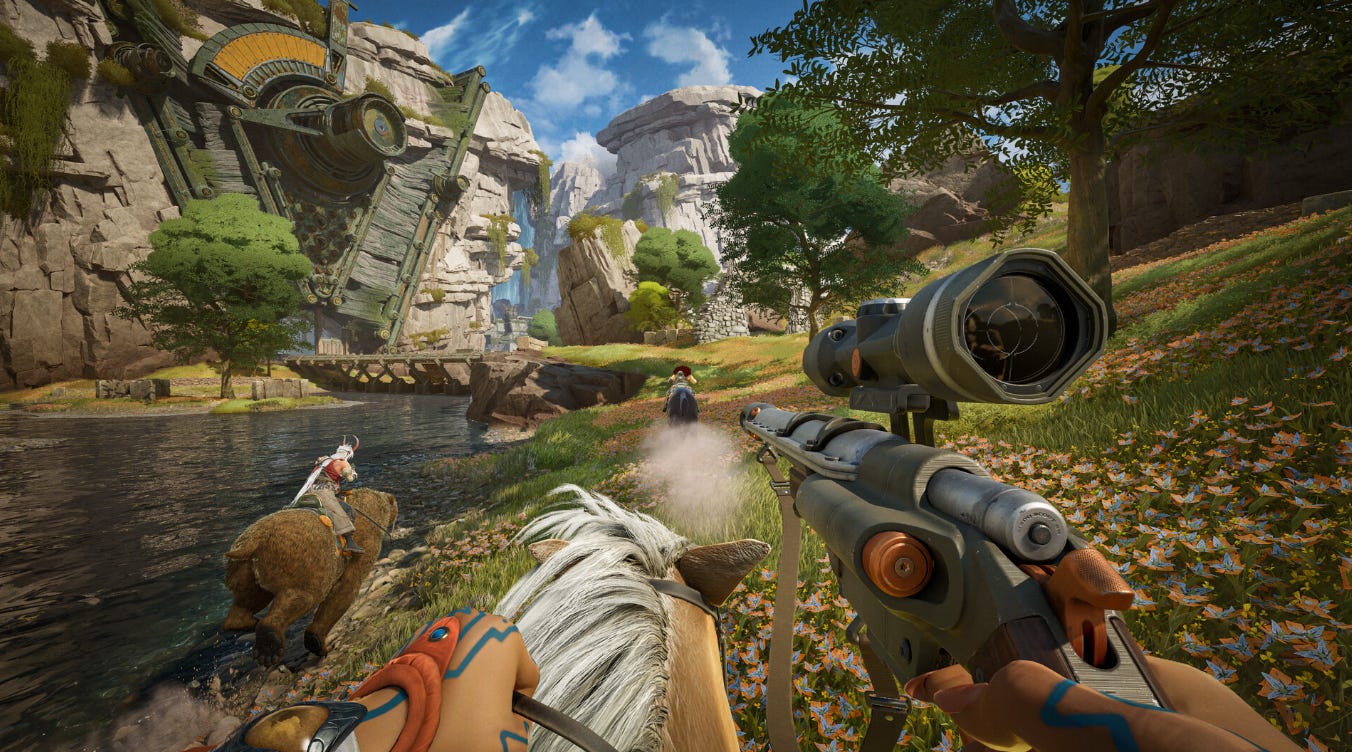
It’s worth noting that Highguard isn’t a battle royale like Apex Legends, but something the studio has called a ‘raid shooter’. It is different. And that’s going to be important in a genre that can be unforgiving. It is possible to launch a new successful online shooter, as Arc Raiders, Helldivers 2 and Delta Force have shown. But for every one of those, there are numerous Concords, XDefiants, FBC Firebreaks and Splitgates that have missed.
“We love making shooters,” says Grenier. “It’s our expertise. 60-plus people on this team launched Apex and Titanfall, and it was a crowded genre then also. When we launched Apex, we were like the 50th battle royale game to come out, and you could have said the same thing there. We’re doing our best to make a great game, and I think that a lot of players will appreciate what we’re doing.”
“Shooters are still the rocket fuel that is propelling the games business, both in monthly active users, in playtime, in revenue…”
- Dusty Welch, Wildlight
Building a great, differentiated game is only part one, of course. It’s one thing to get people to play your live service game, but it’s another to keep them playing. It’s something Welch and Grenier are mindful about, as it’s one of the things they got wrong with Apex Legends.
“Apex launched very successfully, but we treated the launch as the endpoint when that is really, as you know, just the starting point in engagement with your audience,” Welch recalls. “We were dark for about nine months while we took time to build more content. This is not the case with Highguard. We already have a year’s worth of content, either finished or in deep late-stage development. We have a full roadmap that all players can see.”
The problem with setting roadmaps before launch (especially if you’ve not done many playtests) is that you don’t know who your audience is at this point. You can make assumptions on who they will be and what they might want, but it could transpire that the post-launch expansions you’ve been building are not what people are asking for.
“It’s almost guaranteed that things will change once we launch,” Grenier admits. “We learned how to communicate with our players on Apex. We had a few missteps there and we’re taking those learnings and applying them here, and having an open dialogue. I’m excited to see what they gravitate towards and what they care about. And to make sure that we’re fulfilling their needs.
“But we still wanted to start with something, so we’ve got a year’s worth of content we think they’re going to love. Also, there are things that aren’t really player facing. We’ve already practiced rolling out hot fixes and patches, and we’re deep into testing season two, season three, and all those builds already. From a development perspective, we’re just much better equipped for success this time.”
Solo player
But what about from a publishing perspective? Apex Legends had the weight of EA behind it, while Wildlight is self-publishing Highguard.
“To be honest, when we started the studio, we didn’t have the intention of self-publishing,” Welch shares. “But the landscape has changed positively for indie development allowing us to fulfil that type of capability. It would be foolish to think we could just do it on our own with no expertise. Certainly, I have a deep background in business and publishing throughout my career, and our experience together on Apex gave us a lot of encouragement that we could pull it off.
“But just like building a game, it all starts with a team. We onboarded hires that we were familiar with, who were successful at EA and directly on Apex and other franchises, to build our publishing capability. We actually have a team internally that has launched multiple live service games. That gave us a lot of confidence.”
There’s certainly a lot of experience here. But even so, Wildlight is competing in one of the most contested spaces in video games, and against much bigger teams with immense budgets.
But then, not every new online shooter needs to have 25 million players in its first week.
“This is a passion project for us,” Grenier concludes. “Success to us is other people playing the game, loving the game, building a community and just hearing that praise from our fan base. When we started the company four years ago, it wasn’t to reach certain financial goals or anything like that. It was to create great games and let this talented team do their best work.
“Whether it’s a big audience or a small audience, I just want people to love it and see what we see in it.”
That’s it for today’s edition of The Game Business . On Wednesday, paid subscribers will receive our December market report. And for everyone else, we’ll be back on Thursday with another bumper news and analysis show. Thank you for reading.


