


Listen now on Apple, Spotify or YouTube
In This Edition,
Bethesda’s Todd Howard on…
- The impact of Fallout Season 1
- Making the most of Season 2
- Bringing in non-gamers
- Maintaining three RPG franchises
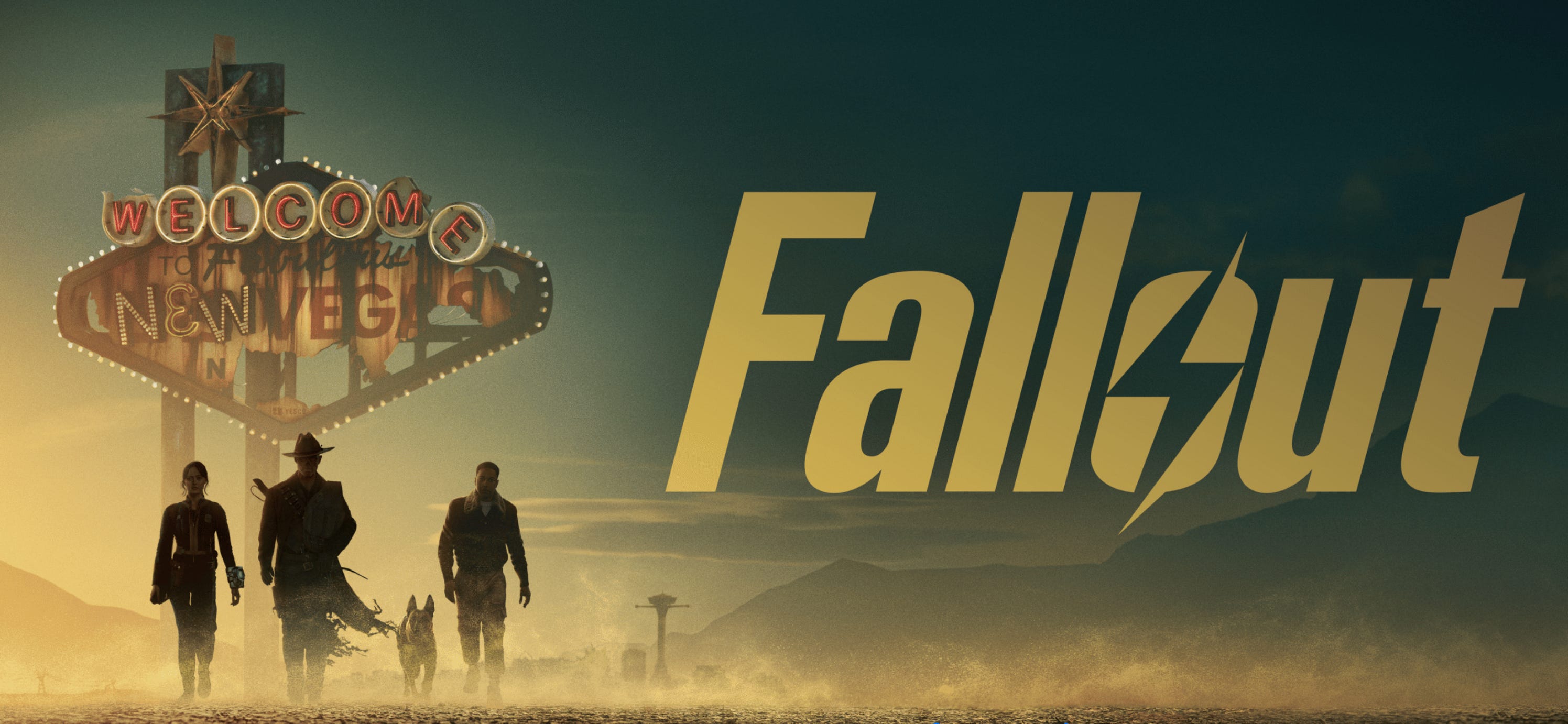
The first season of the Fallout TV show had a profound impact on the games.
The Amazon TV series debuted in April 2024, and to coincide with its release, Bethesda updated the various games and cut their price. The TV show was a monster success and every Fallout game surged up the charts. Fallout 4, which was nearly nine years old at that point, became the No.1 selling game in Europe that month.
“The first go around, we expected a lot of people to come to the games,” begins Todd Howard, game director at Bethesda and executive producer on the Fallout TV show.
“So, we made sure that the games were ready for new audiences and returning people, whether that’s [online game] Fallout 76, Fallout 4 for single-player, or Fallout Shelter for mobile. And the response was way bigger than we ever thought. We were doing 5 to 6x our usual play patterns and numbers during Season 1. Therefore, going into Season 2, we knew we could take advantage of that even more.
“Also, because we had an understanding how the show was made and being able to sync up timelines, we were able to bring in more things into particularly Fallout 76. So, yes, we were able to be more ambitious because of what we learned from Season 1 and the timeline.”
“The response was way bigger than we ever thought. We were doing 5 to 6x our usual play patterns and numbers during Season 1.”
Howard is referring to Fallout 76’s new Burning Springs update, which features the TV show’s iconic character The Ghoul, which is played by Walton Goggins in both the show and game. But beyond that, Bethesda released the Anniversary Edition of Fallout 4 last month (including a Switch 2 version), and has done a number of major updates to Fallout Shelter, including bringing in elements from the TV series.
“Fallout right now is unique,” Howard says. “You want to watch a show? We got a great show. You want to play an online game? We have a great online game. You want to play a single player? We have Fallout 4. You want to play a mobile game? There’s Fallout Shelter. And they’re all operating with very, very large audiences.”
He continues: “Everybody will say to us, ‘it’s really disappointing you don’t have a new game to take advantage of this’. And it’s like, ‘well, the show is great. It is what it is. It’s doing great for us. We’re taking advantage of it. And when the next main Fallout game comes along. I think it’ll do great as well’.”
Streaming Fallout
It’s unlikely Fallout Season 2 will have the same impact on the games as the first season. Both The Last of Us and Halo TV series saw diminishing returns in that regard when they came back for a second run. Nevertheless, a lot of energy is going in to capitalising on the second season, and not just in terms of cross-over content. Bethesda is working with Xbox Cloud Gaming, Amazon Luna and even Samsung to make it as easy as possible for people to jump from the TV show into the games, without the need for a gaming PC or console.
“We are so fortunate that between Game Pass and Amazon Luna, every single Fallout game is available on Samsung Gaming Hub, without any console, no downloads needed, just hook up a Bluetooth controller and you’re off,” says Kevin Beatty, head of product for gaming at Samsung.
“One of the intentional things that we did with Season 1, and we will absolutely do the same for Season 2, as soon as you turn on your Samsung TV, we are curating all different types of content. So, we have curation where we have all of Fallout Season 1 available to watch on Samsung TV Plus, right next to the games. We are deliberately and intentionally trying to drive new consumers who have just finished binge watching Season 1 to be able to get in and play these games. We’ve been doing a lot over the last few months, and we’ve seen an incredible uptick in interest from users and new users as well, who are traditionally not your typical gamers.”
“We are deliberately and intentionally trying to drive new consumers who have just finished binge watching Season 1 to be able to get in and play these games”
Howard adds that the first Fallout TV series brought in returning players, new players and also people who have never even played a video game before, let alone a Fallout game.
“They see that world and they get attached to it, because the world of Fallout is just awesome,” he explains. “The one thing we did learn [from Season 1] is that some of these people have never played a game. So, we’re doing a little bit more of getting them into the game, particularly with Fallout 76. Fallout Shelter on the mobile side is obviously a friendlier touch point because it’s a mobile game.”
Around ten years ago, I interviewed former Bethesda marketing boss Pete Hines about streaming. He talked excitedly about the prospect of being able to promote games like Fallout to anyone who might be interested in them, not just to owners of consoles or gaming PCs. That’s ultimately what we’re talking about here. There are 100 million viewers of Fallout, and Bethesda can now directly invite them to play its games whether they have the right hardware or not.
But, of course, that’s not strictly true. There needs to be a controller involved, plus a subscription to something like Amazon Luna or Xbox Game Pass. Game streaming isn’t without its barriers.
“There are many different approaches that we’re seeing in the industry [to this problem],” says Beatty. “With Amazon’s Luna, every game that they have available, you can pull out your phone, hit a QR code, and you can play that game using your mobile as a controller. So, if you do not have a Bluetooth controller, you can play all of the Fallout games. There are different unique approaches that we are seeing in the market place, because these barriers do still exist.
“But the technology barriers to be able to stream a game and you actually feel that it is just as good, if not better, than a console game, where there isn’t latency, you’re not seeing jitter, we are at that moment. It’s an incredible thing to watch and experience when you see people playing these games with just their internet connection.”
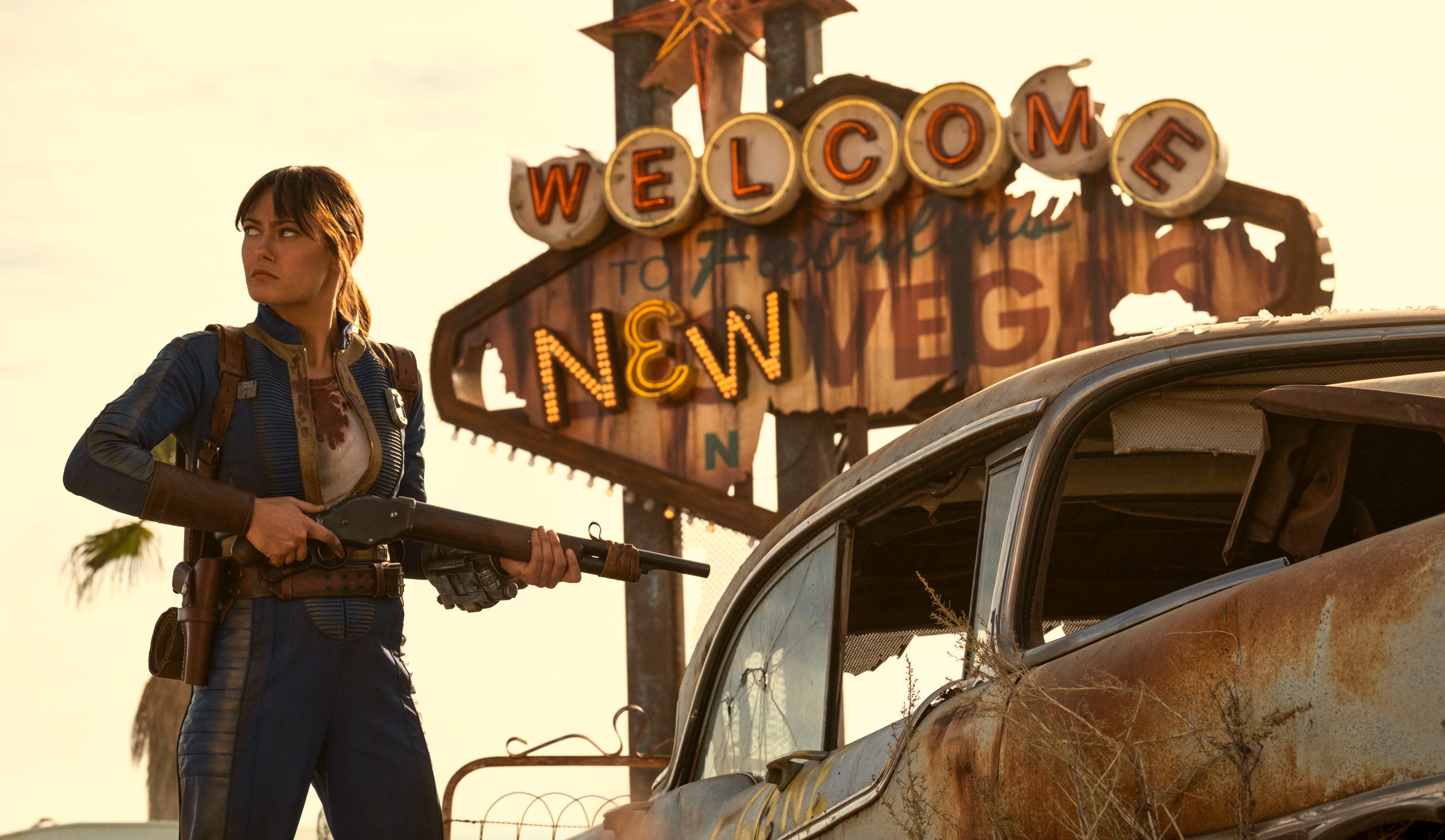
However, Howard thinks there’s a barrier with the games themselves. I told him how my wife loves the Fallout TV series, but isn’t a player of Fallout 4 or Fallout 76.
“Even if they could press a button and just play, there’s an intimidation factor, right? ‘It looks complicated,” he explains. “One of the nice things about having the Fallout TV show is there are people who just want to watch. They don’t feel this burden to go learn it. You talked about your wife, I don’t know if she plays video games… and maybe she will because she likes that world. But I bet there’s some element of intimidation still in jumping into it.
“There’s still friction for everybody in the industry to smooth out and to bring more people into gaming.”
From game developer to film maker
The Fallout TV series isn’t an adaptation of a specific game, but it is still distinctly Fallout, from the way it looks to the satirical tone. Part of that comes from Howard’s involvement, and it’s now a common occurrence that the game creators are part of these productions, whether that’s Neil Druckmann with The Last of Us or Shigeru Miyamoto with the Mario movies.
In theory, that should help the two worlds feel more authentic and compatible with one another. If a fan of the games checks out the TV show, or vice versa, they still feel like they’re within the same creative universe.
“I wanted it to feel like it’s another game entry,” Howard says. “We’re not retelling a story; we’re telling the next story after Fallout 4. That’s what I wanted to see on the screen and that’s what I thought a lot of fans would want to see.”
Today, games IP have become hot properties for the TV and movie industries. From Mario to Minecraft, Last of Us to Arcane, linear adaptation of video games are delivering blockbuster results, and it’s not slowing down. At The Game Awards last week, there were spots dedicated to the upcoming Street Fighter and Super Mario Galaxy movies.
But could there be more to this relationship?
“We have media partners and we have gaming partners, and these things are still two very distinct mediums,” Beatty says. “You’re watching a movie. You’re playing a game. These worlds are going to blur more and more. I do think that there’s ways that we can push the boundaries a little bit more. I think that there are ways that you can be captivated by an incredible story, like I’m watching a show, but there’s a moment in that series that is just so exciting that I may want to go explore a little bit more around that environment, or I may want to play that scene out.”
It sounds a bit like Trion World’s Defiance MMO from 2013, where events in the game would impact the TV series, and vice versa. It’s a concept Netflix has talked about this past year, too. But Howard’s not so sure.
“I’ve seen those types of pitches. I found it to be a little bit complicated at this stage, to be honest.”
Keeping IP alive
Of course, for Howard and his games team, there’s a more pressing concern. Bethesda Game Studios now operates three significant RPG franchises in Elder Scrolls, Fallout and Starfield, and each one has fans calling out for more. Bethesda has kept interest in its IP alive through things like remakes, mods, online games, mobile spin-offs, TV shows, ports and so on. But ultimately its full new games that the fans are calling out for. Fallout 4 came out ten years ago, while Elder Scrolls V: Skyrim is 14 years old.
“Probably the number one thing that we deal with is, how to serve all those audiences?” Howard admits. “You’re right, we have three big franchises now, and everybody wants more of it. It’s [about] picking our battles and making sure each one is special. And so even though we’ve had things come out, you mentioned Skyrim, I think it’s [just released] for the 117th time on Switch 2. There’s still a huge audience around that game, with mods and creations as well. Fallout 76 keeps going. But ultimately, it’s about those new entries.
“Elder Scroll 6 is the thing that most of the studio is working on right now. And just making sure something like that gets the time and attention it needs, particularly after all this time.”
He concludes: “We do have multiple teams. But we will bring more people onto a project when it needs it… when we have good velocity and we really know what it’s going to be.
“But that’s still the trick to find a way to keep each franchise as vibrant as it can be. And the good news with Fallout is it’s in a great spot.”
That’s it for today’s edition of The Game Business Show. Join us on Thursday for a bumper news show where we reveal the real winners of The Game Awards, we look back at the year that was, and we have a special interview with the team behind one of 2025’s most successful games machines: The NEX Playground.


