


Listen now on Apple, Spotify or YouTube
In This Edition,
Edmund McMillen and Tyler Glaiel on…
- The surprise success of Mewgenics
- State of the business
- Avoiding publishers
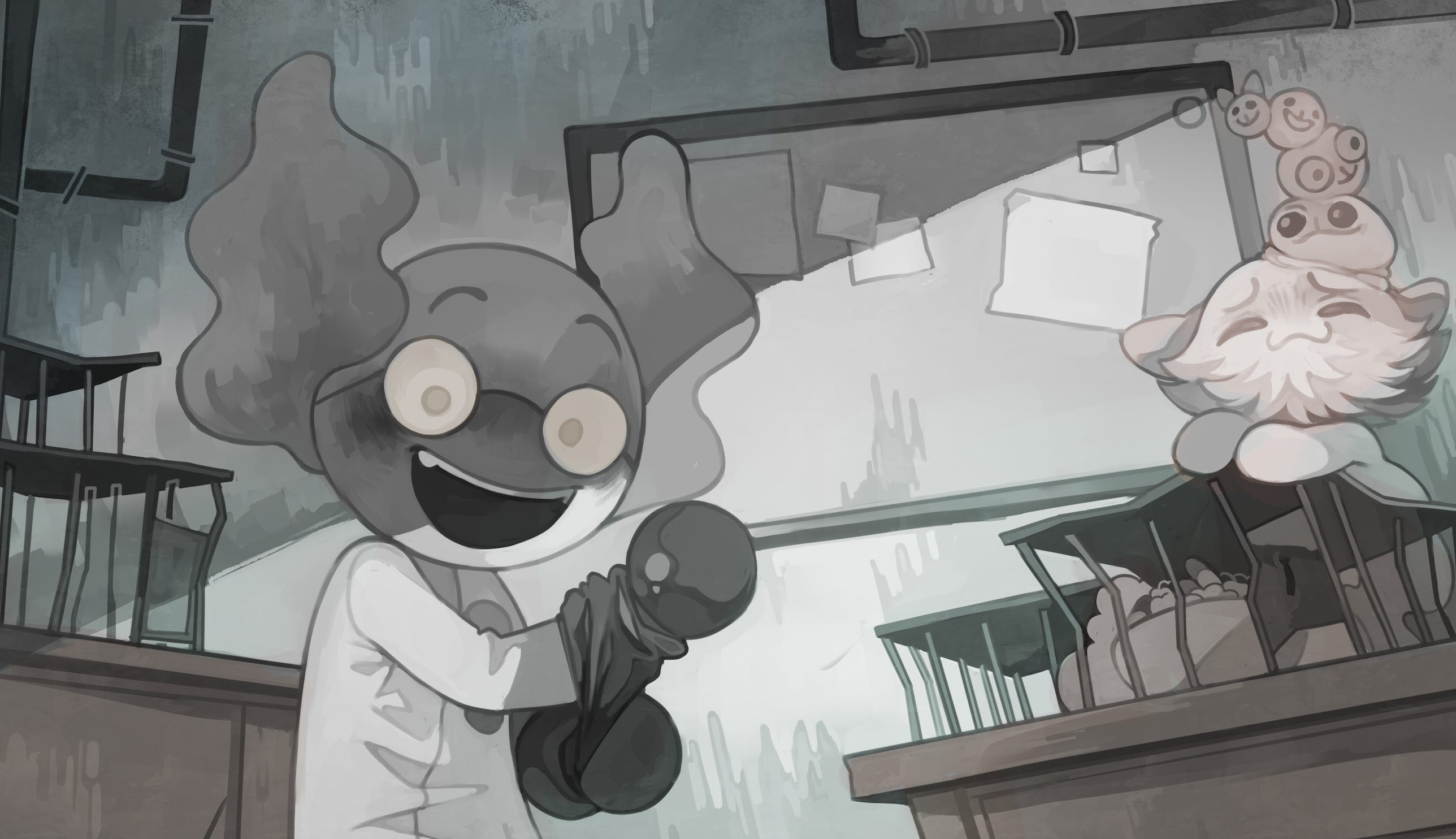
Edmund McMillen is no stranger to smash hit indie success, but even he was surprised by Mewgenics.
McMillen made a name for himself with 2010’s Super Meat Boy and 2011’s The Binding of Isaac, two iconic indie games that have sold millions of copies. But Mewgenics has been something else.
“Usually when I launch anything, I’ll go through my Discord list and ping every single person that I’ve ever talked to,” McMillen tells us. “I’ll start emailing press, I’ll do a blog post, Twitter, TikTok... Hitting all the beats to push this thing. But I woke up and I saw that there were 30,000 people playing… I was like, ‘what the fuck?’ And then just freezing. I never even updated anything. I never even did a blog post. It was moving so fast that all I could do was just stare with my mouth agape.”
Mewgenics is a cat breeding rogue-like turn-based strategy game. If those words don’t mean anything to you, don’t worry. It’s a weird, inventive indie game that took six years to make, by a team of ten people (most of which worked part-time), and sold one million copies within a week.
It initially began development after Super Meat Boy in 2010, but it was scrapped in favour of more Meat Boy. McMillen eventually obtained the rights and started again with a new partner in Tyler Glaiel. You can hear all about the game’s journey in today’s episode of The Game Business Show.
But McMillen and Glaiel are not just the creative masterminds behind Mewgenics, they’re also its publishers. Outside of some occasional porting partnerships, the two rarely work with publishers, and instead prefer to handle the business aspects themselves. And seeing as we’re The Game Business, I wanted to ask them all about that.
It was quite the discussion.
“A traditional publisher would not let us do the game at all”
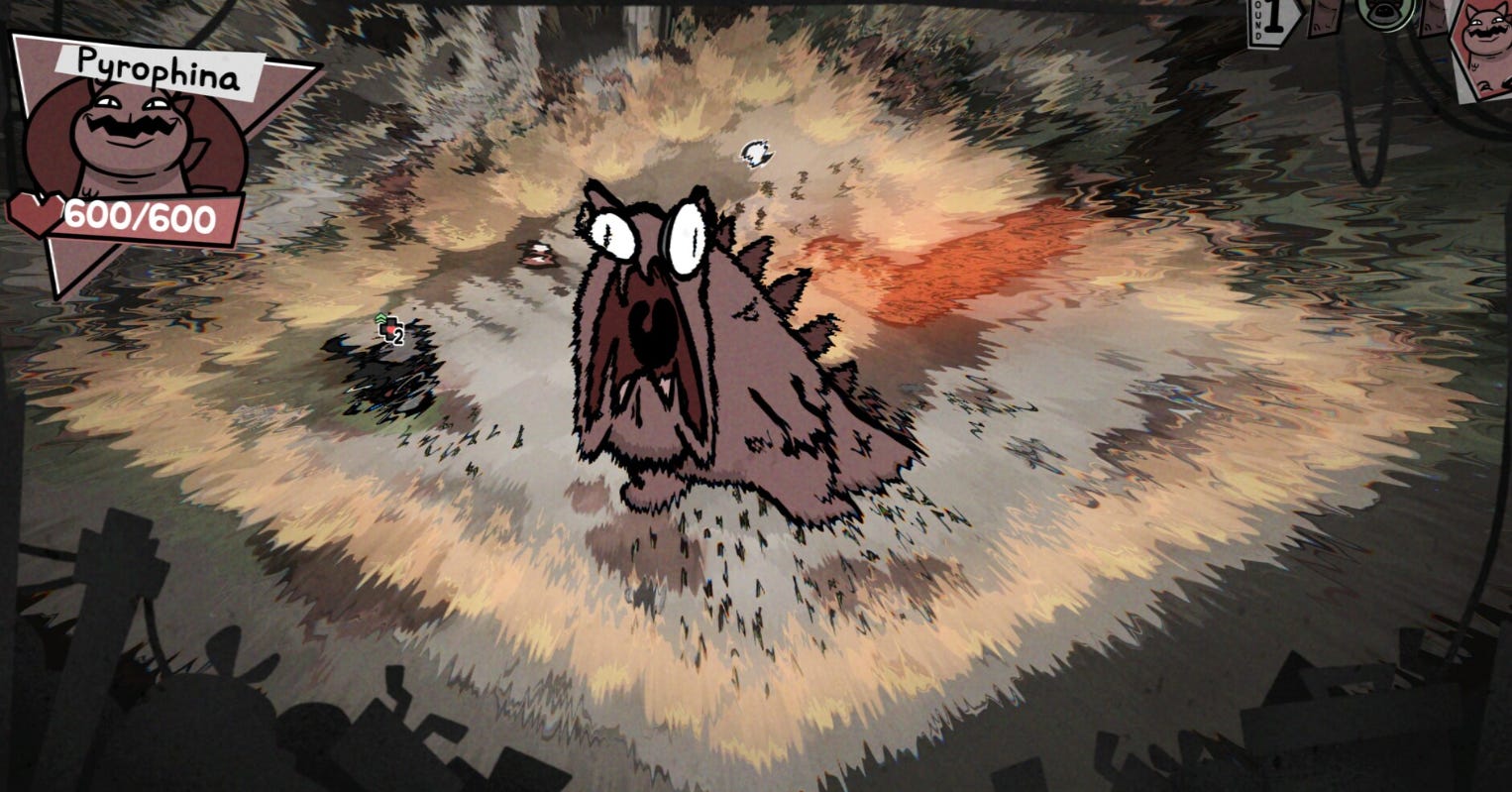
McMillen and Glaiel never considered going with a publisher for Mewgenics.
“Imagine pitching this to a publisher,” Glaiel laughs. “Imagine what we would have to remove? A traditional publisher would not let us do the game at all. And an indie publisher would be like, we’ll let you do your weird ideas, but maybe a little less poop? Maybe you don’t need to see the cats humping each other?”
McMillen says: “I didn’t work for 20 years to have somebody else tell me what I can and can’t say and do in a game. That is, for me, the most important aspect of being independent. There may be a handful of times where I said, ‘Tyler, am I taking it too far?’ And Tyler’s like, ‘nah’.
Glaiel cuts in: “There were one or two times where I’m like, we don’t need this.”
McMillen again: “I need that freedom. I’m the type of guy that when I’m boxed in, I will self-sabotage. If I don’t have the freedom to do whatever I want and somebody’s saying: maybe you should do this? I’m going to turn around and do the opposite, and do it harder. It’s just built into me.
“But also, if we don’t need a publisher, why use a publisher? They’re just going to take money.”
Back to Glaiel: “A lot of publishers want you to be successful enough that you’re happy with the publisher, but not successful enough that you don’t still need to use them on the next project. I see a lot of indie companies get in that sort of limbo where their games are successful, but because of publishers taking half the money, they still need to use them for the next project. And then they’re in this eternal pitch and pitch cycle that is inherently tied to the economy. Because when the money stops, they’re like: we can’t make games anymore because we need the publisher money.”
“An indie publisher would be like, we’ll let you do your weird ideas, but maybe a little less poop? Maybe you don’t need to see the cats humping each other?”
McMillen and Glaiel are their own PR machine. They both have audiences built up over decades of making games and they have a list of media contacts. It is a lot of work doing press and running streams, but even if they had a publisher, this work would still fall on them.
“Our whole marketing strategy is very personable,” Glaiel says. “It’s us doing a thousand interviews. We’d still have to do that if there was a publisher.”
McMillen adds: “It would have been: you sell the game. Is someone else from a company going to sell it? Me and Tyler know the game and are more excited about it than anybody on Earth.
“I think most people have an innate sense of when they’re being lied to, even if they don’t know it. I can tell this person is genuinely excited about this and enjoys it versus not. And I saw an overwhelming number of comments, almost every interview that I did, where people would say: Edmund seems really excited about this and that makes me excited. When you genuinely love something, you can’t help but talk about it in a positive way, and it’s going to make other people excited about it, too”
Advertisement

Lessons from Super Meat Boy
McMillen’s scepticism around publishers goes back to that first breakthrough hit, Super Meat Boy.
“I had to deal with the good and the bad of business. We had our producer, Kevin, and he was amazing and he believed in us. He was very honest. What [Xbox] would do, they’d take the current version of the game and shop it to the biz people. And the biz people would come back and make numbers up. Just make shit up. They would come back and say: 2D is out, people don’t like difficult games, we project this game will sell this much lower than this other game.
“Kevin is the guy who also did Braid, Castle Crashers… the dude knew his shit. He’d tell us: I believe in this, but just so you know, this is what I’m up against. It’s a bunch of suits who are trying to project the future.”
Super Meat Boy was to be part of an Xbox promotion called The Game Feast. Multiple indie games were launching within this, and Super Meat Boy was to be the final one.
“The first game failed,” recalled McMillen. “Second game failed. The third failed. And the whole time we’re getting projected lower than all these games. They got so scared by it that they cut the Feast, they cut the promotion. It just disappeared. We launched with no promotion at all.
“I got in an argument with the head dude. I yelled: ‘Listen, this is my fucking life. Let us have the promotion.’ We got nothing. The game came out and did fucking amazing. The reviews were great. It sold ten times what all these other games sold. And then that guy was gone.”
McMillen said he later saw he’d gone to a different studio, and had the audacity to list Super Meat Boy as a game he helped spearhead.
“He never believed in the title,” he says. “But that’s business. Business is based off of a lot of scams, lies and manipulation. And that’s just the way business is. Whenever I say this online, a publisher will be like: but we care. And that’s why you’ll fail, because in order to succeed with business people, you have to be cunning and not care.”
It sounds cynical, but McMillen admits that there’s a ying and yang to the business and creative sides of video games.
“In order to be creative, you need to push away from business and you need to think abstractly. And feel. There’s a lot of feeling going on with this. And the other one’s a lot of thinking. It’s a necessary evil at times.
“When you’re making the deal with the devil, you want to make the littlest sacrifice. A pound of flesh is fine, but you don’t want to unload everything. Because then what do you have? You’re this skeletal husk.”
PR energy
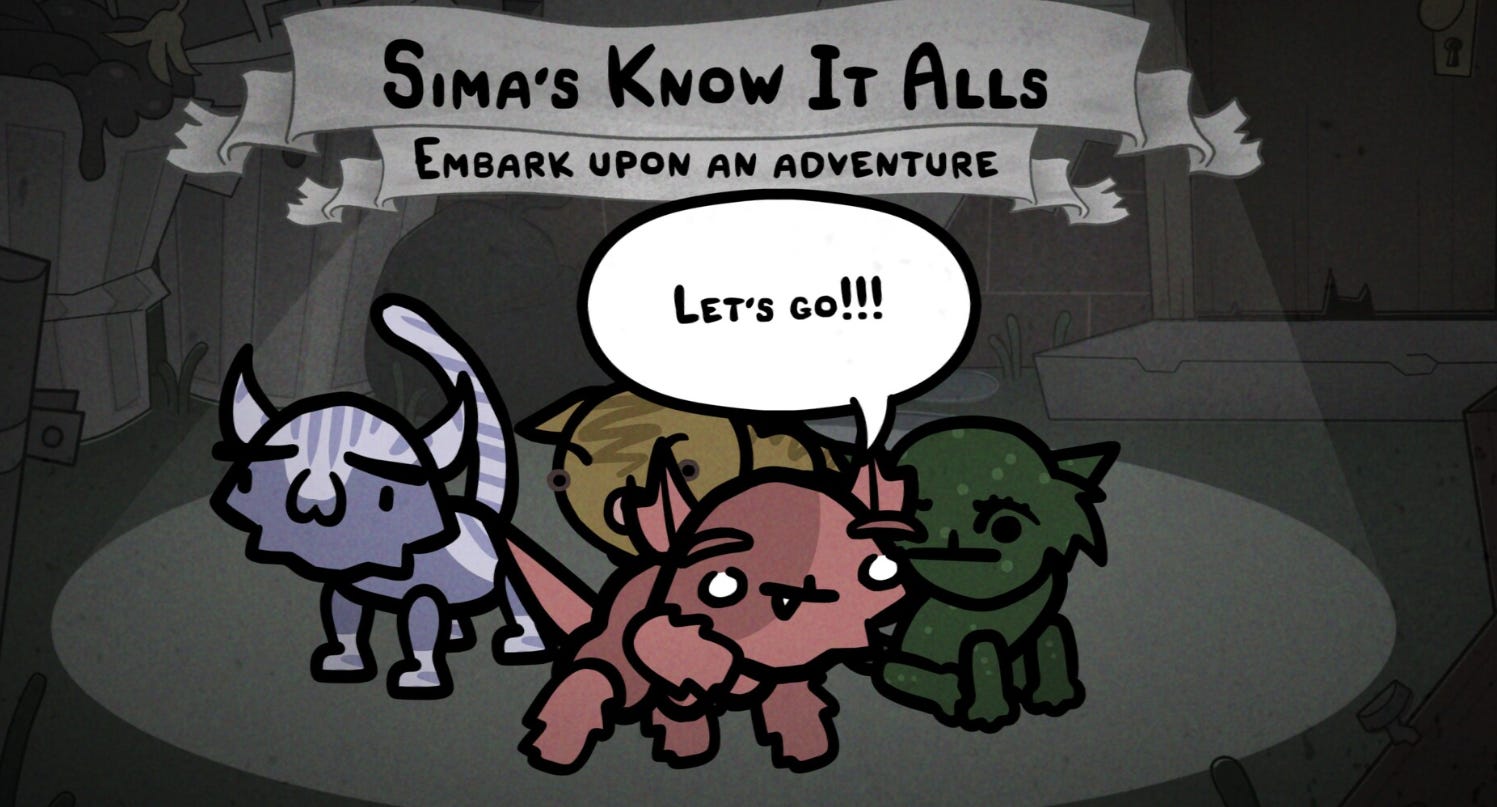
Handling the business side does pose challenges, particularly when it comes to navigating the number of pitches from those eager to work with them. In the past they could spot a form email a mile off, but ChatGPT has made that harder. McMillen recalls a time when he got drawn into a pitch about an animated version of The Binding of Isaac.
“I could see that this person had actually published stuff that was in the vein of my sense of humor,” McMillen recalls. “So, I entertained it once, but the person had no fucking clue what The Binding of Isaac was. He called it The Blinding of Isaac. And this guy was just pitching his own ideas. And I’m like, what the fuck? How did I not see this? I entertained this for two months and almost started a pilot with this person.”
The business and publishing side also requires an energy that might not be there at the climax of a game’s development. McMillen and Glaiel’s last project was 2017’s The End Is Nigh, and McMillen felt he let the side down when it came to promotion.
“It’s a very good game. But at the time, I wasn’t feeling like I wanted to talk about it,” he admits. “I did not want to do the legwork. I just wanted the game to come out and it to be done. And it hurt the release of that game.
“With Mewgenics, I’m like: I will not do that again. I will do everything in my power to make sure that people see this game. Because not only do I believe in it, but I also don’t want to do a disservice again to a game that I’m working on with Tyler. So, I did everything as strategic as I could without making sacrifices to integrity. I never lied about anything. I was always genuinely excited about everything.”
“I was very against the idea of working with a PR agency.”
Indeed, for Mewgenics, McMillen and Glaiel even did something new and got some professional help.
“At the tail end of development, we got approached by a PR agency called Guillotine,” McMillen says.
“I don’t know how many PR agencies email us at the end of development promising the world, and me just being… I’m not going to pay anyone to stream this game. Period. If all you’re going to do is put ads up on Reddit, I can do that myself.
“But these guys approached. I skimmed the email. Didn’t really read it. But I recognized one name, Eduardo, who I worked with on Humble Bundle stuff. He gave me pause and then I responded with: This is what I need. I have reach in the United States and a little in the UK. I have no reach outside of this. From what I see numbers wise with Binding of Isaac, there’s a great deal of people overseas who really like my games, can you help?
“And they said: of course. And did. They got us reviewed in all these non-English speaking countries, which gave us great reviews. A lot of non-English speaking streamers that they just sent codes to. We never paid anyone to play the game. It helped immensely. That’s not something that I’d ever done before. I was very against the idea of working with a PR agency. But something about me just shooting straight and saying: listen, I’m not going to do this, this and this. This is what I need. Can you help? And then they did it. That was a great interaction.”
You can check out our full extended interview with Glaiel and McMillen above.
That’s it for today’s The Game Business. We’ll be back on Thursday as we dive into some of the latest market statistics. Thank you for reading!


