


Listen now on Apple, Spotify or YouTube
In This Edition,
EA’s Laura Miele on…
Lessons from Command & Conquer
How single-player games fit EA’s vision
The story of Skate
The Battlefield 6 launch, and more
At E3 2018, Electronic Arts announced its first Command & Conquer game in six years.
“There was a team at EA that wanted to create this really cool competitive Command & Conquer mobile game,” recalled EA Enterprise president Laura Miele, who was speaking to us on stage at The Game Business Live earlier this month. Miele began her video game career at Westwood Studios, the original creators of Command & Conquer.
“It was called Command & Conquer Rivals. I thought, ‘Oh gosh, what a great way to bring Command & Conquer to even more people. Given the reach of this platform. This is going to be really great.’ I was pretty excited about it. However, our long-term core fans were not. And they thought, ‘Oh my gosh, you’re taking Command & Conquer, you’re putting it to mobile, and you’re not remastering, or taking care of something.’”
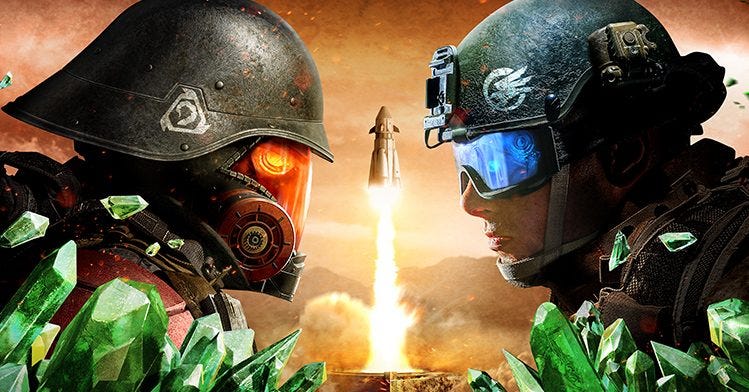
The lesson for EA is that if you are doing something with an IP that might be outside the bounds of what fans want, you have to make sure you’re doing something for them, too.
“It was just such a valuable moment for me,” Miele added. “We didn’t really have permission to stray too far from what that core PC experience was. So, we immediately gathered together some of my friends who had left. Westwood wasn’t around anymore, but they had gathered together as a studio [Petroglyph Games], and I asked them to work on a remaster for us. So, we brought it back to life in a more contemporary way. Even since then, we’ve released open-source code for players to engage in. And then we put the mobile game out.”
“[Fans] have ownership over this. Players walk through our worlds and live our stories, and they become our characters, it’s so personal, and no other medium on the planet has that.”
“We didn’t have permission to stray too far from what that core PC experience was”
This is why when Battlefield 6 launched, it was primarily the core Battlefield experience that fans know, and the free-to-play battle royale spin-off Battlefield REDSEC arrived later. The Command & Conquer story also influenced the company’s approach to the new free-to-play Skate.
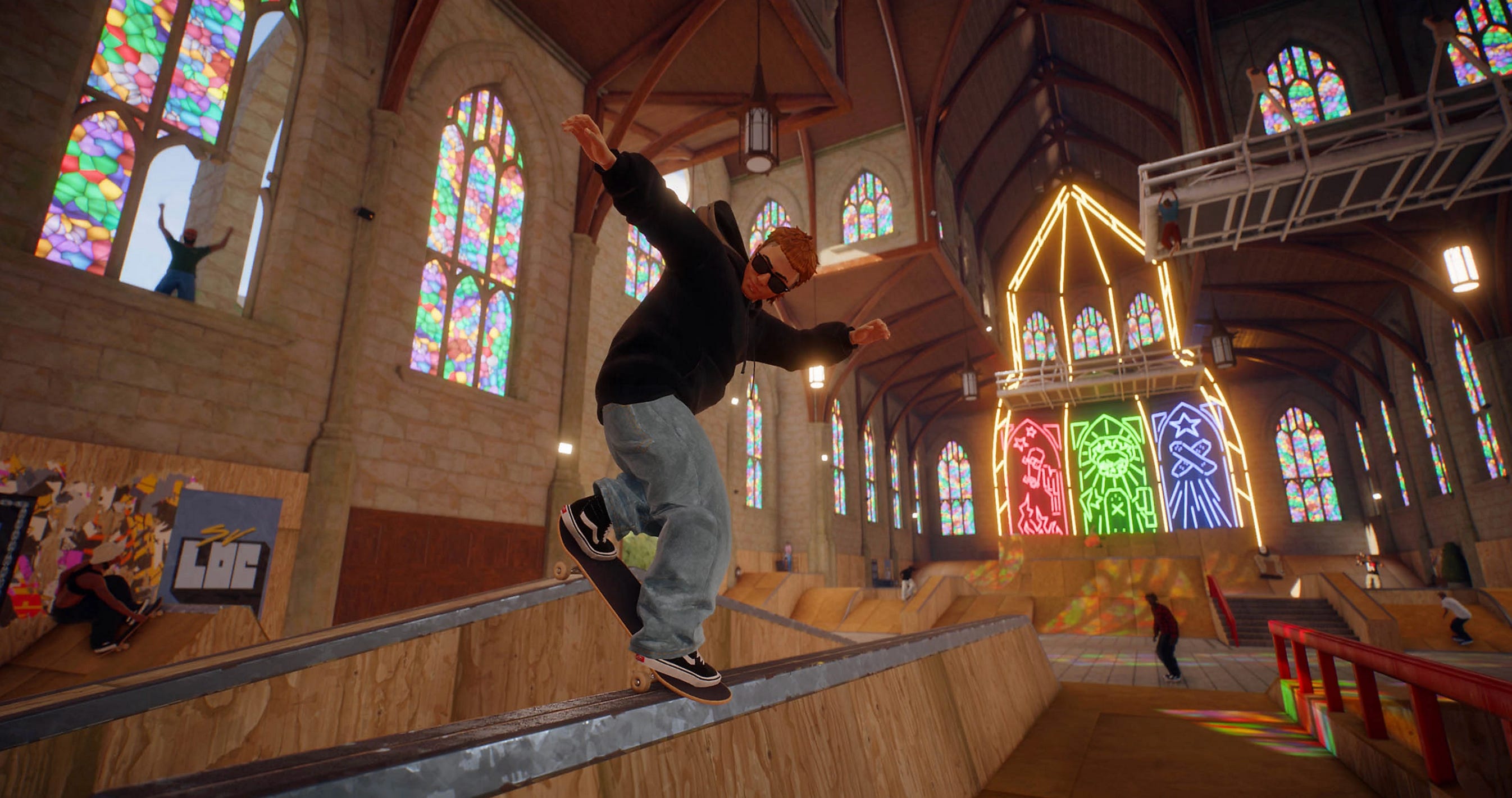
“We had to make sure we delivered the core Skate mechanic, the cool tricks and the authenticity of being on the board,” Miele said. “That culture is so important. We couldn’t stray from it or we wouldn’t have permission to do something more expansive or broader. We had to nail that, and then we were allowed, in partnership with our players, to expand beyond that.”
Miele was speaking as part of The Game Business Live during Summer Game Fest earlier this month. You can watch the full interview above. Or read some of the key stories from the conversation below.
How one influencer led to the return of Skate, EA College Football and Dead Space
“Back in 2018, I took over the responsibility of running studios for EA,” Miele began. “It was a pretty big gig.
“Going into E3 that year, I asked our PR team to help me gather some creators and influencers around gaming, so I could talk to them. I always felt like, if we can just stay connected to our players, they’ll be our north, and we won’t stray too far from where we need to go.
“So, we had gathered together about 15 people, and I just remember it so vividly sitting in the conference room. And I said, ‘Okay. I’m the new head of studios for Electronic Arts. What do I need to know? What do you want me to hear?’ And people are going around the room talking about their favorite franchises and games. And this guy was sitting in a corner, and he raised his hand and just said, ‘I just don’t understand why you don’t make games that your fans are asking for?’
“And I looked at him and he said, “We’ve been asking for Skate, we’ve been asking for [EA Sports] College {Football], we’ve been asking for Dead Space.” It just resonated with me so much. We immediately green lit College and Skate and Dead Space.”
Single-player games do fit with EA’s community vision
EA’s leadership loves to talk about the future. The company will talk about a community-focus and building out creator ecosystems and economies. And when you look at its franchises like EA Sports FC, or Battlefield, or Apex Legends, or The Sims, you can see how they all fit within that vision.
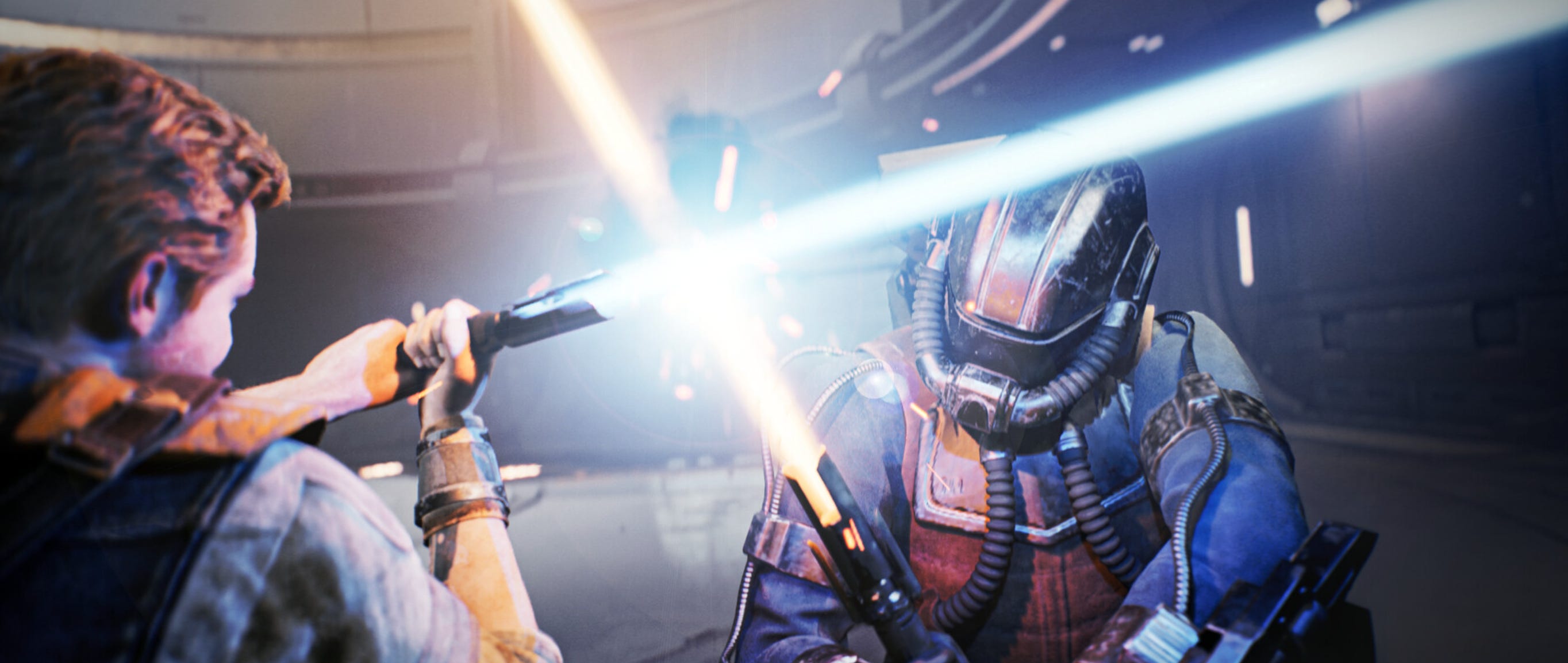
But what about Mass Effect? Or Star Wars Jedi? What about those single-player, story experiences where community, expression and creator economies are not so obvious?
“Maybe not directly obvious, but there’s a lot of culture and social connection that’s created around art and entertainment,” Miele responded. “You can go online and share fan art, speculate about the story, the characters.”
“I started in the industry 30 years ago at Westwood Studios. One of my first roles was to run Westwood Online, and it was such a gift to start my career. We had close to, wait for it, a million players. And we thought we were hot stuff. It was a pretty sizable group. And the reason why it was so valuable and so important, is because I quickly learned that players have the perception that the games we create are as much theirs as it is [ours]. When you understand that, you can create a sense of community around many experiences, whether it’s a multiplayer competitive experience or beautiful stories and characters and lands, where people can share what their experience was. You have to fundamentally understand the dynamics of community and how people come together and socialize. It is something we prioritize.”
Why Vince Zampella asleep on a conference table exemplified the development of Battlefield 6
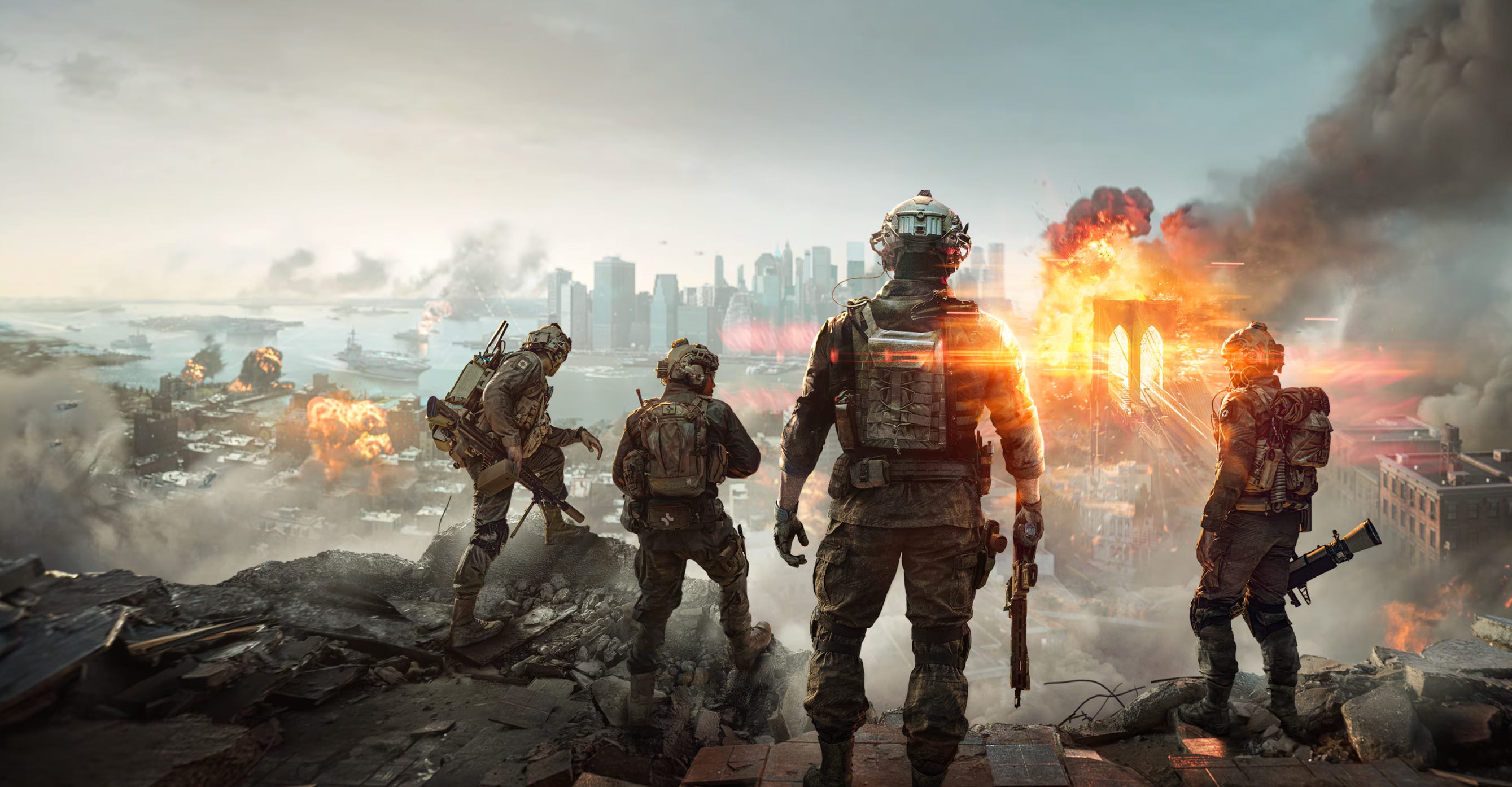
Battlefield 6 was a monster project. A huge array of different modes, and built across multiple studios, including DICE, Motive, Criterion and Ripple Effect. It delivered huge success at launch last year and was the best-selling shooter franchise of 2025, ending the reign of Call of Duty.
Since then, the numbers have fallen, but it still attracts millions of monthly players. And Miele says a combination of “unblinking ambition”, fan engagement and strong leadership (including the late shooter veteran Vince Zampella), was behind the game’s blockbuster launch.
“This is a team of elites, and they are best in the world at creating a big shooter game like this,” she explained.
“We all were heading out to Stockholm. This was a couple of years ago. And we were going through the production and check on the execution, game design, player feedback… we were just going to have a big meeting. We’re in the office at DICE, and it was a full day, and we were just going through schedules and looking at the graphics, and everybody was getting really excited. We were supposed to go to dinner that night, but we ended up cancelling it, and we had food brought in so everybody could play builds of the game, because we were pretty giddy.
“It was a little after ten. I was going to go back to the hotel, and I go up to the conference room to grab my bag, and Vince Zampella was asleep on the conference room table. And when I think about the visual image of the passion, how hard people worked, and how excited they were to bring something to life, I just think of Vince being there. We were there all-day playing games, checking in on the teams, spending time with teams, and he was taking a nap on the conference room table.”
Advertisement

Miele expects movie and TV studios to work closer together
As we all know, video games are now a major source of content for film and television companies. From Mario, Fallout and Street Fighter to The Last of Us, Minecraft and Sonic, video game IP is proving immensely valuable to Hollywood.
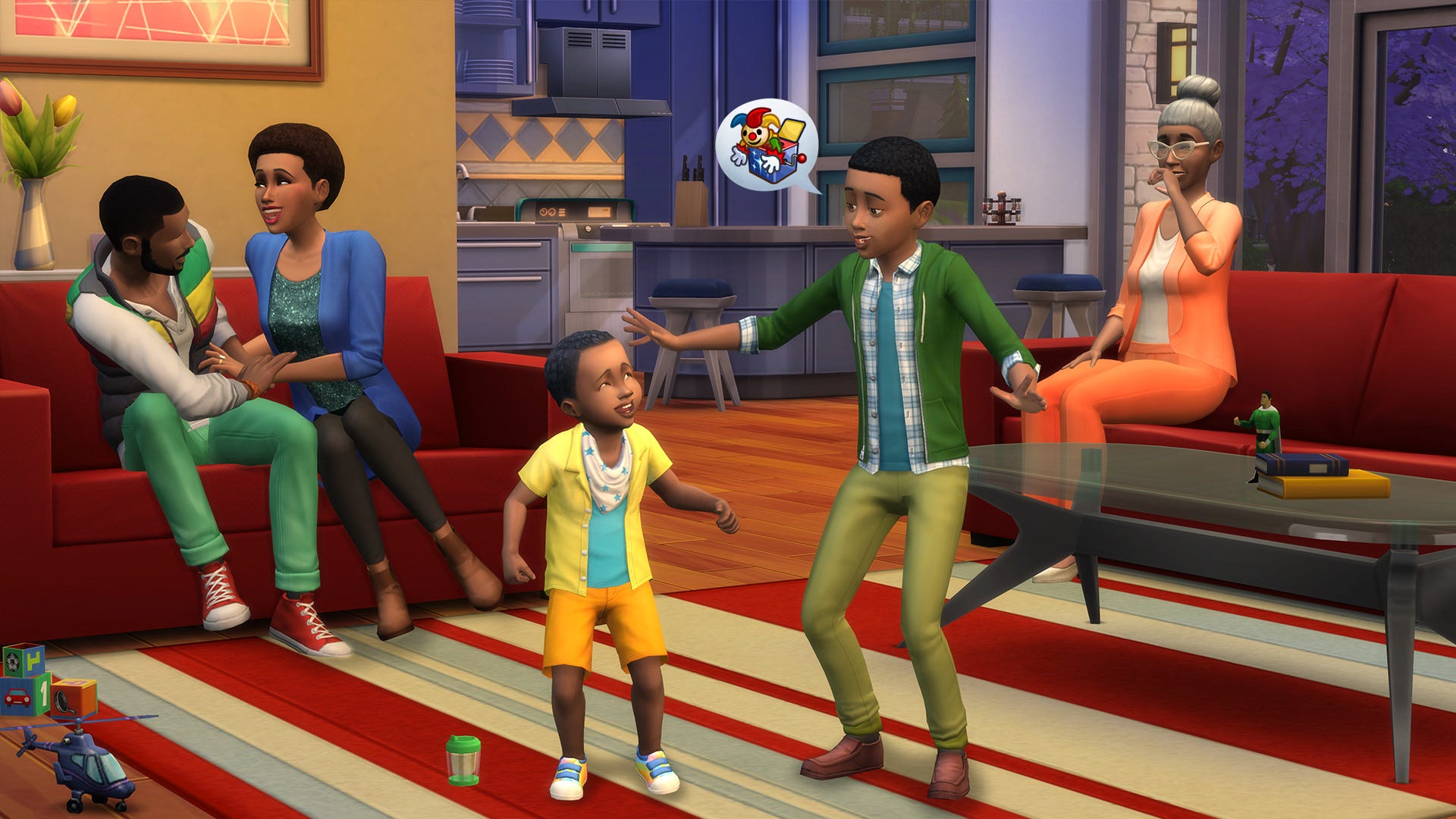
EA is set to get in on the action, with a movie based on The Sims (by Margot Robbie’s production company), plus reports of a new Battlefield movie (“Wouldn’t that be fun? I’ve heard those rumors, too,” said Miele).
And Miele felt that we’re not yet at the peak of this relationship between the entertainment mediums.
“I’m hopeful that we’re entering into a phase where it goes beyond the bounds of a [licensing arrangement] where we just exchange stories and characters,” Miele said.
“I would love to see us co-create content together. I would love to see us have moments and events where it’s a vertical release of a movie and a game experience and a live service.
“All roads have led to today, and I do believe that we can create content together, to have players interact in linear and have it show up in their online experience. Plus, they can go see competition around it or go experience it in a theme park. We’re in this place where those things can come together more simultaneously. It has felt a little disconnected or disjointed in some cases where a game license is used, a movie or TV series come out, but there’s nothing really going on in the game. We’re in a new place.”
“Our best days are ahead of us”
During our conversation with Miele, we talked about the future. For all the buzz of Summer Game Fest, there continues to be waves of redundancies, studio closures and project cancellations. These things have been going on within EA, too.
But despite that backdrop, Miele remains optimistic about where things are headed.
“There are over 100 million new gamers born every year,” she concluded. “That’s pretty amazing. And then the geographic reach is fascinating for growth.
“As Matthew Ball said earlier, there’s just more people playing on more platforms and more places than ever before. And we’re just getting started. We’re not done. Our best days and best years of gaming are ahead of us still. And it’s because of this social, emotional, human, creative expression, competition connection, that exists in our medium.”
That’s it for today. Join us on Thursday where our guest is Power Play author and video game political journalist George Osborne. Until then, thank you for reading.


