


Listen now on Apple, Spotify or YouTube
In This Edition, Geoff Keighley on
- The challenge of The Game Awards
- Reaching more players
- Tackling industry turmoil
- Game announcements
Hello!
This week is our The Game Awards special, featuring TGA host, executive producer and CEO Geoff Keighley (who, yes, also happens to be the co-founder of The Game Business).
In this edition, Geoff discusses what goes into building the Awards, reaching an even wider audience, the changing way games are announced, and much more.
Enjoy!
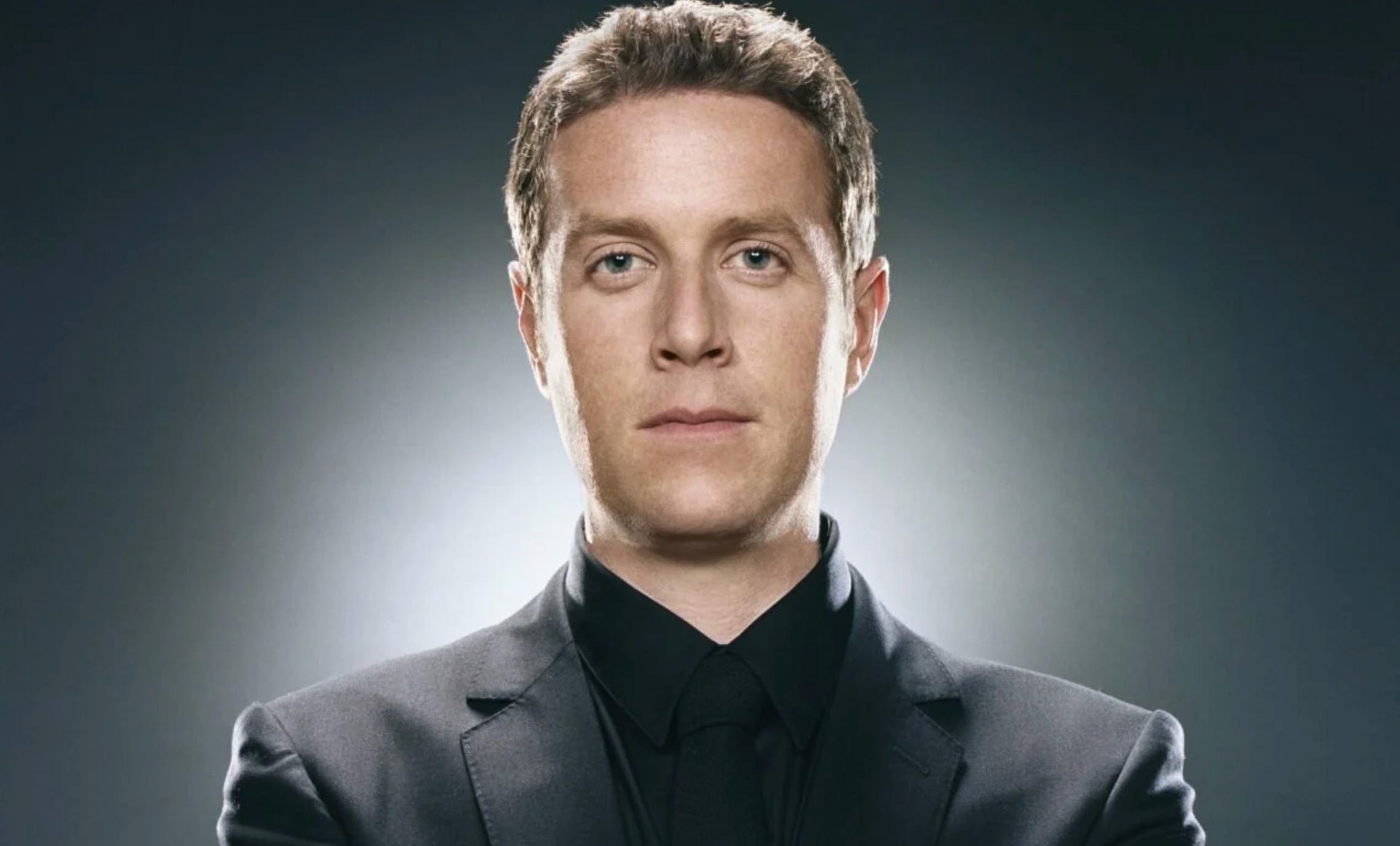
In my experience, there is no harder event to run than an awards.
For one, they’re the only events where most people are guaranteed to leave disappointed. You’re not getting a good net promoter score from an awards.
And second, everyone has an opinion on them. How they’re judged, how long they are, what the categories are, how they’re hosted, whether there should be speeches or not… and those opinions are often contradictory.
I’ve worked on around 70 small(ish) industry awards, and keeping everyone satisfied is a constant battle. So, I can only imagine what it must be like running The Game Awards, with its 154 million livestreams and in-person audience of industry luminaries.
Of course, The Game Awards isn’t just an awards. It’s more like a cross between The Oscars and Comic-Con, where awards are mixed in with game announcements and live music. As a result, there are those that want more awards and fewer trailers, and those that want more trailers and fewer awards.
“There are many different constituents that tune in,” says host, executive producer and CEO of The Game Awards Geoff Keighley. “And it is a balancing act. You correctly pointed out that there’s the awards aspect of the show, there’s the announcement aspect, and yes, there are some people that would like to see the show be all awards. Some would like to see all announcements.
“My view always is that the announcements create a very wide audience that tunes into the show. And because of that, when we do give out these awards, they’re seen by a lot of people. Lots of games get sold out of The Game Awards. Balatro had a huge boost. So hopefully it’s a good thing for developers. But that careful balance is a hard thing to strike and we don’t always get it right.”
He continues: “Every year is different. So, it’s very hard to predict what the reaction will be. We wake up the next morning and we see how people feel about it. Last year people generally liked the show, the year before people didn’t. And we’re going to show up every year and keep building it with the industry. And if people don’t like something, we come back and try and do it better.”
Keighley keeps returning to the point that ‘every year is different’, and it relates to every element of the show. I spoke to an independent publisher last month who called for more transparency on how he can get a game into the Awards. But there is no playbook to follow. If you’re making a game similar to another in the event, then you might not get in, whereas the year before it might have.
“We look at different genres, and we think about the global nature of game development,” Keighley explains. “I’m not saying that we do it perfectly. [But] we realize the responsibility we play, and it’s always heartbreaking when we say we can’t fit in certain games.
“They’re things that we proactively go out and ask for, because we assume they’re happening, or they’re teams that have done great things before. But what we love is discovering new teams and projects that no-one knows about yet. Dispatch was a great example last year. They told a bit of their story, but they were not sure what they were going to do with the game. I saw it and I said, ‘we believe in this. Let’s put this on our stage.’ And it turned out awesome.”
“I didn’t think much about [Clair Obscur] when it first got announced, and now it’s the most nominated game in The Game Awards history”
When a game breaks out, like a Helldivers 2, or a Dispatch, or a Clair Obscur, it’s interesting to trace back to where it first appeared. Sometimes it’s a world premiere at The Game Awards, but not always.
“I didn’t think much about [Clair Obscur] when it first got announced, and now it’s the most nominated game in The Game Awards history,” Keighley points out. “We don’t always bat 1,000, but there’s a lot of time spent looking at projects.”
He adds: “When it comes to the traditional PR cycle for games, there is no playbook anymore. There are so many different paths to success. We can be an ingredient in that for some, but for a lot of other games, they can go direct to consumer to build attention and anticipation.
“What’s great about the industry right now is that there are many different paths. We have a bunch of events. We have The Game Awards, but there’s also Day of the Devs the day before, there’s Wholesome Snack, there’s a bunch of other events happening during the week. And hopefully altogether people will discover the games.”
Keighley tells us that people have even asked him for another announcement event during Q1, to plug the gap between The Game Awards and Summer Game Fest.
“Honestly, we have enough of them right now and I think it’s good for us to take a bit of a break,” he says. “I used to do a weekly show on television a decade ago. And we were doing things every week for people. And I think there’s something magical that we do go away, and then when we come back, it’s going to be a grouping of a ton of stuff.”
Breaking The Top Five
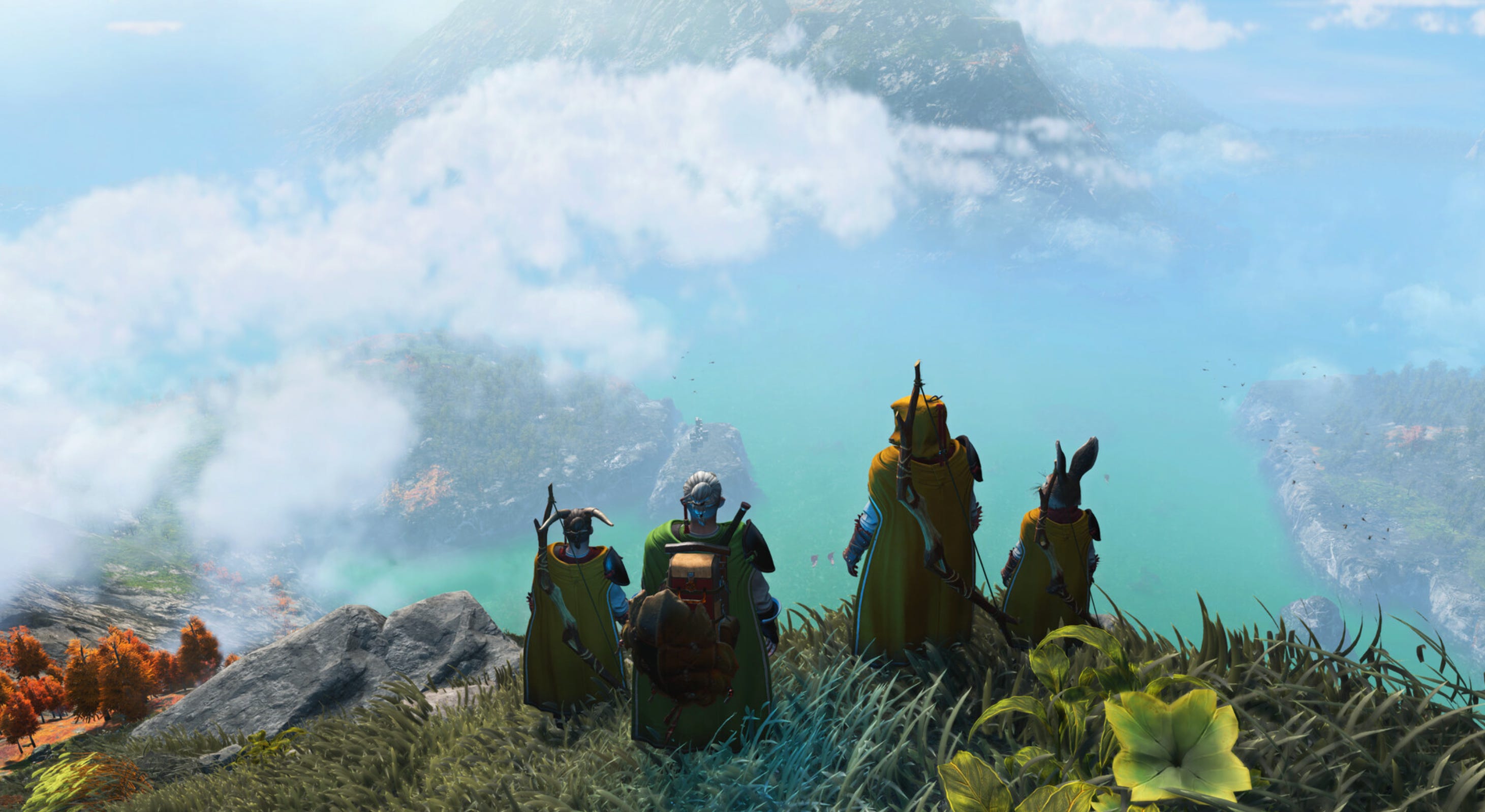
The Game Awards, plus its sister events Summer Game Fest and Gamescom Opening Night Live, have never been more popular. These are the three biggest multiplatform shows of the year, and in an era where multiplatform is the focus for a lot of companies (including Xbox and PlayStation), these showcases have become increasingly relevant.
That makes getting in them difficult, but once you are in, there’s the added challenge of standing out.
“People naturally want to be one of the top three or five announcements,” Keighley says. “So that’s something we talk with teams about, what’s the right way to show up? We talk about showing gameplay, not just CG stuff. We talk about how you can do something that’s buzzy and unique. It’s a busy show and there are lots of games.
“It’s always fascinating to me because when you look at the wishlists coming out of the show… consumers don’t just wishlist one game, they wishlist 10 or 15. It’s not a case of winner takes all. But, certainly, some marketing people… you got to win, right? Which trailer had the most views? What was the sentiment analysis? Number of articles? You’re in the business media, lots of people do these ‘tail of the tapes’ of what the top three trailers of The Games Awards are. And again, it’s massive franchises that are big. But I remember a couple of years ago, we did Light No Fire and that blew up on YouTube. That was obviously Hello Games, but no one probably predicted that was going to be one of the biggest trailers of that year’s awards.
“You wouldn’t believe how many conversations we have with people about where they will be in the show and all that stuff. And that just comes from people caring about how they’re represented.”
Tackling turmoil
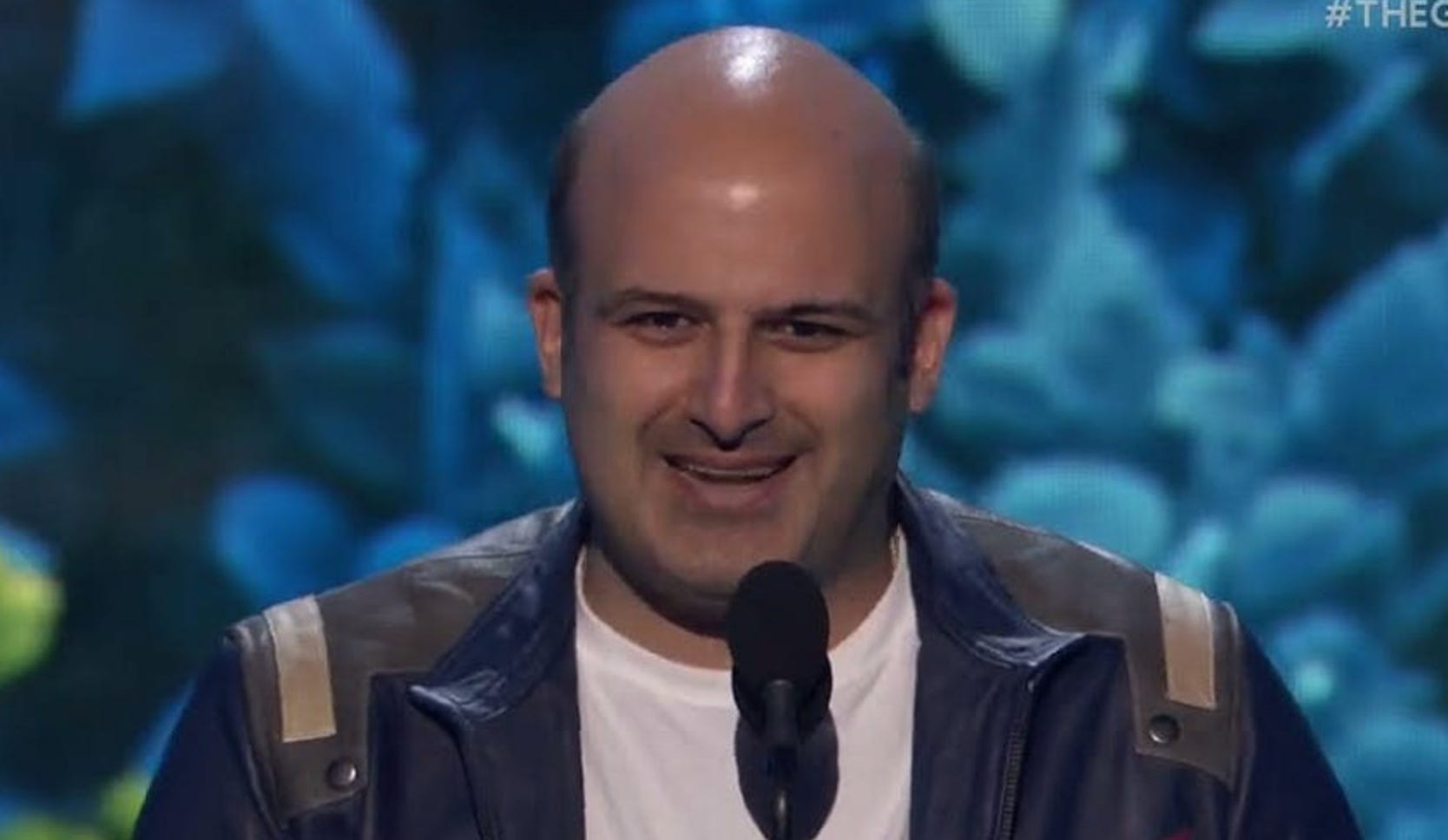
The other thing that is ‘different’ every year is what’s going-on in the wider industry. The Game Awards has been criticised in the past for not acknowledging controversies or turmoil in the business. It’s a tough line to walk. TGAs is designed to be a celebration of the past year, and a peek into what’s next. But it’s also the industry’s biggest annual platform, and there’s an expectation that it should be acknowledging some of these issues.
Last year, in an effort to do just that, The Game Awards introduced the Game Changer prize, and awarded it to Amir Satvat, who had built a free network to help people who had been laid off in the industry. It shone a light on the mass redundancies that have rocked the business over the past three years.
“It’s a very difficult needle to thread, because as you said, on one level, it is a celebration of the industry,” Keighley begins. “But the games are made by incredible developers, and it’s been a challenging period overall. I don’t have all the answers about the right way to [address it].
“We do feel the weight on our shoulders, because we have this platform. But also, we are mindful that a lot of people do tune in because they want to celebrate games and see new ones. How we square that is something that we think a lot about. Some people online think that we’re oblivious to it. We’re definitely thinking about the right way to represent the industry to the wider world. Do we always get it right? No. It’s a very complex situation to figure out exactly what to do.”
The 2025 show

Last year’s The Game Awards celebrated its tenth year, and it was a strong one. It featured famous faces, from Harrison Ford to Snoop Dogg, and major reveals from the likes of Naughty Dog, CD Projekt, FromSoftware, Capcom and developer Fumito Ueda.
Keighley won’t be drawn on what to expect this year, however there are a few new ways to watch the event. The team has signed a partnership with Amazon Prime, and there are new international partners in markets like India, too. Could this TGAs beat last year’s 154 million livestreams?
“We don’t really think about that, because I don’t know how you wrap your head around that,” he says. “We don’t say our goal is 5% growth, and here are our tactics. I said to our team for many years, I’m sure there will be a year when the numbers go down or stay flat. We had this big bump in COVID where it almost doubled. We thought we would go down post-COVID, but it just kept growing.
“We’ve benefited from a lot of the international stuff that we’re doing. We’re adding more distribution, so that naturally helps the numbers increase. But… if the number is down slightly, as long as we made a show that we’re proud of and the industry thinks was good, that’s much more important. We’re not promising people a certain number. We’re just going to do the show that we do, and hopefully the audience shows up. That’s worked well for us for 10 years.”
“We had this big bump in COVID where it almost doubled. We thought we would go down post-COVID, but it just kept growing”
One other thing that is a little different this year comes in the form of the nominees.
This is a year where the big AAA giants are sharing the limelight with smaller independently-made projects, headlined by Clair Obscur: Expedition 33 and its record-breaking 12 nominations. It’s a situation that’s true of the awards and the sales charts.
”People probably expected Donkey Kong would be pretty good and that Kojima would do a good game with Death Stranding… But Clair Obscur, I think, was out of nowhere,” Keighley observes. “It was Sandfall’s debut game. I know many of them worked at Ubisoft and other things before, but as a studio, it was their first game. It was exceptional and it’s had so much momentum from the fanbase.
“The macro trend of a lot of independent games being up for Game of the Year is emblematic of the state of the industry and I’m excited about that.”
Excited maybe, but there are nerves, too. Keighley says part of the “magic” of The Game Awards is that it’s a live event, and that can be unpredictable.
“That’s one thing we’re very passionate about with all of our shows, which is having a live audience, and the magic of a big room with thousands of people reacting to the trailers. You were in the room last year. It’s pretty fun, and that’s something I miss, honestly, having those big gatherings fans and the industry together for some of those moments.”
Keighley concludes: “We feel the weight of what we’re doing. It’s hard for us to find the right balance between all these things and constituents. We just try and lead in a way of what we think is going to be the best approach. There’s a nervousness always, because you plan all year for these two or three hours. It can go amazingly great or maybe something will be unexpected and not what we want to see. It’s a rollercoaster. But we’re pretty excited about what we’re going to bring to people.”
That’s it for today. Join us later in the week for more big interviews from Los Angeles. Until then, thank you for reading.


