


The story of Rebel Wolves has been surprisingly drama free.
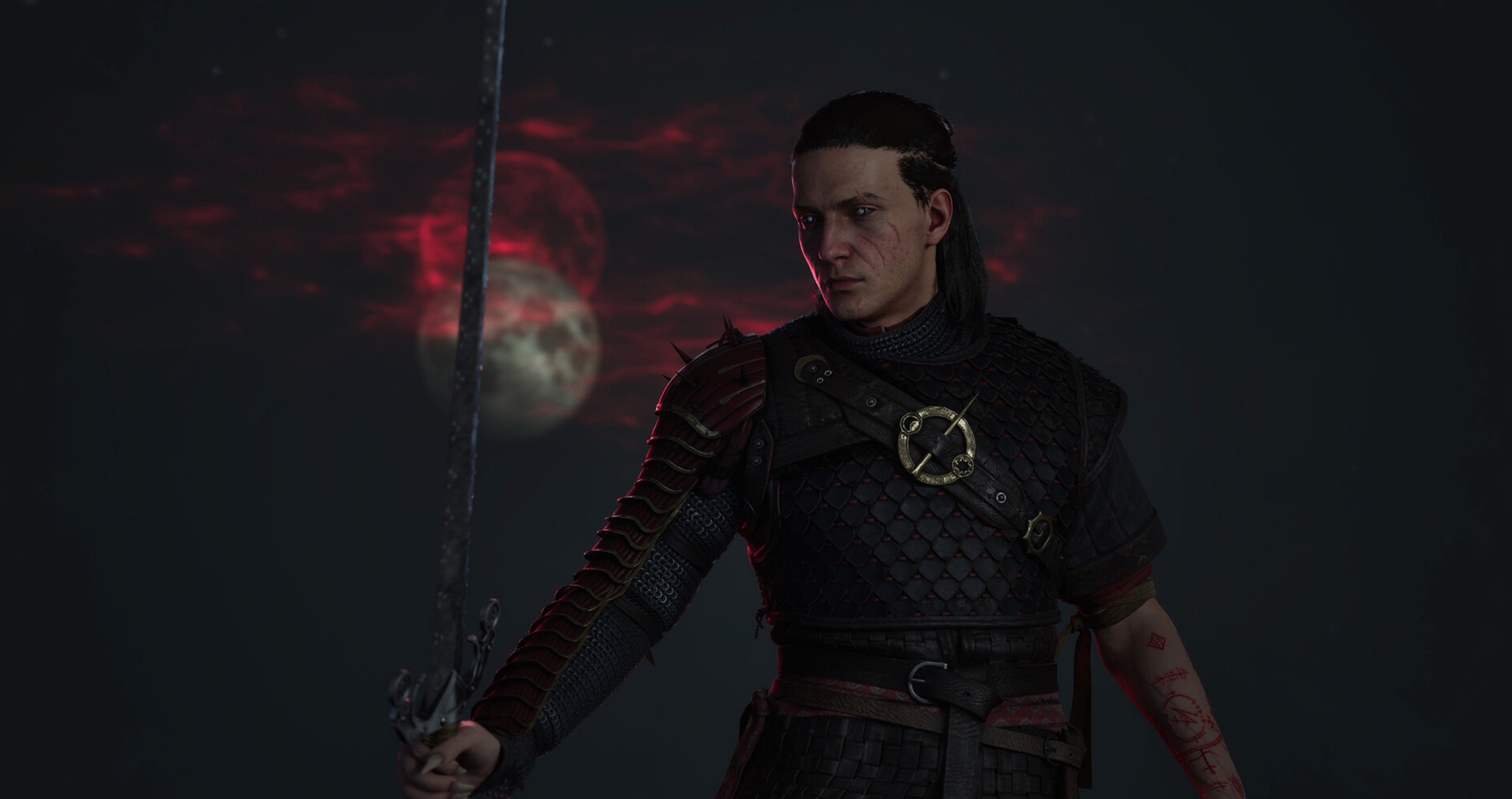
The studio was formed in 2022 by Konrad Tomaszkiewicz, the director of The Witcher 3. He initially funded the studio himself, quickly found investment, and its first game - the AAA open world RPG The Blood of the Dawnwalker - is nearly ready for release.
“I am surprised that it went so smoothly, to be honest,” Tomaszkiewicz says on today’s edition of The Game Business Show. “Everybody was saying that recruiting the team is this really hard thing, bur for us it was quite easy because people wanted to work with us. People said that creating the game is a really hard thing, but we’re getting really good results from the focus tests. We’re confident. I’m surprised that we haven’t encountered big problems.”
This doesn’t necessarily make for an exciting edition of The Game Business.
“I know, I’m trying,” he says. “But it is hard for me to say something went really wrong, because it’s coming together really well, and the people are happy. This is the biggest reward for me, I have a happy team making a great game.”
There was some drama before the launch of Rebel Wolves. Tomaszkiewicz had worked across all three The Witcher games, beginning as a junior tester on the first before rising up to lead development on the third. He also held a leadership position on Cyberpunk 2077. Over that time, CD Projekt changed significantly and Tomaszkiewicz found that difficult. In 2021, he was subjected to an internal investigation over allegations of workplace bullying. He was found not guilty, but left anyway and apologized to staff for “all the bad blood”.
Tomaszkiewicz had found himself in an environment where he had to be a boss, when he just wanted to make games.
“It’s different working with 150 people than 500 people. At Rebel Wolves, we have 160 including administration, the publishing department and so on. And I am among the people all the time. I’m working with everyone side-by-side, speaking with everyone… I know everyone. When you have 500 people, the management is like 100-plus people. With Cyberpunk it was 125. It is not possible to know everyone or to work with everyone every day. The creative process, the fun, is different. And I didn’t want to work like this anymore. I want to work like we worked in the past, with a smaller amount of people, struggling and fighting for solutions in every area of the game.
“I’m creating, and I’m not just someone on top who is testing the game and disconnected from the people.”
“The vision is important, but vision without the team to achieve it is nothing.”
Tomaszkiewicz says he considers himself more a leader than a boss.
“My role is not to tell people exactly how to do stuff,” he explains. “My role is to help them get to the final solution.
“This is something totally different than being only the boss, because when you try to force people to do something, in 90% of situations, it’ll fail. In our industry, people are artists and they need to have ownership. They need to feel that they’re creating. My role is to show them the direction where I want to go, but it’s their role to achieve it, because then they fulfil that creative need. When you’re stealing it from them, and saying: ‘I want to do it exactly like this,’ they are not the artist anymore. They are outsourced. And they’re not motivated.
“It’s important to remember that what we are doing is an art. And to create it, you need a really good team that is well motivated and wants to create the best game in the world. And who are your allies in this, let’s say, war of creating. Because making a game is not easy. Every department is doing different stuff. The technological dependencies between them are so complicated that it’s really easy to break the game.
“To create something that is special is really hard. And to do it, the team is the most important thing. The vision is important, but vision without the team to achieve it is nothing.”
Art over money
Tomaszkiewicz wanted a studio where people can “grow old together”. And part of that was to build a company driven by art, not finances.
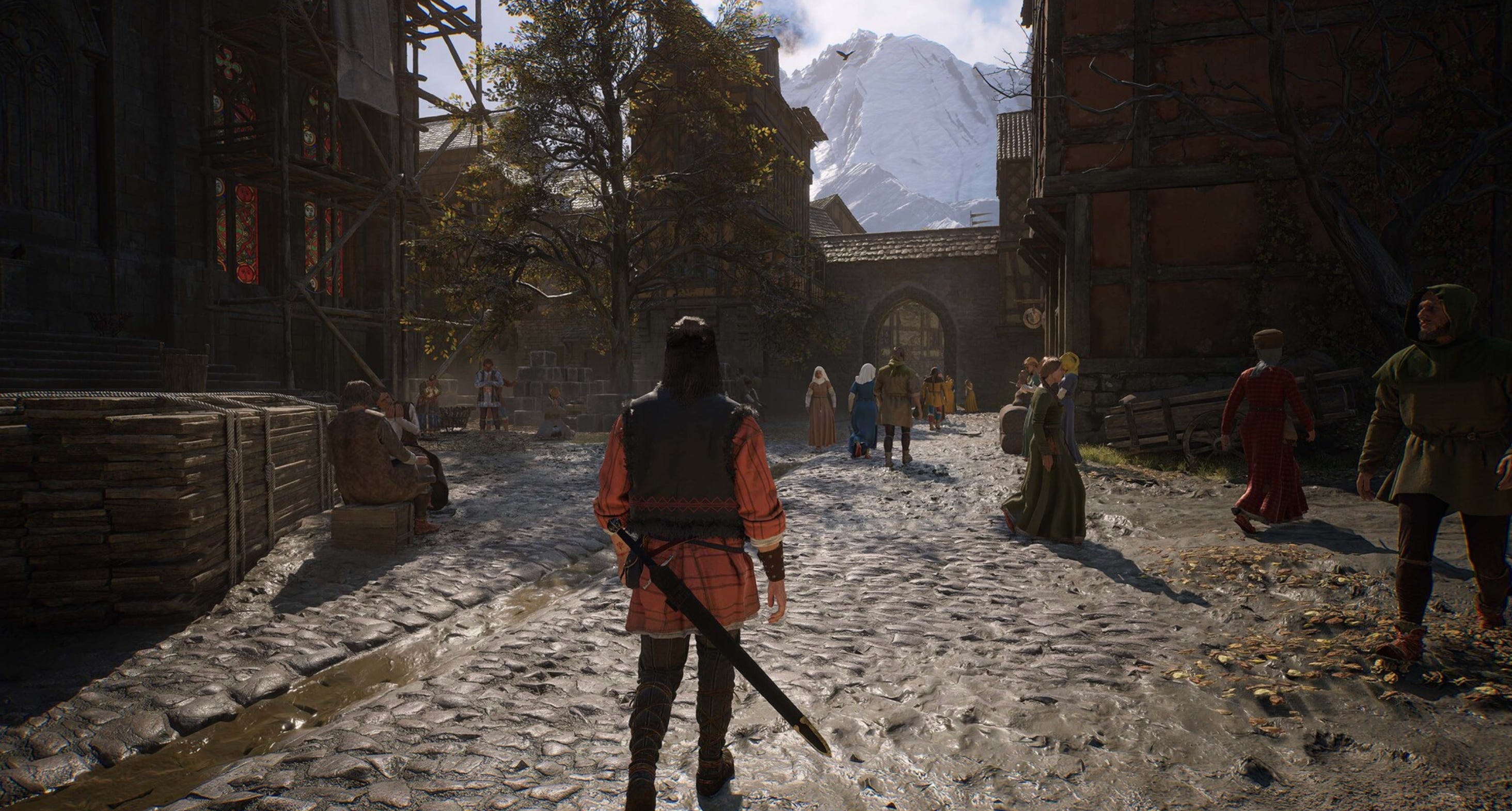
The Blood of the Dawnwalker might look like ‘The Witcher with vampires’, and that probably would have been enough for gamers to get on-board. But there are a lot of new concepts being tried here, and that comes from the artistic need to do something different.
“The problem in this industry sometimes is that people opening companies are thinking [too much] about how to make money,” he begins. “This is a really cold approach for the games. You cannot create art like this.
“I gathered around me people who love RPGs, and from the beginning we knew that we wanted to create story-driven, open world games with some twists. Opening a new company to do exactly the same things we did in the past is a problem, because we’ll not feel that we’re evolving, or developing ourselves. It was really important for us as artists. We want to push the boundaries of AAA RPGs by adding some risky stuff, which gives you more immersion, more emotions, and a different feel when you play.
“I think that this [idea] is growing these days, because when you look at Clair Obscur, or Crimson Desert right now, those games are different. They are not a copy of other AAA games, but delivering something quite fresh. And I’m really glad of it because I’m starting to feel like I did in the 1990s when I played games on my 286 PC, or even on the Atari where every game was different game. Every game was some unknown. We want to deliver a similar experience for people.”
Even so, The Blood of the Dawnwalker is inevitably going to get compared to The Witcher. Is he comfortable with that?
“Really comfortable. I feel really confident about our game.”
Investor frenzy
In the beginning, Tomaszkiewicz funded the project himself, before taking it (and Rebel Wolves) to outside investors. 2022 was not an easy time to seek funding, but he wasn’t short on offers.
“We were in a different situation than the other companies, because we had people on-board with a really good track record,” he explains. “We started to work on the Unreal Engine. We had the whole presentation about the vision, what we wanted to achieve, and all the documentation around the costs. It was really clear to investors that we knew what we were doing. We spoke with a few companies, and all of them wanted to invest, and we were in the situation where we had to choose one of them.”
In the end, the team took funding from Netease.
“One or two days after meeting Netease, we got the term sheet through. It’s hard to believe, but the team, plus a really good idea, all documentation, including the commercials, showed that we know what we are doing.”
The final leg
The Blood of the Dawnwalker is nearing certification. It’s almost ready. And it’s doing well. There was positive buzz coming out of Gamescom last year, and according to GameDiscover, it’s approaching one million wishlists on Steam. There are other RPGs ahead of it (including Microsoft’s Fable), and it’s a busy year for big games. But if Tomaszkiewicz is worried, he isn’t showing it.
“I want to stay small. I want to enjoy making games as I am right now.”
But then the ambition for Rebel Wolves is a modest one. Tomaszkiewicz isn’t trying to create a second CD Projekt. In fact, he wants to do the opposite.
“The vision for our team is to stay the size we are,” he concludes. “Maybe we’ll need some help in some areas after this game comes out, so we probably will grow a little. But I’m afraid that if we grow more, we’ll lose this communication and process we have right now. I want Rebel Wolves in 10 years to be exactly the same size.
“I want to sell [enough copies] of [The Blood of the Dawnwalker] so we can secure the production of the next two games, and create some unique stuff. I don’t have a vision to create this big corporation that will do five games at the same time and be huge. I want to stay small. I want to enjoy making games as I am right now.”
Thank you for joining us on today’s The Game Business Show. We’ll be back Thursday where we’ll be speaking to a politician about the video game business. Until then, thank you for reading.


