


Listen now on Apple, Spotify or YouTube
In This Edition,
Remedy’s Jean-Charles Gaudechon on…
Protecting Remedy’s identity
Making Alan Wake and Control bigger hits
Control Resonant competition
The FBC: Firebreak misfire
AI scepticism

Remedy fans were alarmed when the Finnish developer announced its new CEO.
Jean-Charles Gaudechon (or JC, as he’s known) is a former EA executive who has spent much of his career on live service and free-to-play games. His credits include FIFA, Battlefield Heroes and Eve Online. He’s also spent recent years working on sports apps.
On paper, he doesn’t seem like an obvious fit for Remedy, which is famous for its brilliant, weird, narrative single-player games like Alan Wake, Control and Max Payne.
But these games haven’t always delivered strong sales. It took more than a year for the acclaimed Alan Wake 2 to turn a profit. So, does this new appointment represent a change for Remedy? A pivot away from the weird and risky, and towards safer, more commercial productions?
“There’s been a lot [of talk] about EA,” Gaudechon says of his appointment. “What does it mean to have someone that has been spent time at EA? And I completely understand the fear of, ‘is he going to bring methods that work for a massive company and crush the soul of a studio like Remedy?’
“But I think I got chosen because I know exactly what Remedy is. And what needs to be protected, needs to be supported and needs to be grown. Remedy is one-of-a-kind. It’s a studio that has amazing creative drive. It’s a studio that also has been messy here or there, and that’s the beauty of the type of games that were made and how. What I hope I can bring to Remedy is vision on where the company could go and where we could make some improvements.”
He adds: “Who am I to change the DNA of a 30-year successful game studio?”
“I know exactly what Remedy is. And what needs to be protected, needs to be supported and needs to be grown”
Far from being stung by the audience reaction to his appointment, Gaudechon was reassured.
“Remedy is one of the few studios which is genuinely supported by players. Even my announcement was something I loved, because people were protecting Remedy.
“When I was announced, people from the industry and close friends sent me messages saying things like: ‘JC, that’s awesome. Congrats.’ And the last line was, ‘Don’t fuck it up.’ It was: ‘We love Remedy so much. Don’t fuck it up.’ That shows you how much people love Remedy.”
Gaudechon wants Remedy to double down on the games it’s always made. And then it’s about finding ways to turn those critical hits into commercial ones.
“Remedy is already one of the biggest game authors, with very strong signature products,” he says. “Now after seeing it from the inside, there’s so much more we can give in terms of super strong authored, creative, crazy stories and gameplay. Honestly, we haven’t achieved half of the potential in terms of the products that we make.”
He adds: “But as franchises Control, Alan Wake, etcetera, could give a lot more. There’s a vision on thinking bigger for some of these IPs, which need to find its audience much, much further than the current audience. It’s super exciting.”
So, if Remedy isn’t going to change the games it makes, how exactly is it going to grow? In today’s edition of The Game Business Show, we discuss this, the upcoming Control Resonant, the firm’s partnership with Annapurna, AI, self-publishing, Asia and lessons from FBC: Firebreak.
You can check out the full conversation in our podcast and video above. Or keep on reading for the main talking points.
Remedy is building franchises
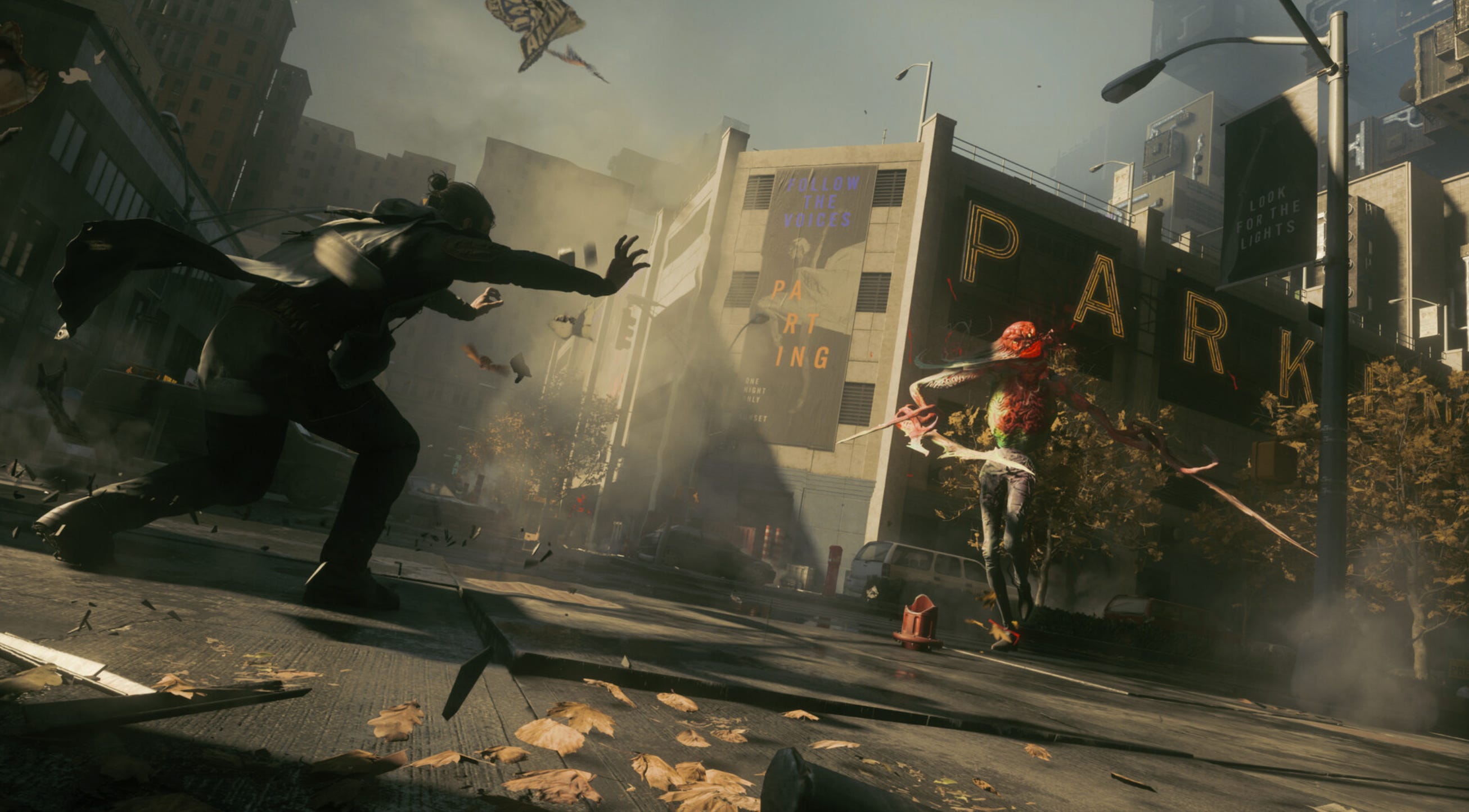
Central to Remedy’s growth is turning its IP into established franchises.
This strategy pre-dates Gaudechon. In fact, Remedy had already signed a deal with Annapurna to produce Control and Alan Wake TV shows and movies.
“We need to think more about how we are approaching our IPs as a franchise,” he tells us. “How do we grow the community?
“[Our deal with] Annapurna goes into making our games, our franchises shine further and reach an audience that doesn’t exist today. It’s a pity, I think Alan Wake should have sold more. Control should have sold more. To me, that’s one of the first things we need to fix, even before trying to make more games to a certain extent. First of all, maximize the potential of the ones we have, because they’re incredible. And cross-media is going to help us do that.”
Expect Control Resonant’s marketing to get a little weird
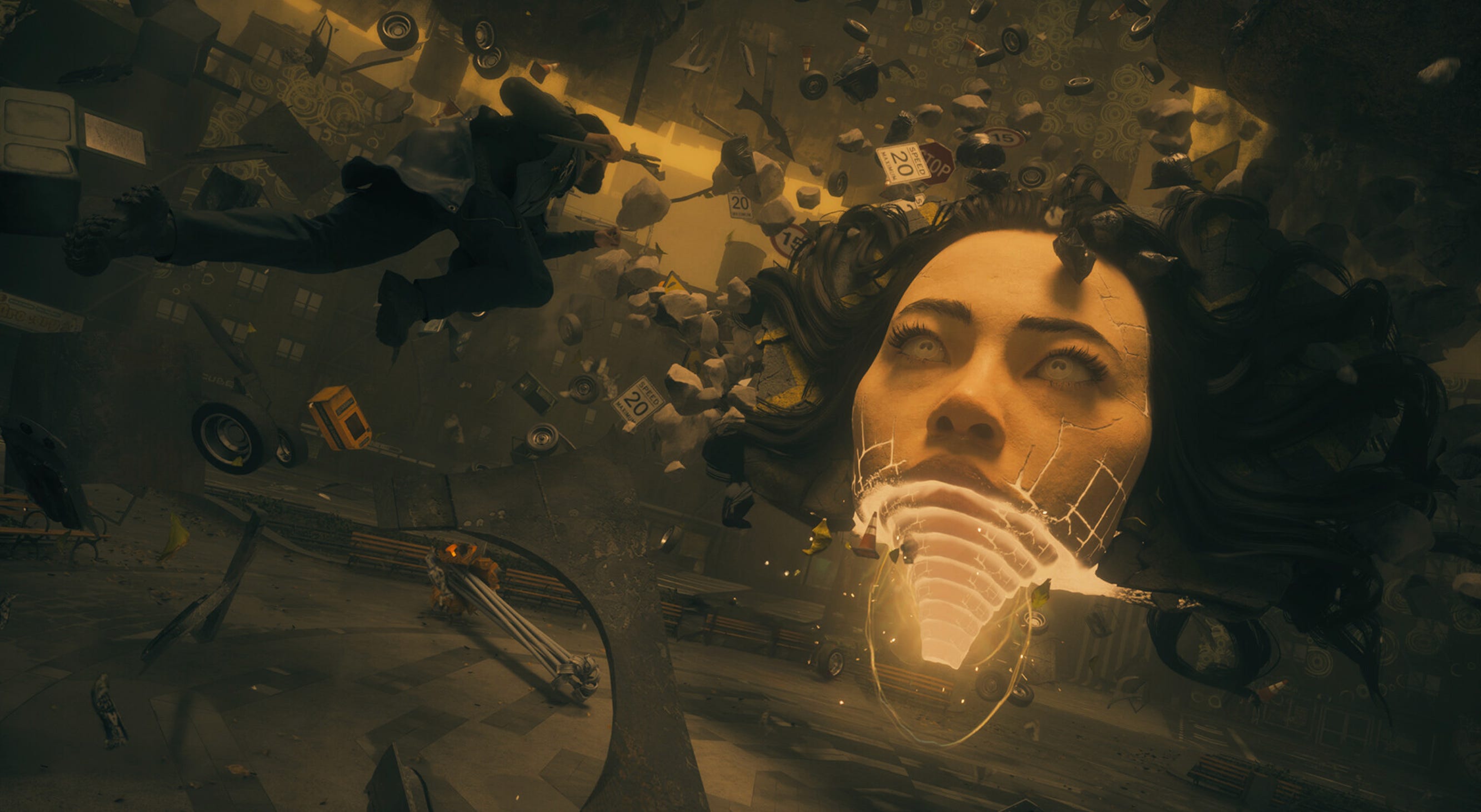
Part of this franchise development will be aided by Remedy’s move to self-publishing. And we should expect its unique, somewhat bizarre voice to extend beyond the games and into how they’re promoted.
“No one can really talk about our games as well as us, especially as Remedy makes pretty unique and special games,” Gaudechon says.
“And I wouldn’t say that wasn’t understood by publishers before. We had great partners in the past. But I think we couldn’t really have as much of a unique voice on the publishing front as we have in our games. And self-publishing is opening the door for us to do that.
“It was a big part of me also accepting the job, because this is something that will push Remedy into a new era.”
Advertisement

“GTA 6 will raise the tide”
Taking an unconventional approach to marketing might prove crucial for Control Resonant. The action RPG is due this year, and it’s a highly competitive time for AAA games, with a certain Grand Theft Auto 6 due in November.
“It’s a year, I believe, that’s going to raise the tide,” Gaudechon says. “It’s going to put the spotlight even more on games than maybe in past years. Hopefully [GTA] will sell consoles. And raise the tide for all the players out there.
“[For us], it’s less about trying to make your money back in a few days. Now you’ve got multiple ways to have a longer tail. It’s going be fun. You can expect quality from us. You can expect a voice that will cut through the noise. Expect us to be as loud as we can and hopefully pique people’s interest.
“We’re not going to play safe.”
Remedy learnt a lot from the FBC: Firebreak misfire
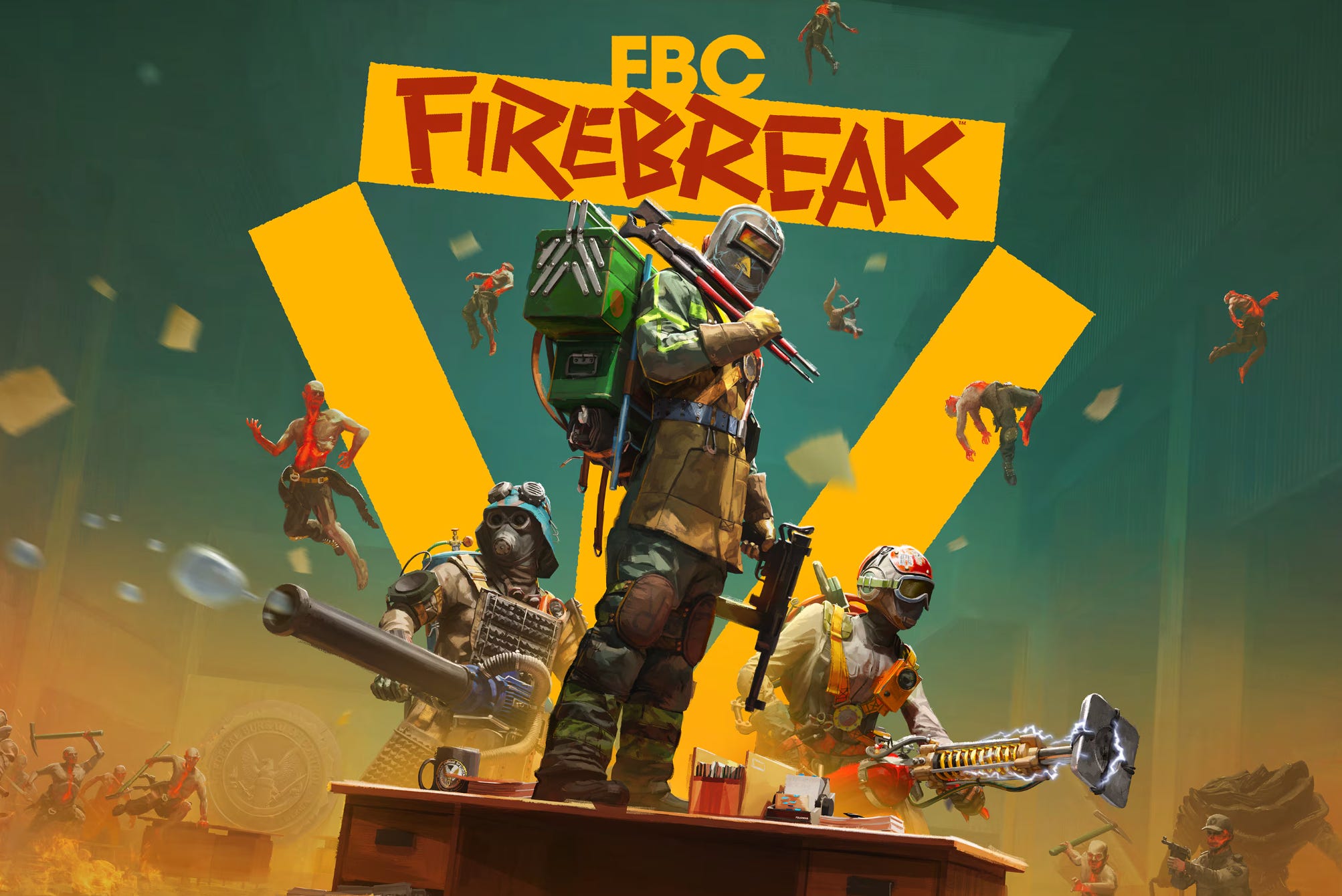
Last year Remedy released the co-operative shooter FBC: Firebreak. It proved to be a rare miss for the developer. Not only did it struggle to find an audience outside of subscription services, but the fan response was muted, too.
“I’ve spent a lot of the past two months trying to understand how the sausage is made, how this came together and also what worked and what didn’t” Gaudechon says.
“There have been learnings at development level, how the concept and project came together and how it was supported throughout the studio. There are many things that can go right or wrong around a product from birth to being live. We’re super proud of the dev team and what they’ve done. They really pushed hard and the conditions are not always the best. Let’s put it that way. Whether it’s the success it should or shouldn’t have been, well, there are a lot of things that come into play. It’s also the first self-published game, which was at a smaller scale than Control Resonant will be. There were some learnings there, too, around how you go through that process, how you position a game, how you manage community, et cetera.”
Of course, FBC: Firebreak was an online game. And these games require a different approach and skillset compared with a single-player story game.
“It’s easy to judge in hindsight, so always be cautious here when you realize how hard it is to make a game, and especially a successful one,” Gaudechon explains. “I have tremendous respect for previous management and for the team, which is still here doing awesome. But it doesn’t always work. Going into a bit of a different genre, that’s when you see that the leap is sometimes much bigger than it looks. That’s one of the big learnings.”
Don’t expect a free-to-play mobile game from Remedy.
During Remedy’s financial results earlier this month, Gaudechon talked about giving the team focus. But to quote former Nexon CEO Owen Mahoney: “focus isn’t saying yes to a couple of things, but saying no a whole lot of things”. So, what is Remedy saying ‘no’ to?
“Remedy will be defined even more by the stuff we don’t do, over the things that we keep doing,” Gaudechon agrees.
“The things we shouldn’t do is a free-to-play mobile game. This is not something that makes sense for Remedy today, and may never make sense. It’s more about building on our core IPs. If, as an example, Sam [Lake, creative director] comes to me and says, “Hey, I’ve got a super cool idea around Alan Wake. We could do this on mobile.” Then cool, we’ll speak about it. Because that actually builds on one of our core IPs and strengths, and we’re not just trying to go after a market segment. That doesn’t make sense. You don’t try to go after business and turn that back into making a game. That’s never worked.
“To me, [the things we don’t do] is everything that goes far from our core strength, which is narrative, single player and some of the awesome IPs that have been created.”
He adds: “In years to come, I think there’s going to be more and more vanilla products that are just trying to make quick money. How do you differentiate yourself? By your creative voice, by actually saying and standing for something that is unique to you, that represents you. Remedy has done the hardest part by doing all this.”
“AI is not going to make things cheaper”
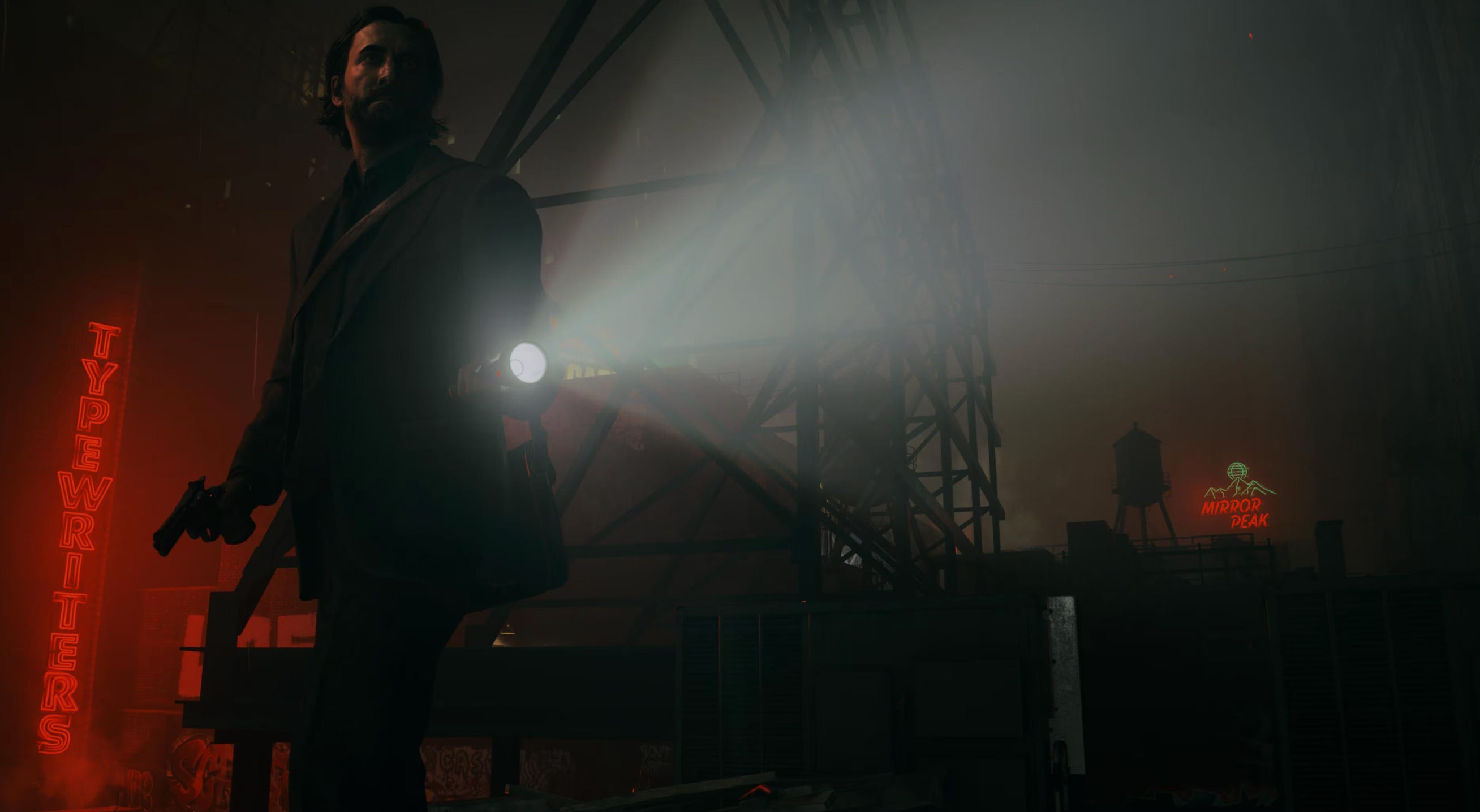
Now for the obligatory AI question. During the company’s financials, Gaudechon spoke about maintaining Remedy’s strong discipline around costs. Many of its competitors have turned to AI to see if that can help make games faster (and by extension, on a lower budget). So, is this a focus for Remedy?
“Remedy makes authored games and really artistic games,” Gaudechon says. “The creative imprint is really high. So, we are being extremely cautious and not embracing AI clearly. But… prototyping, early development, maybe. If the team feels that in parts of development it can help, I’m not going to block them from doing so. There’s absolutely not going to be a top-down mandate to say: ‘Hey, now you should try to speed that up with AI.’
“My stance is that AI is not going to make things cheaper, and it’s not going to make things cheaper for a pretty long time. People thinking, ‘Oh, we can now make games cheaper with this’, I have big question marks around that. And what types of games by the way? I said this during the earnings call, good luck trying to do Alan Wake 2 with AI. Try to use Genie and do that, and we’ll see where you land.
“But we’ve always been an R&D studio. It’s always dabbling with tech stuff. So, I’m not going to block people from doing so. But we’re going to be extremely cautious on that, never getting anywhere close to creative and anywhere close to user-facing.”
That’s it for today. Join us on Thursday where we’ll be talking GTA 6, plus sharing some exclusive market stats. Until then, thank you for reading.


