


Listen now on Apple, Spotify or YouTube
In This Edition,
Saber Interactive COO Tim Willits on…
Making games on a budget
Sticking with licensed IP
Turok, Hellraiser, Road Kings and Stuntman
Industry optimism
I couldn’t escape Saber Interactive at Summer Game Fest.
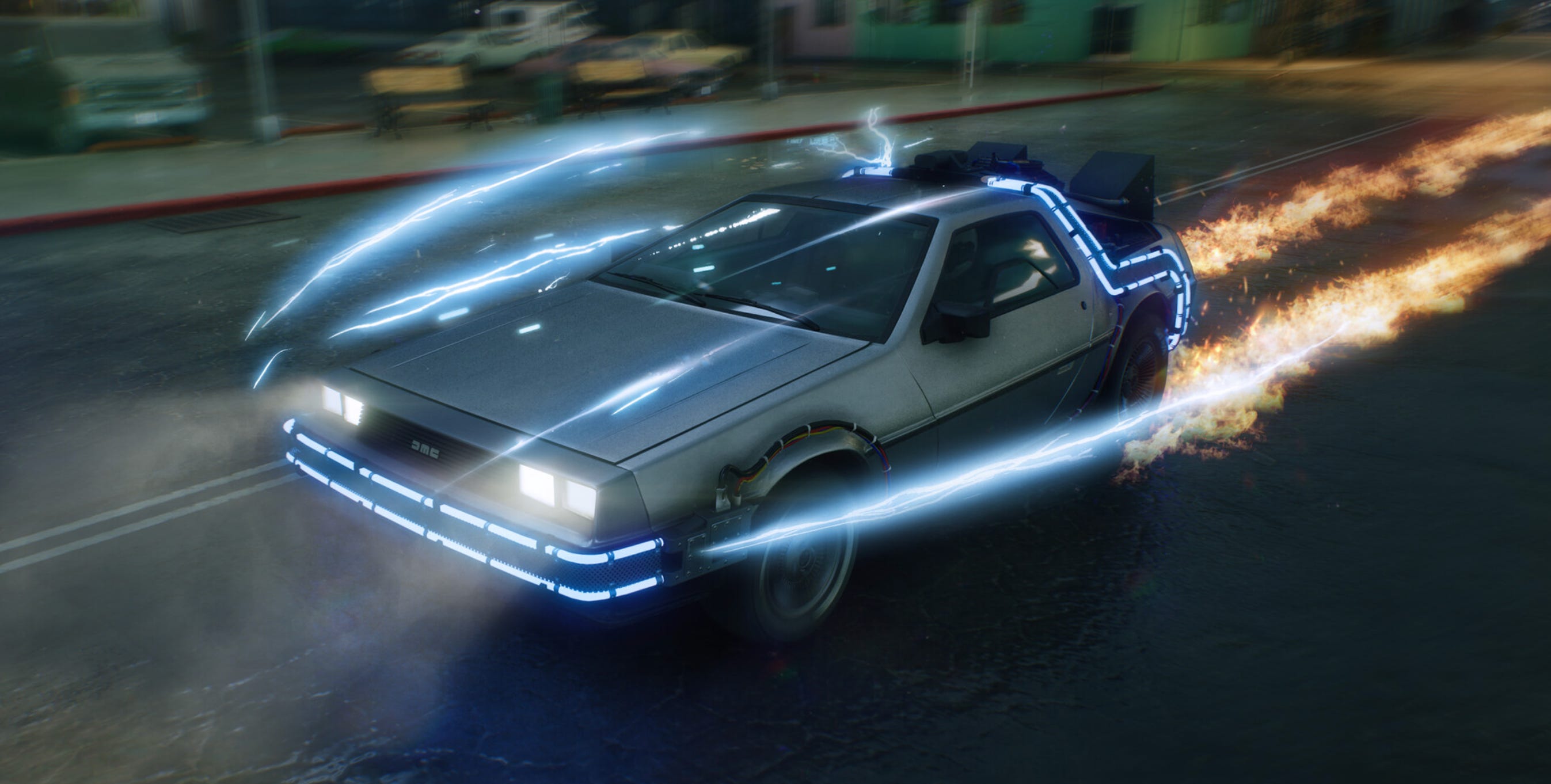
The firm was there showcasing and announcing games such as Stuntman Hollywood, Turok Origins, Clive Barker’s Hellraiser: Revival and a classic collection of remastered Hitman games.
It sounds like a lot, but it’s just a slice of the games Saber is working on. There’s also a Star Wars remake, a Jurassic Park title, a John Wick project, a game based on Avatar: The Last Airbender and Warhammer 40,000: Space Marine 3.
“We’re big,” says Chief Creative Officer Tim Willits. “We have 3,500 employees. I don’t know if this is actually true, but I like to say it, we have more licensed products in development than any developer in the world.”
I’ve wanted to talk to Saber for a while. It’s an interesting company. It works on an eclectic bunch of licences, from major brands to forgotten classics, to trucking simulators. But it’s also built a reputation for making good games at a reasonable cost. Six months before Clair Obscur became the template on how to make AAA-like games on non-AAA budgets, Saber had already shown the way with Warhammer 40:000: Space Marine 2.
“We’re very good at making sure that we scope our projects to focus on the fun and to focus on what really needs to happen,” Willits says. “I play these other games, and I can see these virtual dollars flying out of the screen, and I can see how much money they spend on the dumbest stuff, and I’m like, ‘Oh, God, that’s expensive.’
“We also have a culture that allows all of our employees to work on the titles where they’re most needed. There are big development studios where teams get siloed. They’re like, ‘I’m Team A, and I only work on this game.’ And you have these North American developers with 200 employees working on one title. That’s not going to work. Because everyone knows you don’t need all 200 people in the very beginning and at the very. So, you need to work on other projects. You need to expand. That’s one thing that we’re very good at.
“And then we also are very smart when it comes to where we do our development. We find super talented people in places that are honestly a little more affordable. But we have experience grabbing resources where we need them, moving people where they are most useful, and the employees love it. People can work on everything from John Wick to SnowRunner to Space Marine 3. So, it’s really been a culture and a philosophy and a business direction that has made us successful.”
It’s an agile approach to making video games, which is quite remarkable when you consider the number of developers.
“Sometimes I feel like the guy spinning the plates,” Willits admits. “And I’m spinning it up and then I see one starting to wobble and I run over. That’s kind-of how we work. We’re a little crazy, but we seem to pull it off. We find the right leads that have the right vision and passion for a project, and then we give them the time they need. Sometimes we get games done really fast, sometimes it takes a little longer. So be it. But we focus on what’s really important. We focus on the quality experience.
“And we’re not afraid to take risks. We’ve had huge success with small games. I mean, look at MudRunner and SnowRunner. SnowRunner was literally made by a handful of people, and it has made hundreds of millions of dollars. And then you have Space Marine 2, which is a huge AAA game. I know how much that game costs, and I know how much other games have cost that have been made by big AAA teams, and we can just do it smarter.”
“SnowRunner was literally made by a handful of people, and it has made hundreds of millions of dollars”
At Summer Game Fest, it was showing three very different games: Stuntman, Turok and Hellraiser. But what would Willits say is a ‘Saber game’?
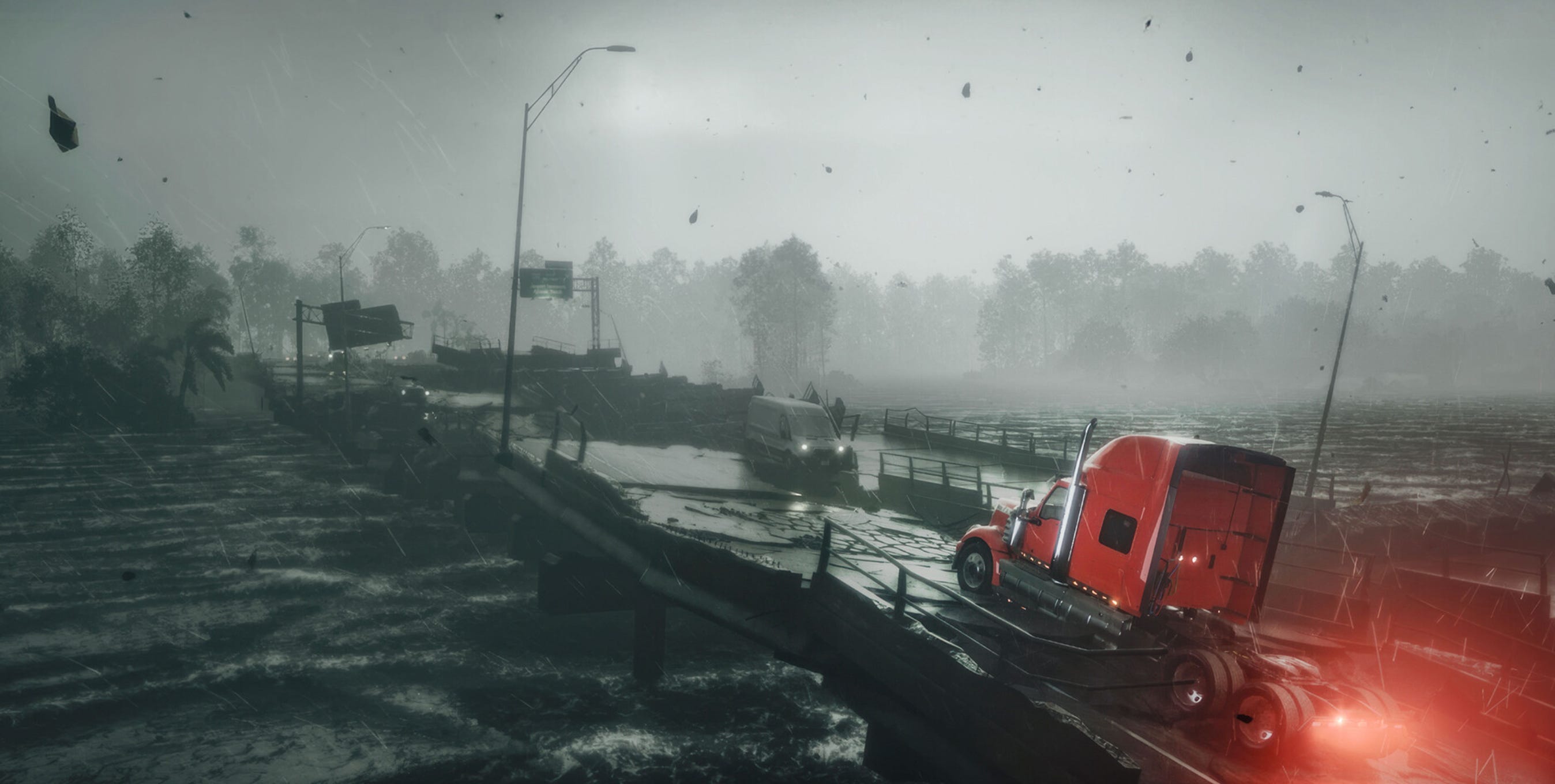
“We have that conversation internally all the time. There really is not a Saber style. Yes, we do great with action games. We do great with mature content. We do great with IPs. But look at [our simulation] games like SnowRunner, RoadCraft, Road Kings, we’ve had success there, too. We do Saber them up a little bit. Like in our Road Kings game, you can be a hero and there’s some natural disasters that you can drive your truck through… but it’s still a trucking simulator. So, we have a little DNA flavor, but we don’t have just one type of game.”
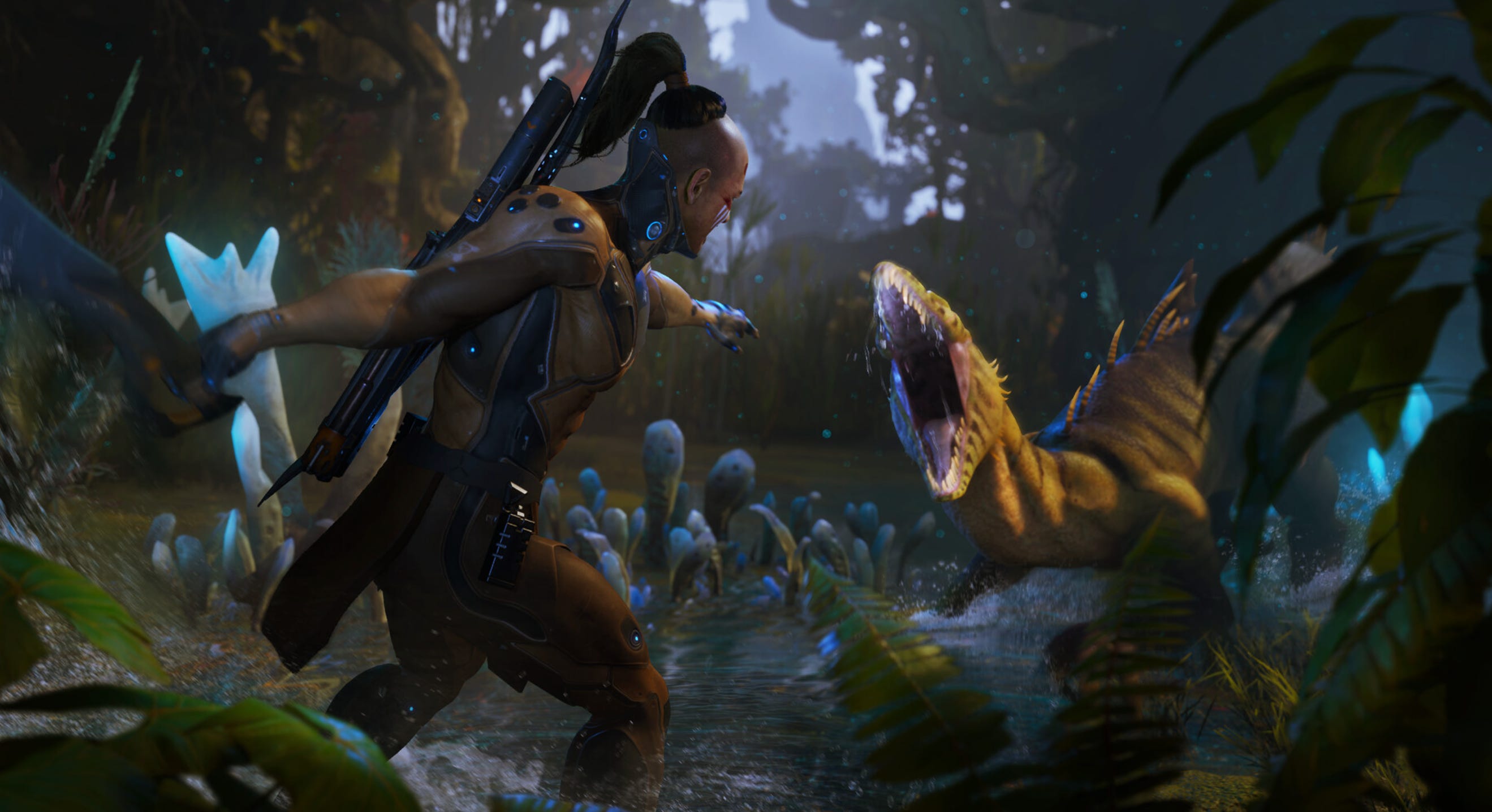
I must confess that one other reason I was eager to talk to Saber is because of Turok Origins. Turok was a series of dinosaur shooter games from the late 1990s and early 2000s published by Acclaim, and based on a comic book franchise. I am a fan of the original N64 games, and I’m excited to see it come back.
Nevertheless, I also found it surprising. The last proper Turok game came out in 2008, and there’s not really been a successful Turok since 1998.
“We had an idea for a video game,” Willits said plainly. “Our game director had a vision. And we have a good relationship with [IP holder] Universal, so we’re like: ‘Maybe we can build a Turok game with this idea?’”
Willits knows there will be some original Turok players that will be interested, and he expects that will bring a younger group into the IP, too. In fact, a lot of Saber’s games skew older, whether that’s with IP like Hellraiser, or remastering classic Hitman games. He says he thinks there’s an opportunity for Saber to bridge “the generational gap” with these legacy franchises.
But licensed games are no guarantee of success. In fact, in recent times, we’ve seen titles based on Indiana Jones, Avatar and even Star Wars fail to meet expectations. Nevertheless, Saber remains committed to these licensed experiences.
“It’s just something that we’ve done well,” Willits says. “We have a good reputation. And with a licensed game, it does help open the door. Let’s talk about Hellraiser. If we wanted to make a survival horror game and it was our own IP, it would be more of an uphill battle. But people have heard of Hellraiser. People have heard of Space Marine, and Space Marine 2 was a huge success. World War Z, a great book, okay movie, and a super good video game. We’ve had over 30 million people in World War Z. I don’t know this for a fact, but I’m pretty sure that the reason Paramount is looking into making another [World War Z] movie is because of the success of the video game. They have told us that it was one of their most successful licensed properties in their history. That just goes to show you the power of a really good video game.
“The IP can open the door, but the game has got to be great to get people through it.”
Saber is building a reputation as a strong developer. There are fans of Saber games. So, could there be a time where licensed games are scaled back in favour of original Saber properties?
“Not necessarily,” Willits answers. “We have some great brands that belong to us. Toxic Commandos is us, Road Kings is us, RoadCraft, SnowRunner… we have a number of our own IPs. But we’ve done so well with licensed IPs. We have great relationships with everyone. We work with Lionsgate, we work with Universal, we work with Paramount. And that’s going to continue.”
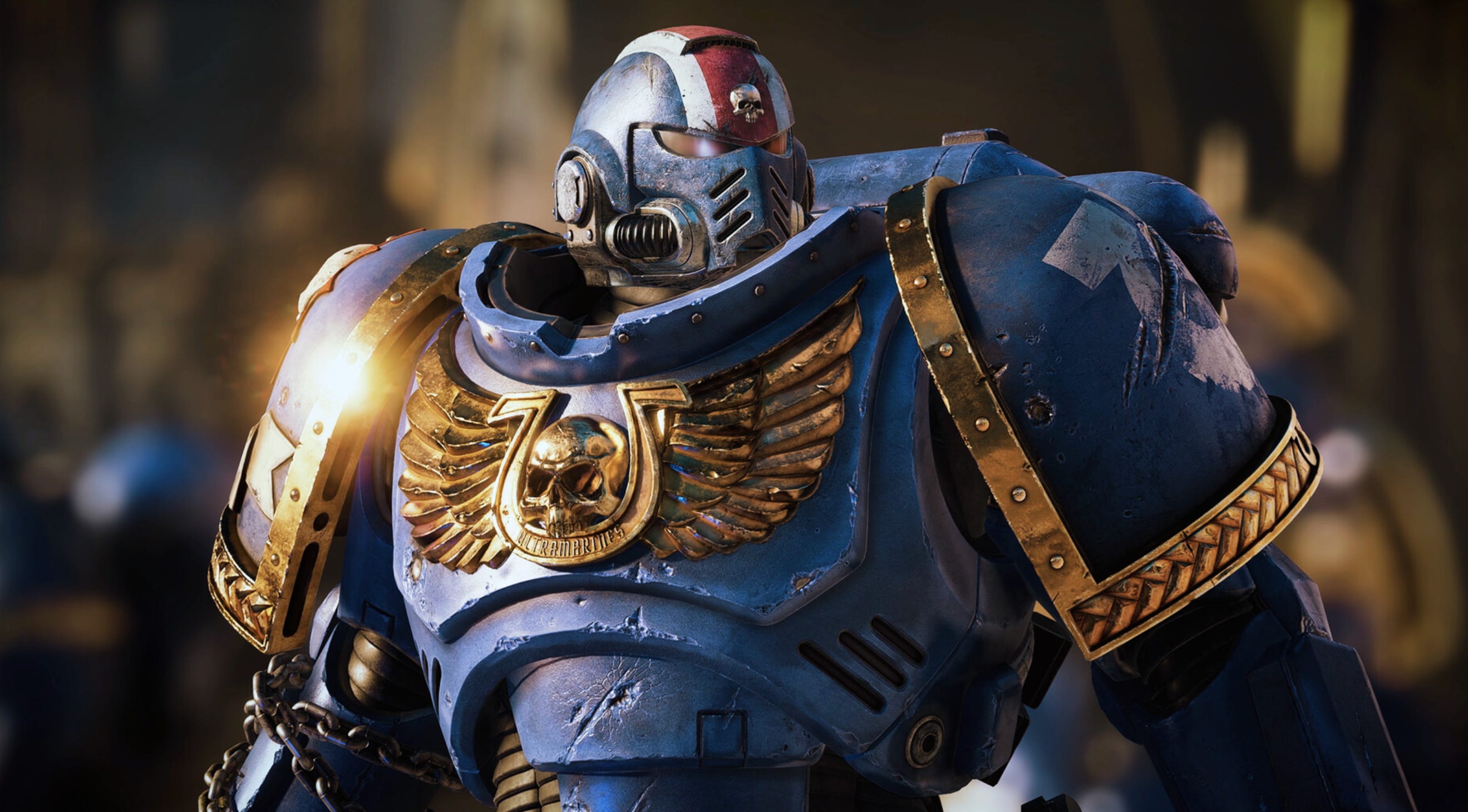
Saber is certainly in-demand, and Willits says that a lot of that comes down to the success of Warhammer 40,000: Space Marine 2. In fact, that game has “literally changed everything,” he tells us.
“It not only changed the way that the team looks at making games, it changed how people look at us. I’ve seen this in my career, when you have a huge hit, when you go to make the next game, everything has to be awesome. It’s like, “This has got to be the most awesome toaster ever.” And it fuels success. And because we have a reputation of really doing well with licensed IPs, every major license holder wants to make a video game. It’s just the way it is. Everybody. So, we are in a very fortunate position to turn down more than we can accept. I can’t say the name, but… you know you’re successful when you’ve turned down those guys. It’s really nice to be in that position.”
It sounds like Saber might need to expand further.
“We are still open to growth,” Willits continues. “We’re still open to acquisitions. We’re still open to organic growth. We want to be smart, of course. We have some great partners. We don’t want to do anything foolish. We just need to be measured. We need to take the opportunities where we have them. And again, if you’re the popular one in the room, you’ll always be turning people down. It’s a good position to be in.”
When we spoke to Willits last month, he was clearly excited, and it was hard not to be during Summer Game Fest. There were so many promising games being shown to press and public alike. In the weeks since then, the industry has gone through a miserable period of cuts and price rises. SGF feels like a lifetime ago.
So, I’ll finish today’s newsletter with a reminder of some of that optimism.
“I do believe this is a good time for video games,” Willits concludes. “It’s been difficult for some people, but if you look at the showcases, and you look at some of the announcements, there’s really great products.
“And creative people will always find a way to make something amazing, and those games will be found, and people will enjoy them. The video game industry has been up and down. I’ve been around forever. You’ve been around forever. And really great entertainment will always win out.”
That’s it for today. We’ll be back on Thursday with our latest news analysis, plus a chat with a brand new video games website. Until then, thank you for reading.


