


The Game Business is Live in Los Angeles on Monday, June 8, where we will be interviewing game industry veterans Laura Miele, Jason Rubin and Matthew Ball live on stage. Tickets are available now.
Listen now on Apple, Spotify or YouTube
In This Edition,
Are exclusives coming back?
The state of influencer marketing
Nightdive’s Atari boost
Hello and welcome back. I hope you’re having a lovely week.
We have a busy one for you today. In this edition, we dive into the data around exclusive games and discuss why PlayStation might be pulling back from PC releases… and whether Xbox should keep putting games on other consoles.
Our big guest on the Show is Jake Kulkowski. Jake is a top influencer specialist who has come up in two separate interviews we did this year (first by the Mewgenics devs, and then the Dispatch team). So, we thought, let’s have him on to chat influencer PR and marketing.
Along with Jake, we have a mini-interview with Larry Kuperman of Nightdive Studios. Larry has just retired from the remaster and remake specialist, but we managed to grab one final chat with him about the retro scene.
As always, you can listen to all this on the Show above. Or check out our highlights below.
Enjoy!
The return of the exclusive?
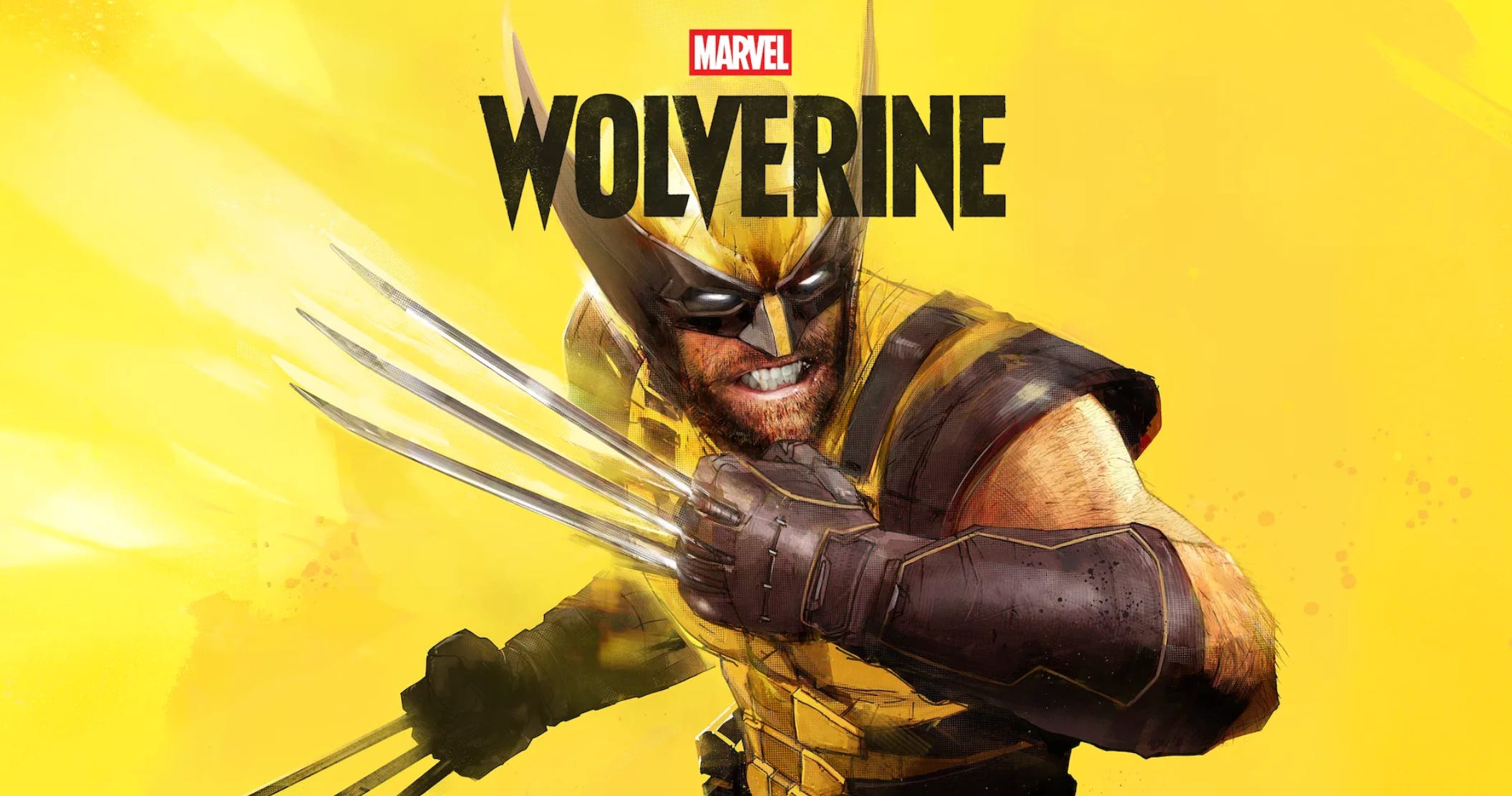
PlayStation and Xbox are reportedly reconsidering their multiplatform strategies.
Releasing game across all platforms has become a priority for big game publishers. Development costs have risen and the console space is showing signs of slowdown. As a result, third-party companies have been aggressively pursuing a multiplatform strategy, with an increased focus on PC, streaming, Nintendo and even mobile.
But it’s not just been third-party publishers. Xbox has been releasing all of its games on PC for almost a decade, and has started regularly publishing on PlayStation and Nintendo, too. Meanwhile, Sony has been releasing its multiplayer games – such as Helldivers 2 and Marathon – across Xbox and PC. And it’s also been launching its well-known single player titles, including God of War and Spider-Man, on PC (albeit, a few years after the PlayStation versions).
Now, Xbox is openly re-evaluating its exclusivity plans. And according to reports, PlayStation is planning to keep its single-player games exclusive to its consoles going forward.
So, what’s changed?
Exclusives sell consoles
According to Circana’s Q1 2026 consumer survey, 41% of US gamers say they play on a console because of exclusive games. That is a drop of 8 percentage points on Q1 last year, but it’s still the No.1 reason people choose to play games on PlayStation, Nintendo and Xbox. The No.2 reason people choose to play on a console is because friends and family also play on it (38%).
Looking at sales and player data, we can see that exclusives do drive sales. This is most notably true with Nintendo, but it’s the case with PlayStation, too.
In November 2022, with the release of God of War Ragnarok, PS5 saw a significant spike in sales in Japan and the UK. During the week of release, PS5 sales jumped 116% in Japan (Famitsu data). Meanwhile in the UK, 38% of all PS5s sold that month were of the God of War Ragnarok hardware bundle (Nielsen IQ data).
It does fluctuate over time. 2025’s Ghost of Yotei and 2023’s Spider-Man 2 did have some impact on hardware sales, but it wasn’t as significant as God of War.
But the biggest driver of PlayStation hardware is actually non-exclusive third-party games. Titles like Call of Duty, FIFA and NBA dominate the PlayStation charts. In October 2023, the same month Spider-Man 2 came out, over half of all PS5s sold in the UK were bundled with a copy of FIFA 24.
Exclusives are important on PlayStation, and they’re a key differentiator. But for the majority of PS5 owners, exclusives are not the primary motivating factor behind buying the hardware. By contrast, Nintendo consoles are primarily driven by first-party exclusives.
Is PC a rival to consoles?
PlayStation has been releasing many of its single-player games on PC a year or two after their initial release.
This might appear to undermine the appeal of the console, but data shows that PC and console players can be quite different.
48% of spend on PC games is via microtransactions, and 29% of spend is on premium games (Newzoo data). The numbers are almost reversed on console, with 50% of spending going on premium games and 27% on microtransactions.
Newzoo data shows that 75% of console revenue comes from $50+ games. On PC, the cheaper games perform better. The sub-$30 category accounts for 30% of PC games revenue, whereas it’s just single digits on console.
Console players are focused on a smaller set of major franchises, they like AAA, annual sports games and live-service shooters. PC players spread their time across more games, buy at lower price points and are more active with indie games.
There is clearly some overlap between PC and console on the AAA end. But overall, PC players and console players behave differently. Therefore, releasing PlayStation games on PC (after a window of console exclusivity) makes strategic sense. There’s an audience that Sony isn’t speaking to on PC. So, it’s unlikely to have a major impact on console sales, and could potentially unlock more revenue and players for Sony’s big franchises.
Has it worked?
The results are mixed. When it comes to the live service games, PlayStation has seen huge success on PC (and even Xbox). Helldivers 2 had 7.9 million players in March 2024 (Ampere data), and the majority of those (4.6. million) were on PC. It’s similar with last month’s Marathon. According to Ampere, Marathon attracted over 2.2 million players during its launch month, with 1.1 million on PC, 660,000 on PS5 and 525,000 on Xbox.
But the single-player results are less impressive. God of War Ragnarok attracted just 300,000 players on PC in its launch month (by comparison, its PS5/PS4 launch brought in 6.9 million players). The PC release of Spider-Man 2 saw just 260,000 players at launch. Horizon: Forbidden West hit just 230,000 players. One single-player title that performed better was Ghost of Tsushima: Director’s Cut, which saw 710,000 monthly players when it launched.
Of course, it must be noted that these PC games launched long after their console counterparts, and once the main marketing campaigns had finished.
Is Xbox likely to change course?

Unlike PlayStation, Xbox does release games on PC and console at the same time. But again, the results have been mixed.
Starfield did well on PC, selling over two million games on Steam back in September 2023 (Ampere). But if we look at last year’s games, the results were less-than-impressive. Avowed had just 140,000 players at launch, The Outer Worlds 2 peaked at 170,000, while Indiana Jone and the Great Circle reached just 240,000. Steam isn’t all about the launch period, and PC Game Pass figures are not included, but even so, these are soft numbers.
Nevertheless, Xbox has made PC a major part of its strategy, and it’s unlikely the company will reverse course on the platform. But what about PlayStation? Is putting games on PS5 working?
The data is generally positive. The company released Forza Horizon 5 on PlayStation last year and it was a smash hit, immediately bringing in millions of players. Sea of Thieves also attracted over two million players when it launched in 2024. Indiana Jones and the Great Circle also did reasonably well. 400,000 people played that game on PS5 during its launch in April 2025 (Ampere), which meant the PS5 launch was bigger than the PC launch.
It hasn’t all worked. The Outer Worlds 2 and the recent Starfield launch were more muted. But overall, the results have been solid.
But the challenge for Xbox is the collapse of its console business. Sales of Xbox Series S and X has fallen sharply, as has the number of active Xbox machines. In a memo to staff, Xbox leaders Asha Sharma and Matt Booty said that it wanted to stabilize the console and maintain “a healthy and high-quality base”.
Could a return to some form of exclusivity, or perhaps windowing, help achieve that goal? The Circana data suggests exclusives are a major motivator for players on console. I wouldn’t be surprised to see Xbox experiment with not releasing one of its upcoming titles on PS5.
Are exclusives coming back?
After several years of experimentation, it’s understandable that PlayStation and Xbox will start reviewing what’s working and what isn’t.
Releasing single-player PS5 games on PC appears relatively low-risk right now. But with the rise of PC-based handhelds and consoles (including the next Xbox and the upcoming Steam Machine), the availability of PlayStation games on these devices might weaken the appeal of Sony’s hardware.
“PS5 games on Steam, outside of live-service shooters, simply aren’t selling in high numbers”
So, the question becomes, is it worth it? And the data suggests, for a lot of its games, it isn’t. PS5 games on Steam, outside of live-service shooters, simply aren’t selling in high numbers. There may be games in the future where it is worth it. If Sony has a game for Chinese players, for instance, then a PC version would be sensible. But for now, the opportunity size doesn’t seem to be worth the investment, particularly if it harms how the console is perceived by the audience.
It’s a little different for Xbox. Series S and X is in last place and languishing. What’s more, the profit margins on Xbox’s first-party games are impacted by their inclusion in the Game Pass subscription service. Putting its games on PlayStation not only widens the audience considerably, it’s also an audience that will buy the games at a premium price point.
Xbox says its ‘North Star’ is daily active players and releasing games on PlayStation will help it grow that number. But it will come at the expense of its platform and services. In its memo to staff, Xbox says it “will build a global platform that connects players and creators everywhere.” And the best way to get players to use that global platform is by putting games on it that they can’t get anywhere else.
Therefore, I expect both companies will be more strategic when it comes to their multiplatform approach in the future.
Four Things we learned from influencer expert Jake Kulkowski

In today’s The Game Business Show, Guillotine boss Jake Kulkowski shared with us his insight into the changing world of game influencers. Guillotine is a specialist influencer agency that works with big clients like Sega and Bandai Namco, and also on major indie projects such as Mewgenics and Dispatch.
The whole conversation is worth listening to above. But here are the key things I took away from the conversation.
Audiences want credibility and slightly longer content
“The bar was very low with short form content,” Kulkowski told us. “The view time was very low. The click-through rate was very low. It was very mindless. And for whatever reason, people, especially Gen Z, are moving away from that. They want to feel like they’ve left with something. TikTok was good for this when it moved away from dancing and lip-syncing, to people telling you little tips and tricks, or ‘did you know this?’
“Short form can’t always give you what you need, and long form can feel a little disrespectful of people’s time. So, they want the 10-minute version of stuff. They want short form to be episodic. ‘Where’s the part two of this?’ is one of the most common things you hear on short form content.”
Most major influencer channels are down across the board
Platforms like YouTube are trying to boost discoverability of creators and channels, but that’s coming at the expense of the more established names.
Kulkowski told us that for YouTube users on mobile, 11% of everything they see is stuff they’ve subscribed to, whereas that number was 81% three years ago.
“Retention has become the challenge and everything is fragmented at the moment. You’re at the mercy of the algorithm. If [these platforms] are showing your new video on just 20% of your subscribers’ front page, that’s quite scary. So, we’re seeing views falling 10 to 15% year-on-year for the last two years for everybody. But overall, views are going up.”
There is more scrutiny now on influencer marketing
The influencer marketing space has become a $33 billion business. And as a result, the days of “blowing games up with a tank” and impressing bosses with a big (but meaningless) number is coming to an end, Kulkowski suggests.
“Because of the spends going up, the scrutiny has come up and the accountability has increased. This is fantastic. It is really important that the industry does that because we’ve been in this incredible ‘last days of Rome’ phase, where people are just sending influencers to private islands to do escape rooms. Accountability is coming in a lot more.”
YouTube is on the rise, but Twitch isn’t
We asked Kulkowski which of the influencer platforms are proving most effective for game companies in 2026, and he focused on YouTube.
The platform’s short-form content is competing with TikTok, YouTube Gaming is doing well against Twitch, and YouTube is just generally more credible with marketers.
“YouTube is really rising in prominence,” said Kulkowski. “YouTube is absolutely the number one thing that drives wishlists.”
TikTok is “sort-of in limbo” due to its divestment from ByteDance, Kulkowski explained. And although Twitch remains powerful, it is losing market share.
“I think the prediction is that [its market share] will be about 48% by the end of the year. Kick is rising incredibly fast. Kick maybe isn’t the best for gaming, but for constantly streaming yourself, eating at a Chinese restaurant or gambling, Kick is rising like no other.”
For more from Kulkowski, check out The Game Business Show.
Atari has made it easier for Nightdive to sign games
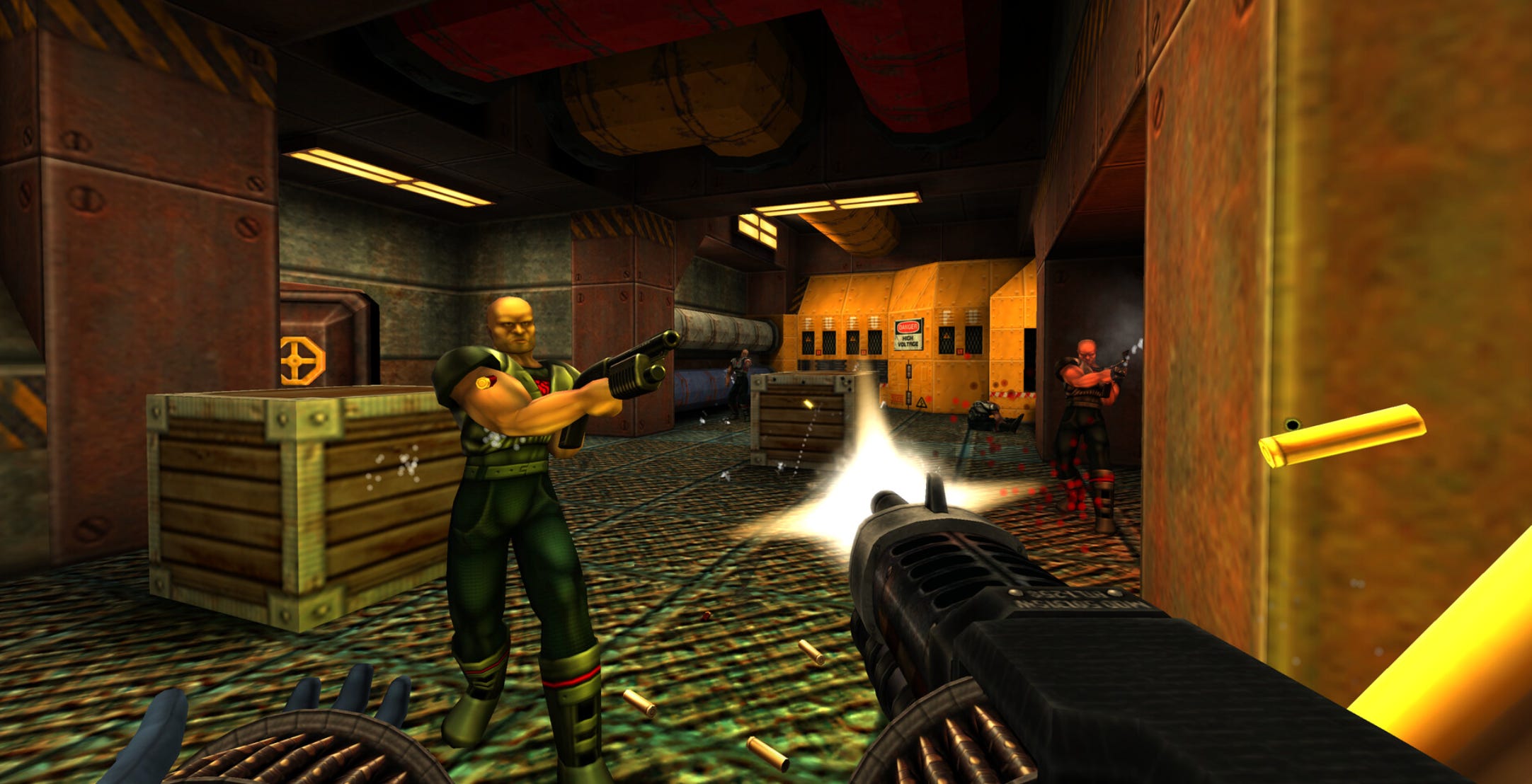
The remaster studio behind Quake and System Shock has found it much easier to sign games since it was bought by Atari in 2023
On The Game Business Show this week, we did one final interview with Nightdive’s business development VP Larry Kuperman ahead of his retirement. Kuperman is a famous face in the world of retro games, and we asked him about his experience in securing the rights to old games.
“It’s certainly been easier post the acquisition of Atari,” he said. “Atari gives us a certain amount of gravitas. Although there may be some people in obscure corners of the world who haven’t heard of Nightdive, they’ve all heard of Atari.”
We spoke to Kuperman after he showed us Nightdive’s remaster of Sin, which was initially planned for 2021, but is now set for later this year.
“Sin is a property that we acquired. Because we acquired it, and there was no outside agency, we didn’t have to promise anyone. So, it kept getting pushing back because we had opportunities to do little games like Doom and Quake, and obviously our System Shock game. But this is one where I felt we really owed our audience.”
That’s it for today’s bumper newsletter. We will be back tomorrow with our March market report (that’s for paid subscribers only). And join us next week where we will interview IO Interactive boss (and 007: First Light director) Hakan Abrak. Thank you for reading.


