


Listen now on Apple, Spotify or YouTube
In This Edition,
- We speak to a UK politician!
- How do you fix Xbox Game Pass?
- The Game Business Live speakers revealed
Hello! Welcome back to The Game Business.
It’s a busy one this week. We are announcing our speakers for The Game Business Live in Los Angeles, with EA’s Laura Miele, games legend Jason Rubin and leading analyst Matthew Ball taking to the stage on June 8. Tickets are available now (and paid subscribers can come for free). Full details are below.
Our guest this week is UK government minister Ian Murray, who talks about supporting game studios, and the impact of Grand Theft Auto on the British industry. And we dive into the future of Xbox Game Pass following reports that Microsoft is set to cut the price, having only raised it six months ago.
You can watch or listen to it all above, or read the highlights below. Enjoy!
UK minister: It’s not a problem that Grand Theft Auto isn’t UK-owned
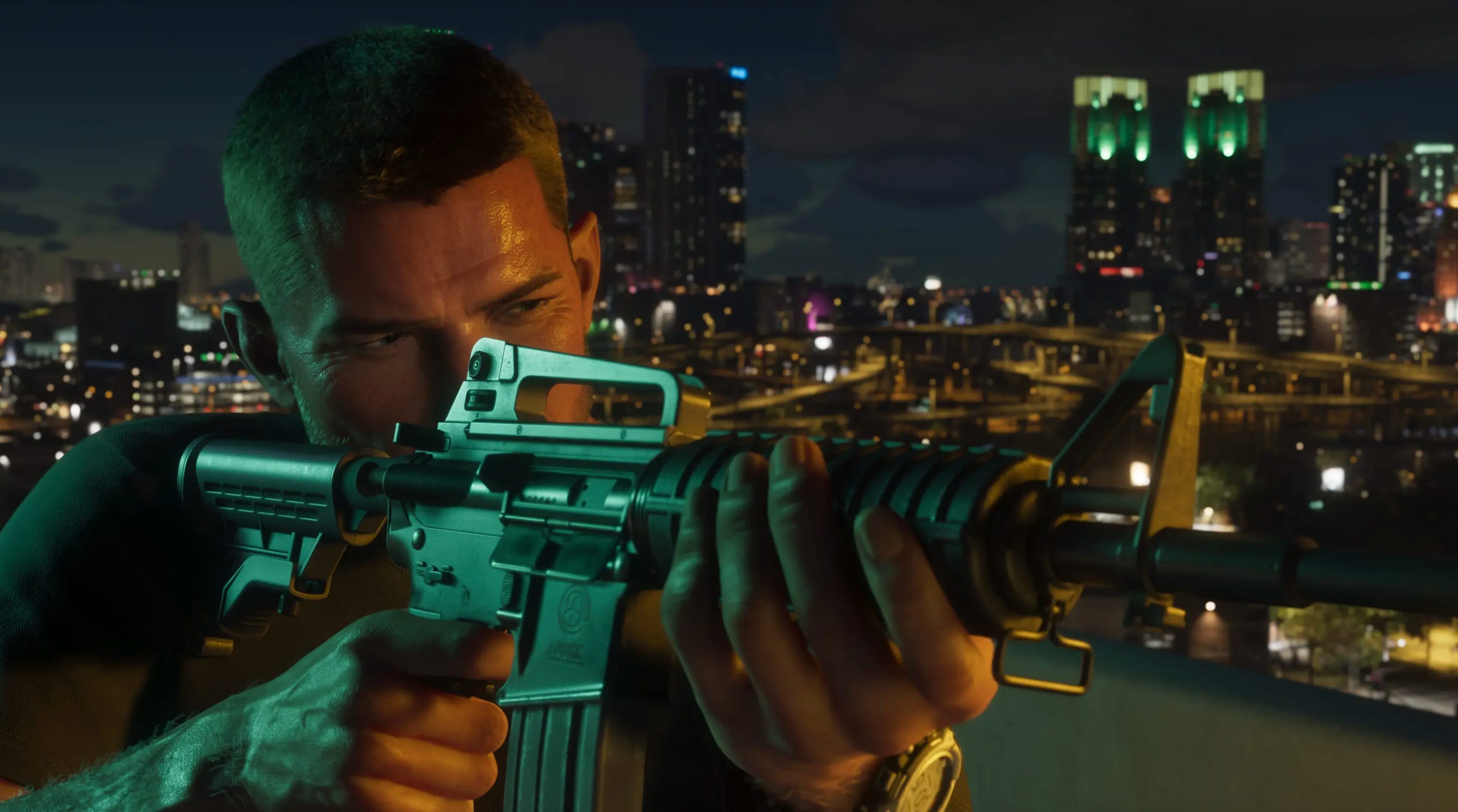
Grand Theft Auto being made in the UK has had a huge impact on the local video game industry, says the UK’s Minister of State for Culture, Media and Sport.
Ian Murray was talking to The Game Business to launch a £28.5 million fund for UK developers that want to get new ideas off the ground. And we discussed how 2026 is shaping up to be a banner year for British games, with titles such as Grand Theft Auto 6, Forza Horizon 6, Fable, LEGO Batman: Legacy of the Dark Knight, Star Wars: Galactic Racer and 007: First Light all scheduled for this year.
However, the majority of those games are not UK-owned, with US firms such as Take-Two, Warner Bros and Microsoft in charge. Is this a problem for the UK?
“Only partially,” Murray told us. “I’ve been to Take-Two in Manhattan and all they talk about is that Grand Theft Auto 6 is being built in Scotland, essentially. You gain from the jobs. You gain from the skills. You gain from the economic activity. You gain from the prestige. I suspect when you talk about other titles like Fable and LEGO Batman, I wonder whether they would be as successful or be as made in the UK if Grand Theft Auto wasn’t the title that it is, and people know that it’s made here.
“Yes, you want the IP to stay in the UK. But actually, for us, in terms of the sector plan, the jobs, growth and the skills, having [these games] made here is a big, big part of that.”
Murray said the issue is not exclusive to video games.
“Paddington is owned by a StudioCanal in France. The refugee bear from Peru, that came into Paddington Station and eats marmalade sandwiches, is owned by the French. But a lot of the economic activity around that is benefiting people here in the UK.
“It’s not ideal. We’d obviously prefer the perfect. But let’s not let the perfect get in the way of the economic activity that these games have. Grand Theft Auto 6 will probably be the largest launch of anything this year.”
He added: “It’s always been a difficulty because there’s always an exit strategy. And that exit strategy for the owners, for the creators, is often selling out to one of the bigger companies, of which some, like Take-Two, are not based here. So, yes, it is a challenge, but we shouldn’t look the gift horse in the mouth of being the creators and having the skills to make great games.”
The new £28.5 million fund is part of an effort to develop more home-grown IP. The fund includes financing for exploring new ideas, building prototypes, and getting games to that initial commercialization stage.
“Hopefully we’ll get some really good people who want to enter the industry as the developers of the future. People who have ideas, but they’ve never really been able to push them on. And then some people who’ve got the idea and prototype, but they want to get it to the next stage,” Murray said.
Elsewhere in our interview:
Ian Murray believes the UK industry should speak with ‘one voice’ if it wants to secure the same financial support as the TV and movie industry. “The gaming industry is a bit more fragmented. The TV and film industry have been around for a long time. It tends to, as a sector, speak as one voice regardless of who you speak to.
[Video games] is a relatively fledgling industry. But it’s doing really well […] it’s growing very quickly and I think that things will certainly catch up.”
I asked Murray if concerns around online safety, and areas such as loot boxes, make it harder to secure support from government. Not at all, he said.
“It probably helps. All of these issues that you’ve raised, they are concerns not just for government and the public, but for industry.
“There’s nobody in the gaming industry that wants to harm children. There’s nobody in gaming that wants loot boxes to be ripping people off. There’s nobody in the industry that wants games influencing young people to do bad things. Nobody wants that in the industry. Nobody wants that in government. So, it’s important to have a partnership about how we resolve some of those issues. And of course, when you’re talking about these issues, you always go to extreme case studies to make the point. But actually, the good guys always do the right things, and the bad guys always do the bad things. And it’s up to us to find that balance of how you regulate properly to protect audiences and to make sure there’s a level playing field for the good guys.”Last year, when Clair Obscur: Expedition 33 won numerous awards and sold millions of copies, the French government celebrated it by awarding its developers with knighthoods. Why doesn’t the UK celebrate its successes in the same way?
“If we were the US, we’d be puffing out our chest, putting up the flags and marching up and down the main street championing what we do,” Murray noted. “We have traditionally not done that from a cultural perspective. Let’s go and puff our chest out and try and be a little bit more bombastic about how good we are at this stuff and sell ourselves a bit better.”
Check out our full interview above.
How do you solve a problem like Xbox Game Pass?
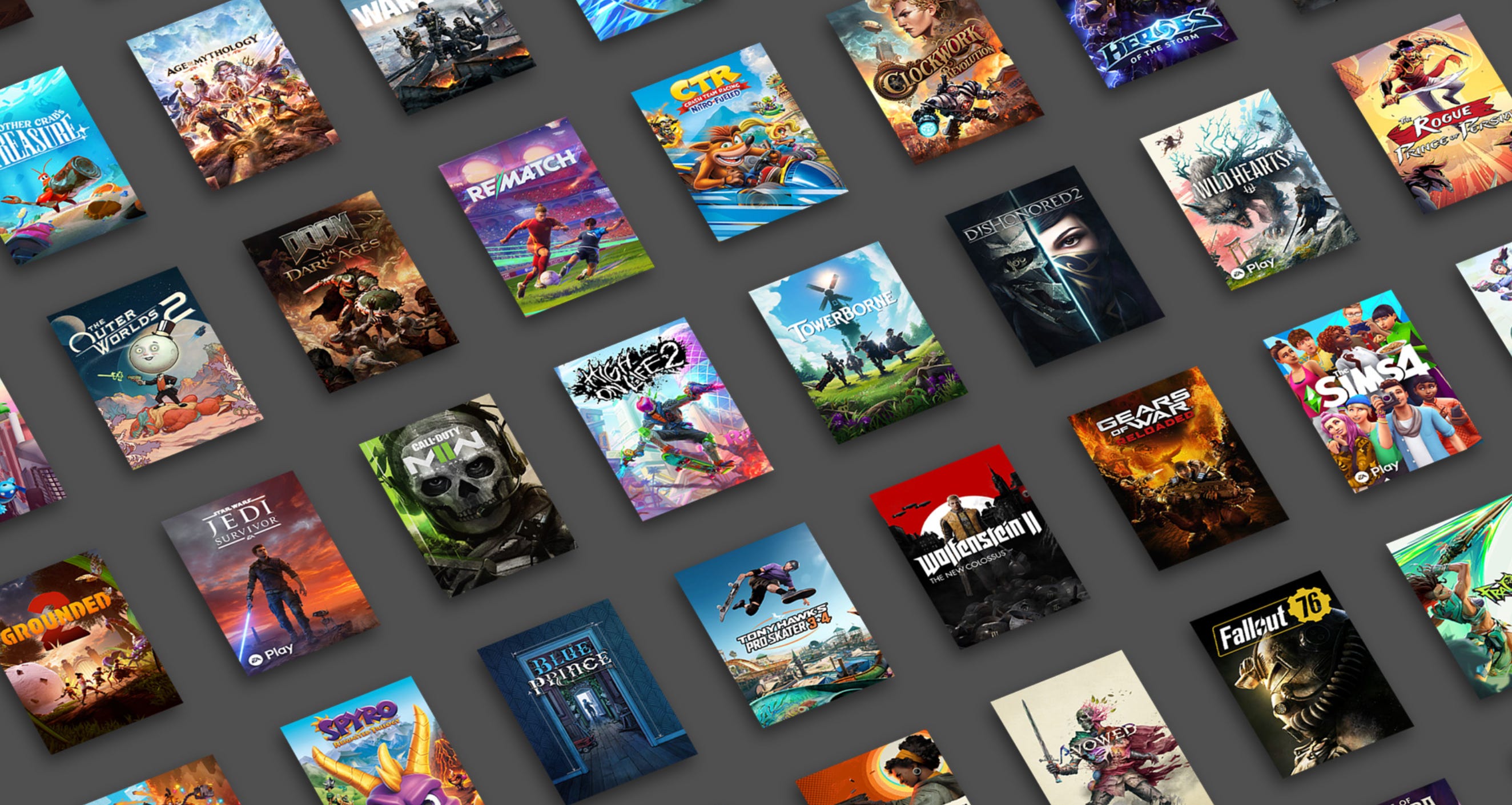
The big story this week is that Xbox is set to change the pricing on Game Pass. Again.
This time the subscription service will receive a price cut, just over six months since its whopping 50% price hike in October last year. The catch? Brand new Call of Duty games could be excluded from the service (or at least will need to be added on).
A drop in users was inevitable after that initial hike, but Xbox would have expected a rise in revenue overall. Xbox boss Asha Sharma reportedly told staff that Game Pass had become ‘too expensive’, so presumably it’s lost more players than anticipated.
Unfortunately, lowering the price won’t instantly win those players back. There’s a re-convincing job that needs doing, although with an upcoming slate of Forza, Fable, Gears of War and Halo, it’s at least got the software to make a compelling case.
However, a price change is a short-term fix. There’s a longer-term reckoning that needs to happen with Game Pass.
Regular readers will know I’ve had my doubts about the subscription service. In 2018, Microsoft made the disruptive decision to put all of its games into Game Pass, including brand new AAA titles. That proposition is now only available to subscribers of the ‘Ultimate’ tier, but it remains Game Pass’ unique selling point.
There is clearly an audience of hardcore Xbox players that wants this. And according to Microsoft, because of Game Pass, that audience is playing a wider variety of games, and spending more, too. That’s a good thing.
However, for Game Pass to truly succeed long-term, it needs to go beyond the hardcore. The problem is that most gamers don’t play enough new games to justify the cost. According to Circana, only 15% of US gamers buy more than four new games a year. Game Pass Ultimate has an annual cost of $360, which is the equivalent of over five $70 games. So, the math doesn’t add up for most players. A game subscription service doesn’t have the same appeal as a TV or music one, because the consumption habits are different.
Perhaps Game Pass could adopt a ‘credits’ system. Players subscribe and receive a certain number of credits to spend on games. A new Call of Duty will use a lot of credits, while an old classic will be much cheaper. It’s still a full buffet, just not ‘all you can eat’. It could work, but it sounds complex.
A simpler solution would be to jettison new releases entirely and adopt the PlayStation model, where you get a wide selection of back catalogue games but not new ones. I think there’s a legitimate argument around doing that.
“Xbox needs to find its focus. And I’m not convinced that’s Game Pass.”
It all comes down to this question: what does success even look like for Xbox? As a division it seems a little lost. Caught between being a major third-party publisher and a platform.
It’s also caught between being a video game company and a division of Microsoft. It’s easy for me to say that Xbox needs to get back to basics and just make some hit games, keep them exclusive to its platform, and stop trying to disrupt everything all the time.
But Microsoft doesn’t want Xbox to spend its energy fighting for second place in the PC and console market. That cannot be the ambition. That not why it spent $70 billion on Activision Blizzard.
So, what is the ambition? Is it streaming? Is it subscription? I don’t believe either of those are the future. And judging by the cuts at Amazon (and before that, Google), Microsoft’s big tech rivals don’t seem to believe it is, either.
The Game Pass experiment has caused some damage. It’s eroded the margins on Xbox’s first-party games to such an extent that it’s had to publish them on PlayStation and Steam, undermining its platform business in the process.
Xbox needs to find a purpose. A goal it can point its considerable talent and resources at. Right now, it’s trying to be a subscription business, a major third-party publisher, a digital retailer, a streaming platform and a console. That’s a lot, and many of those areas get in the way of each other.
Xbox needs to find its focus. And I’m not convinced that’s Game Pass.
EA’s Laura Miele and game legend Jason Rubin headline The Game Business Live
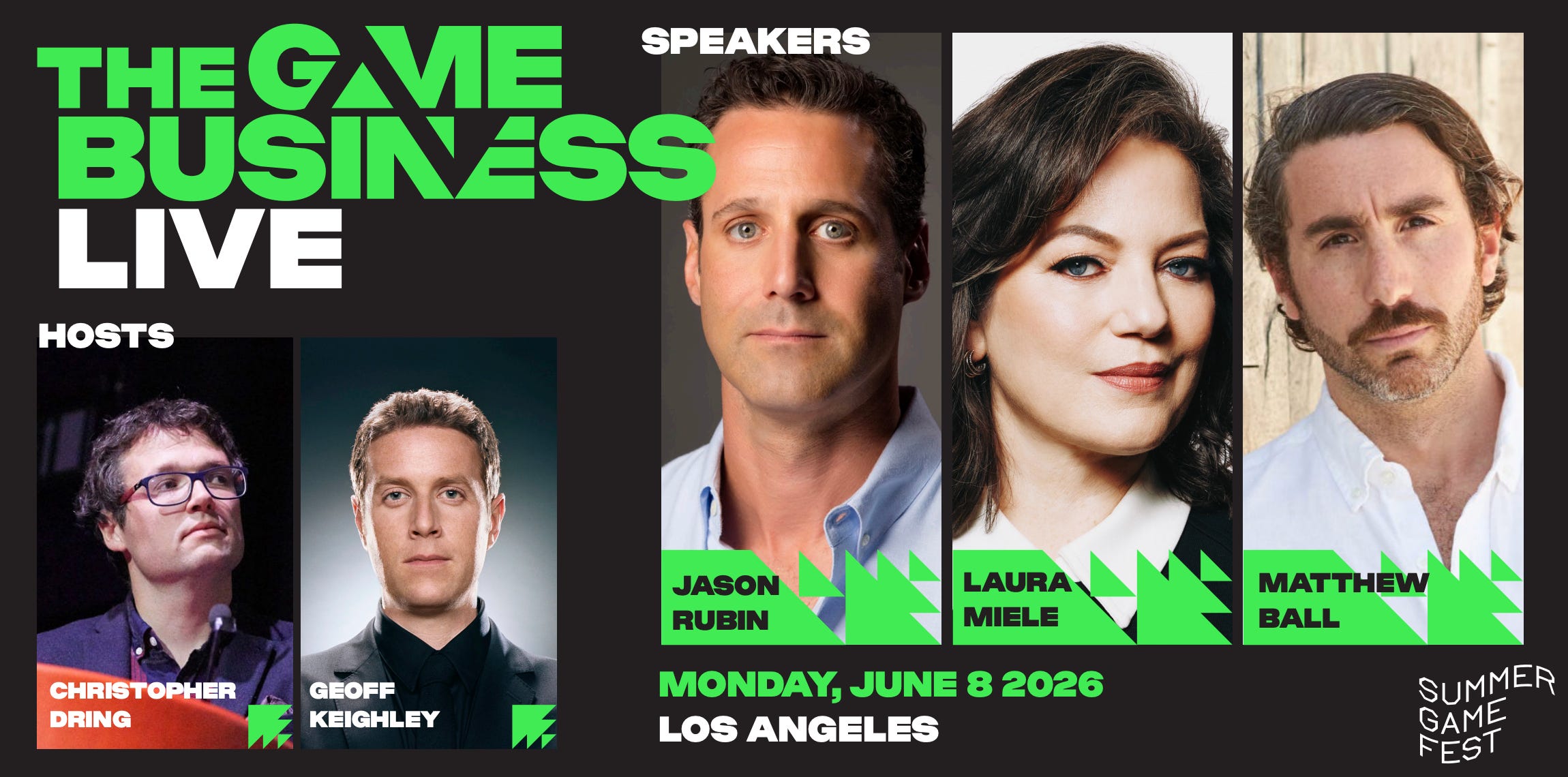
EA Entertainment president Laura Miele, video game legend Jason Rubin and leading analyst Matthew Ball will headline The Game Business Live this June. Tickets are available now.
The event takes place on Monday, June 8 at The Grammy Museum in Downtown Los Angeles, hosted by Christopher Dring and Geoff Keighley. It is part of the Summer Game Fest program of events.
The Game Business will conduct live on-stage discussions with Miele, Rubin and Ball. Ball will discuss the state of the industry, and react to some of the key reveals during Summer Game Fest. Meanwhile, Rubin will look back at his huge career in games, from co-founding Naughty Dog and directing Crash Bandicoot, to stints at THQ and Meta.
We will also sit down for an interview with Laura Miele, who leads EA Entertainment, which oversees major franchises including Apex Legends, Battlefield, The Sims and Skate. Miele has spent over 30 years in video games, with a proven track record in developing creative teams and delivering business results.
Paid subscribers to The Game Business can attend The Game Business Live as part of their subscription. Check your inbox on how to register to attend.
Alternatively, tickets can be purchased separately through here.
Finally, Summer Game Fest: Play Days Industry Day badge holders will also be eligible for access to The Game Business Live as part of their purchase. Summer Game Fest: Play Days is an invite-only event that will feature hands-on experiences from the industry’s leading publishers and developers. Video game industry professionals interested in attending Industry Day (June 8) can apply for consideration here.
Interested in sponsoring The Game Business Live? Please contact info@thegamebusiness.com
Meanwhile…
Roblox is launching a new subscription service: Roblox Plus. Beginning April 30, Roblox Plus will cost $5 a month and offers discounts on in-game items and other ‘exclusive’ benefits. Roblox will cover the cost of the discounts so it doesn’t impact the revenue for creators.
Sticking with Roblox, the company is adding two new accounts for minors: Roblox Kids for children between five to eight, and Roblox Select, for ages nine to 15. The new accounts, which launch in June, will align content, communication options, and parental controls with an age bracket. Roblox is also adding new parental controls including the ability to block specific games, manage direct chat, and approve games that are not otherwise available to an age bracket. Roblox has come under criticism for not doing enough to protect young people online, and this is part of its on-going efforts to solve that.
PS5 hardware sales surged in the US during the week ending April 4, according to Circana’s retail tracking service. It comes just ahead of the console’s $100+ price rise. “US spending on video game hardware for the week nearly doubled when compared to the same week a year ago,” wrote Circana senior director Mat Piscatella.
The UK video game market reached £8.7 billion in 2025, according to the trade body UKIE. Software sales grew 7% to £6.03 billion, hardware sales increased 3% to £2.17 billion, sales of game-related films, TV shows, and soundtracks increased 70% to £159 million, while toys and merchandising rose 43% to £333 million.
According to data leaked by a hacking group, Grand Theft Auto Online is generating around $1.3 million a day. It matches analyst estimates that the Online mode makes around half a billion dollars a year. Take-Two’s share price rose as a result of the leak.
That’s it from us today! Join us next week for more news, analysis and interviews.


