


Listen now on Apple, Spotify or YouTube
In This Edition,
Troy Baker on…
- Telling his own stories
- The threat of AI
- Working with indies
- Promoting video games
Hello and welcome to 2026. Let’s make this a good one, shall we?
Rather than dive straight into numbers and market analysis, I’m going to go easy on you. Well… easy-ish.
A few weeks ago, I sat down with Troy Baker, who had a tremendous 12 months with acclaimed roles in Hideo Kojima’s Death Stranding 2: On The Beach, and as the title character in Indiana Jones and The Great Circle.
During our chat, we covered some business topics, including AI, the rise of indies, and the role of actors in video game marketing. But we also talked about games as an art form, the importance of trust in a constantly-shifting industry, and how learning is key to maintaining a strong career. I found the conversation inspirational, and maybe you might, too.
You can watch or listen to the full interview above (including on YouTube and all the podcasting platforms). Alternatively, I’ve selected some of the highlights below.
Enjoy!
Troy Baker: I want to make my own games
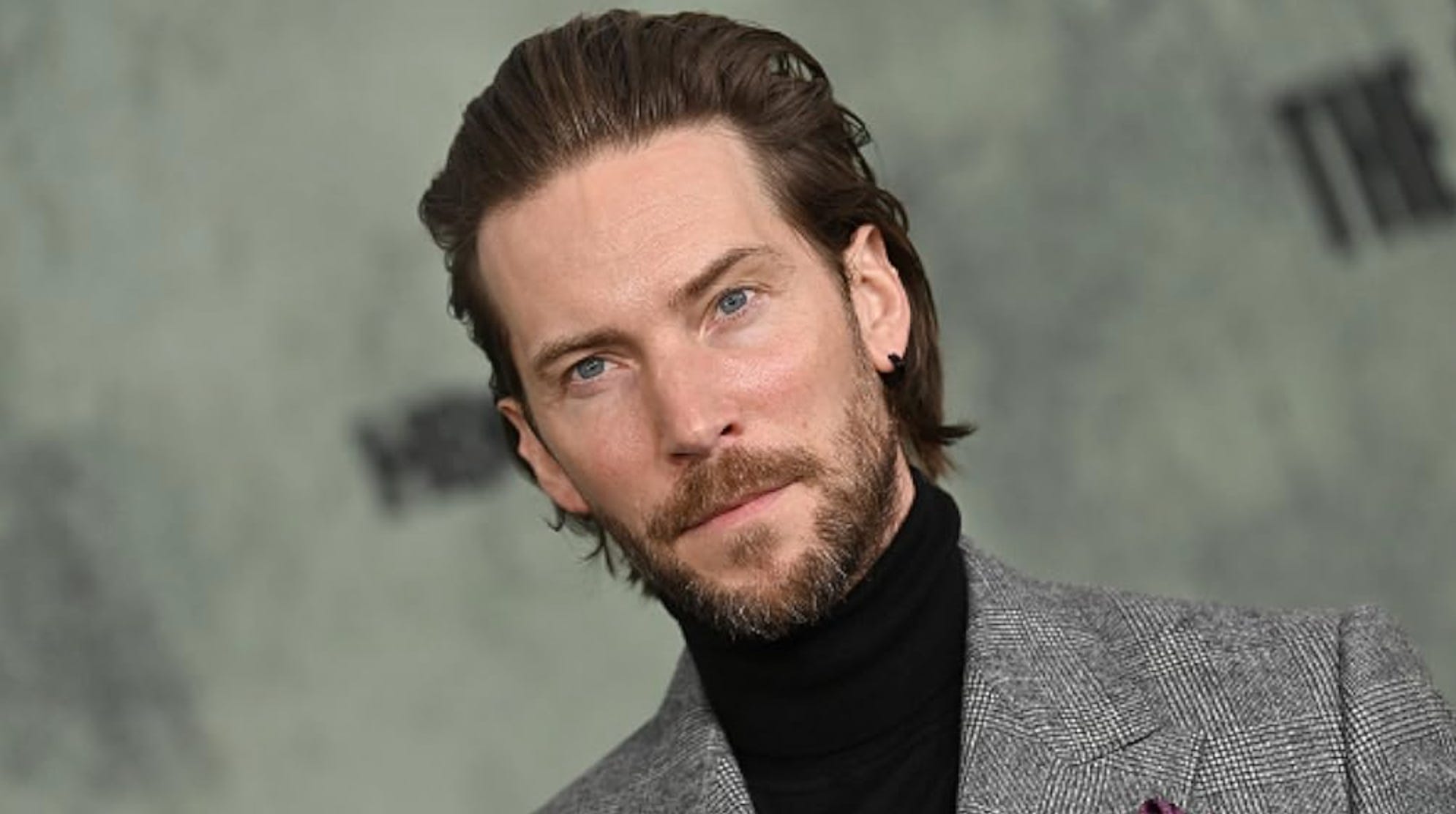
Troy Baker is one of the most highly decorated actors working in video games. From Joel in The Last of Us, to Indiana Jones himself, he has played numerous iconic roles and worked alongside some of the biggest leaders in game development, including Neil Druckmann, Hideo Kojima and Ken Levine.
So, I had to ask, what’s left for him to achieve?
“I have had the wonderfully auspicious opportunity to work with, without any exaggeration, the best in the business. The best writers, the best directors, the best creators, the best animators,” he tells me in today’s edition of The Game Business Show. “And those experiences have left me inspired and have presented the gauntlet of opportunity to go and make something that’s my own.
“People say this all the time, it’s become like bumper sticker philosophy, but I’m a storyteller at the end of the day. That’s all that I am. If I’m limited to being an actor, then at some point that train’s going to pull into the station, and it’s been a hell of a ride and I have no complaints. If tomorrow they go, ‘that’s enough of you’, what have I not done? I’ve played more iconic characters and have had more deeply fulfilling roles and accolades, and everything else. I have zero complaints. But the thing that’s on the horizon for me now is, how do I tell my own stories? I’ve helped people tell their stories; how do I get people to help me tell mine? And there’s great conversations that I’m having now about what that could potentially look like.”
And Baker wants to be clear that he wants to tell those stories through video games.
“I’ve never looked at video games as a stepping stone,” he says. “They are the end point. And there’s definitely stories that I want to tell inside this medium.”
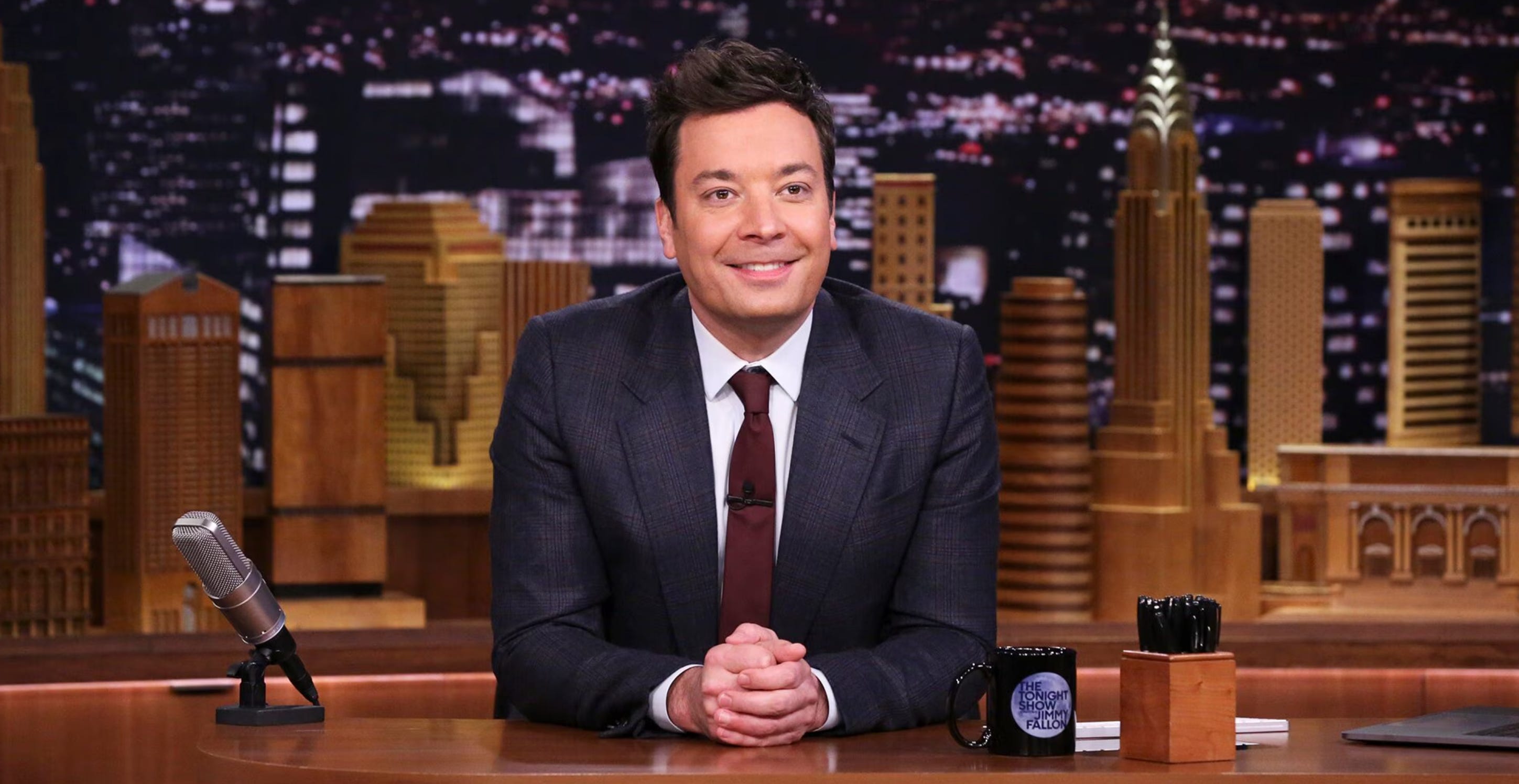
Could we see video game actors on Jimmy Fallon?
I’ve worked on numerous Comic-Con events down the years, and video game actors are a big draw. A panel featuring the cast of Clair Obscur or Baldur’s Gate or The Last of Us never fails to bring in a huge crowd. And fans will spend big money for a chance to meet these performers and get pictures with them.
But what about the games themselves? Are performers like Troy Baker becoming a reason why someone might buy a game in the first place?
“People are very kind and they come up to me and go, ‘Hey, I bought that game because you’re in it’,” Baker starts. “But… there’s a formula attached to the Tom Cruise name, right? We can predict within a certain percentage, plus/minus, that Tom Cruise in a movie equals X amount foreign, X amount in theaters, X amount in secondary windows, like streaming… I don’t think that model applies to video games, and I’m kind of grateful for it.
“If I’m responsible for the success, that means I’m also responsible for the failure. And I can’t think about those factors. I struggled with this on The Last of Us Part Two, which was to come in under the auspices of massive success.”
Nevertheless, actors are recognisable, and often good talkers with interesting stories. The Hollywood industry leans on its acting talent to promote its films, so what about the idea of seeing video game performers on chat shows like Jimmy Fallon or Graham Norton?
“It’s funny man. My buddy is the producer with Conan O’Brien, and Conan was very cool to have The Clueless Gamer,” Baker says. “There’s still this delineation somehow with Hollywood, where they look at video games as… not necessarily a lesser art form, because most of the people that are making TV and film are gamers themselves, but I do think that there’s certain things right now where they go, ‘we don’t understand it and so we’re just going to keep it over here’. It’s somehow sequestered into its own thing. It’s still shrouded in mystery, and there’s still this perception of who those people are that play games.
He continues: “It’d be fun [to appear on Fallon]. I would love to see who that first person would be. Obviously, Norman [Reedus, who starred in Death Stranding] did all the talk shows. But it was like, ‘we’re here to talk about Walking Dead. But also what’s this game thing that you’re doing?’
“So we’ve seen that happen. Someone like maybe Rahul Kohli [a TV and movie actor who is in the upcoming Saros game]. That’s a clear person where, we know you from this thing, but come talk to us about this game that you’re in. That would be cool. I’d just love to see Rahul squirm on Jimmy Fallon. That’d be funny.”
‘AI will drive people to be authentic’
One of the big conversation points with video game performers today is around artificial intelligence. The SAG-AFTRA video game actors strike, which ended last year, was about protecting members from AI use. And game developers are already working with AI technology to simulate voice acting.
However, Baker isn’t too fearful over AI, and actually believes there may be some upsides.
“AI can create content, but it cannot create art. And the reason why is because that invariably requires the human experience.”
“There’s a fundamental premise to making art that people are not remembering right now, and it’s that it requires artists,” he explains. “People go, ‘look what AI can do’. It’s like, ‘yeah, okay. I see what it’s capable of doing. It doesn’t matter.’ And we don’t need to diminish it, we don’t need to denigrate it, we don’t need to demonize it. We need to just go, ‘okay, it’s there’. But it still doesn’t remove the choice for me as a performer, as a producer, to go, ‘but I choose to do this’. For the last 2,500 years since we first set foot out onto a stage, humans have been doing this. So maybe we trust that. Maybe we trust that this will be part of the process.
“Now, I think the people that are afraid are the people that are dealing in the business of content. There is no doubt that AI can make content way better than humans. By far, it can crank it out no problem. The videos that we’re seeing of like, ‘Hey, you want to see what it looked like to be at the Gettysburg Address?’ Sora can do that in a matter of minutes, seconds. It can create content, but it cannot create art. And the reason why is because that invariably requires the human experience.
“What I see happening is that this birth of AI, and this burgeoning industry of it, is actually going to drive people to the authentic. And we’re going to see opportunities of like, ‘I want to go and watch this person sing this song live.’ ‘I want to see theater’. ‘I want to read books’. ‘I want to have this first-hand experience as opposed to the gruel that gets distilled to me through a black mirror’. I think that it’s a good thing. It’s a revolution.”
Baker: The game industry needs to have more trust, and less fear
During our chat, I asked Baker what he felt was the biggest issue facing his profession today. His answer? Fear.
“The biggest problem that we have right now, and this is not just in video games, this is across the board, is fear,” he tells us. “We are not wanting for sources of fear, and we are anaemic with sources of faith. There is so little trust. And I think we’re starting to see that in the material that’s being presented to us, because it’s got to be a known commodity. Let’s just keep reiterating on this thing. Let’s just keep cranking out sequels. Or let’s reboot this as opposed to trusting that a new idea is really what we want.
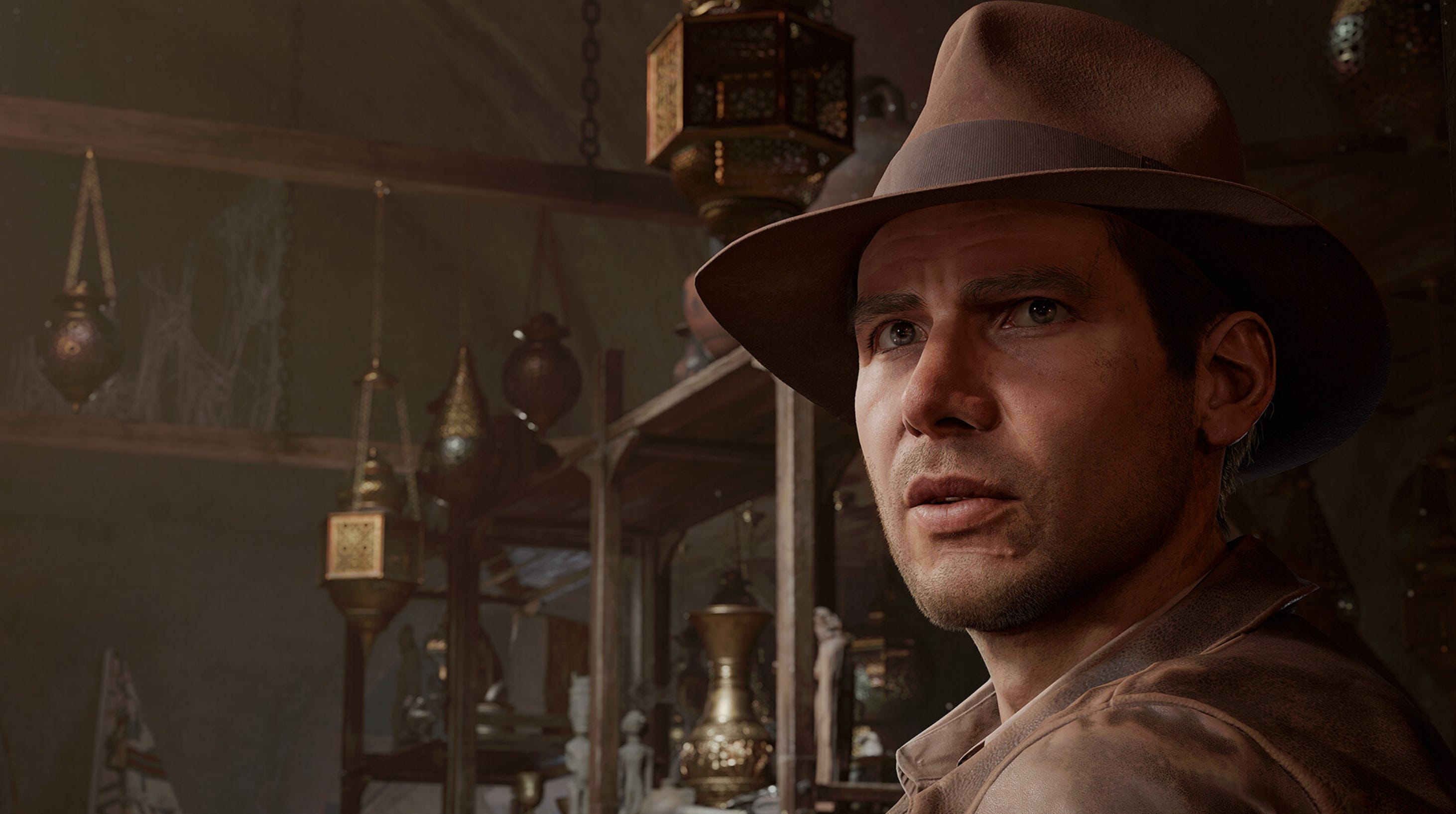
“Even if it’s something that we’ve seen before. [Indiana Jones] is not rehashing anything. It’s a new idea. It is being presented within the framework of something that’s familiar, but there’s a huge amount of risk. Will people accept someone besides Harrison Ford as Harrison Ford? Will you accept this story as canon? As something that feels like it fits into this world? Huge amounts of trust from not only Bethesda, but also Lucas, MachineGames and me.
“Where there is trust, there is invariably going to be a higher product. No greatness comes from fear. Oppression comes from fear. A diminished version of something comes from fear. But when there is an abundance of trust, that’s when we are inspired and that’s where we are like, ‘oh my gosh, what a great thing’. But you have to have trust.”
He wants to help indie studios succeed
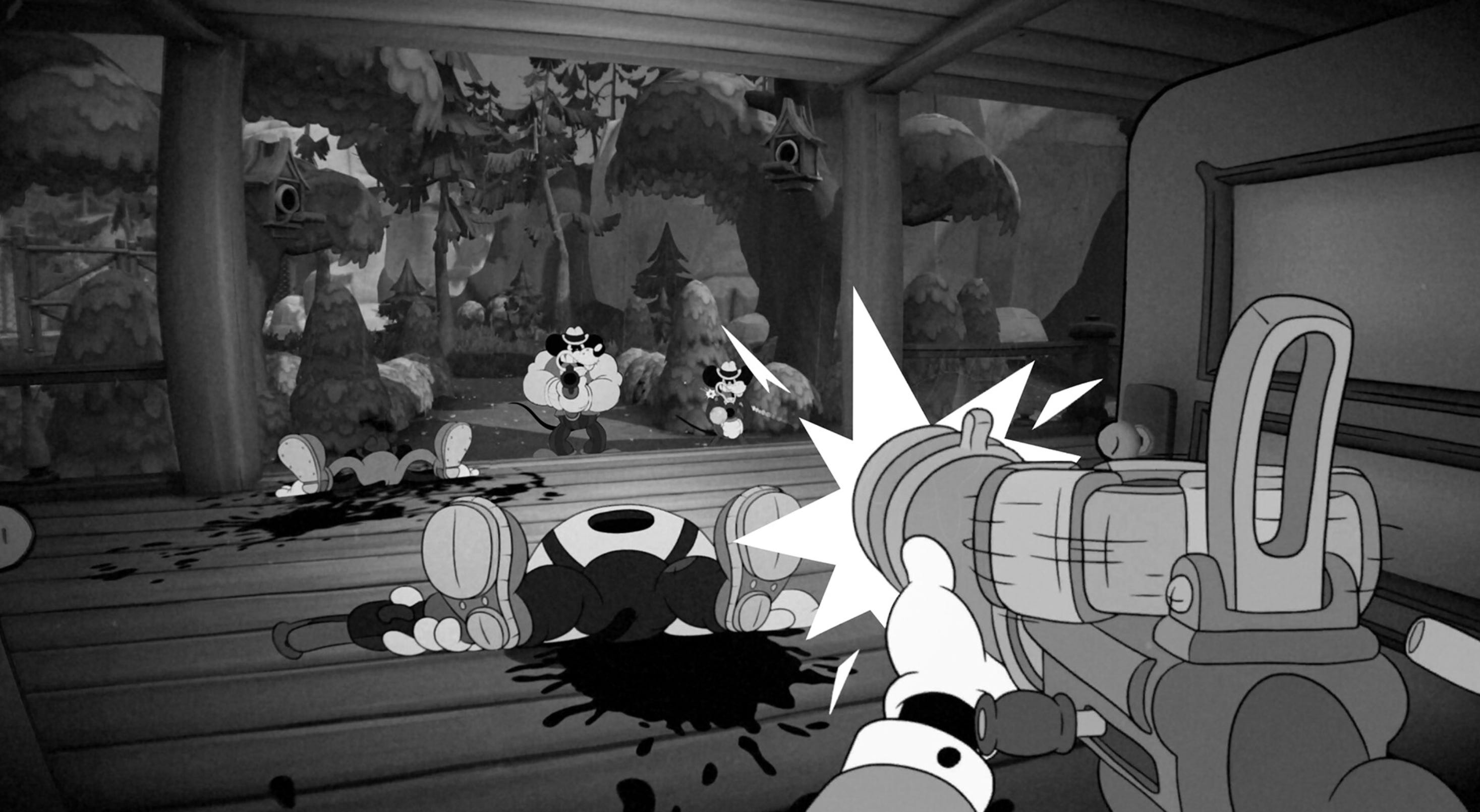
Troy Baker may be known for his work in high budget, AAA productions, but he isn’t averse to appearing in smaller, more unusual titles, either. Last year he appeared in the game Date Everything, and in 2026 he has a starring role in the story racing game Screamer (from Milestone) and Cuphead-style first-person shooter Mouse: P.I. For Hire (from Fumi Games).
“I look at indie projects and I go, ‘I want to see you succeed’,” he says. “I want to be a part of that. And there’s some great titles that are coming out next year. You’ve got Screamer, that’s a small studio that is really, really being ambitious. There’s not a lot of story driven racing games, right? And you also have Mouse: P.I. For Hire. I’m over the moon about this game. Talk about an incredible studio. These guys are crushing it. They know exactly what kind of experience they want, and they’re open as partners and collaborators.”
He points to the Mouse P.I. game as a project he was desperate to join.
“Those guys really know what it is they want. If it’s a first-person shooter, it’s got to grab my attention. And they did a good job with that. This was interesting. This is novel. And the animation style specifically really spoke to me. And then once I started talking to them about what the tone was going to be, I’m like, ‘please, please let me do this’. Because it’s really hard to do comedy in video games.”
That’s it for today’s edition. You can check out the full interview with Baker above, where we also discuss numerous other topics, including Kill Bill in Fortnite, and why he doesn’t watch his performance back until after the game launches.
We will be back on Thursday with our first news and analysis show of 2026. Until then, thank you for reading.


