


We’re celebrating one year of The Game Business by offering 20% off paid subscriptions. Paid subscribers receive a bonus weekly podcast, plus a monthly market report. Click here for more.
Listen now on Apple, Spotify or YouTube
In This Edition,
- Big cuts at Epic
- How is Switch 2 performing?
- VR discovery boost
- We celebrate one year of The Game Business!
Hello and welcome to our anniversary edition of The Game Business.
We have been around for an entire year, and to mark the occasion, we have Game File reporter Stephen Totilo on today’s episode of the Show. Stephen was our very first guest back in March 2025, and it’s great to have him back.
Today, Stephen and I discuss Nintendo’s current performance, Epic’s shock lay-offs, and the positive impact of Meta removing Horizon Worlds from the Quest Store.
You can watch or listen to the whole thing above. Or, of course, I have all the relevant stories and data from the Show in our articles below.
Enjoy!
What’s really happening with Nintendo Switch 2?
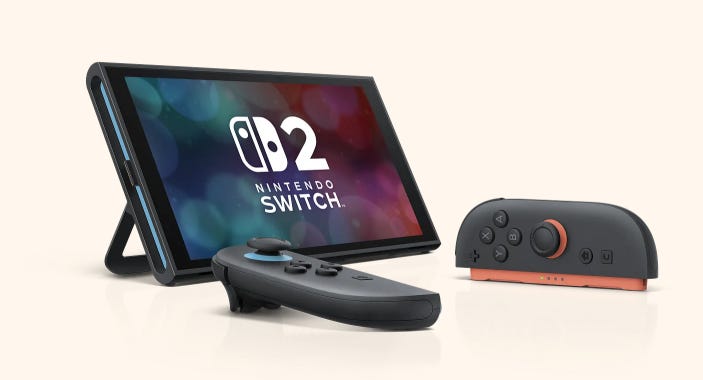
There are mixed messages surrounding how the Nintendo Switch 2 is performing.
We know it had a record-breaking console launch, which caused Nintendo to raise its projections. And there have been numerous hit games on the platform. Switch 2 exclusive Pokémon Pokopia arrived earlier this month and sold 2.2 million copies in under a week.
But then came our report earlier this year, which revealed that Switch 2 (outside of Japan), had a relatively soft Christmas. Nintendo confirmed this, revealing that international sales were “somewhat weaker than expected” in recent financial comments. And this week came Bloomberg’s report that Nintendo had reduced current Switch 2 production from six million to four million units.
So what’s the truth? In today’s edition of The Game Business, I’m going to dive into the numbers behind Switch 2.
Isn’t Nintendo Switch breaking records?
Yes. It was immediately the fastest selling games console in history when it launched in June last year, and continues to trend ahead of the original Nintendo Switch worldwide.
For the first nine months on sale in the US, Switch 2 is 45% up over Switch 1, and even 29% up over PS5 (Circana). Only the Game Boy Advance has sold faster than it. In the UK, Switch 2 sales are up more than 20% launch aligned compared with Switch 1 (Nielsen IQ).
In Japan, Switch 2 has shifted over 4.8 million units in just over nine months. By comparison, it took 17 months for Switch 1 to reach that same figure (Famitsu). The console has even sold half a million units in China (Niko Partners).
So why are people concerned?
After an explosive start, Nintendo Switch 2 sales are not quite hitting the heights they were at launch, at least in the West. Over November and December in the US, Switch 2 sales were about 30% down compared to how Switch 1 sold during its first Christmas on the market (TGB sources). That has continued into 2026. For the first two months of the year, Switch 2 sales are roughly 20% lower than what Switch 1 managed during January and February 2018. At this pace, Switch 2 will eventually fall behind the Switch 1.
What’s more, the Switch 1 vs Switch 2 comparisons aren’t entirely like-for-like. Switch 2 was released in June, so the first nine months of its life include the crucial Christmas sales window. Switch 1 was released in March, so the first nine months of its life doesn’t include December.
Is this a problem?
Not necessarily, because there are flaws in comparing the launch of Switch 2 to the Switch 1.
Switch 2 was well supplied from day one, which led to a record-breaking first few months on the market. By comparison, Switch 1 was not well supplied at launch. As a result, Switch 1 sales were more spread out across that first year as more stock came to retail, while Switch 2 sales were more front-loaded.
The launch line-up for Switch 2 is also noticeably weaker, certainly compared with the first Switch. During Christmas 2017, Nintendo launched the smash hit Super Mario Odyssey. There was no such comparable game for Switch 2’s first Christmas, and we’re still waiting on many of Nintendo’s biggest franchises to arrive on the new platform.
So why are investors anxious?
There are some significant macro-economic challenges facing Nintendo (and the entire console sector).
In a talk from June last year, Circana games boss Mat Piscatella told The Game Business that according to its survey data, 44% of consumers were cutting back on non-essential items (such as games) due to concerns around rising prices of essential items (like food and energy). 46% also said they were putting off big purchases due to concerns about the economy.
In addition, rapidly rising component prices has put significant pressure on the profitability of Switch 2. This creates a challenging situation where consumers are looking for value, and Nintendo is limited in what it can offer.
The competitive landscape has also increased for Nintendo. From smaller rivals like Nex Playground, to Netflix’s family strategy and the dominance of Roblox, there are players vying for Nintendo’s family audience. Meanwhile, PC-based gaming handhelds like the Steam Deck and ROG Ally are targeting some of Nintendo’s more hardcore portable players.
How come things are better in Japan?
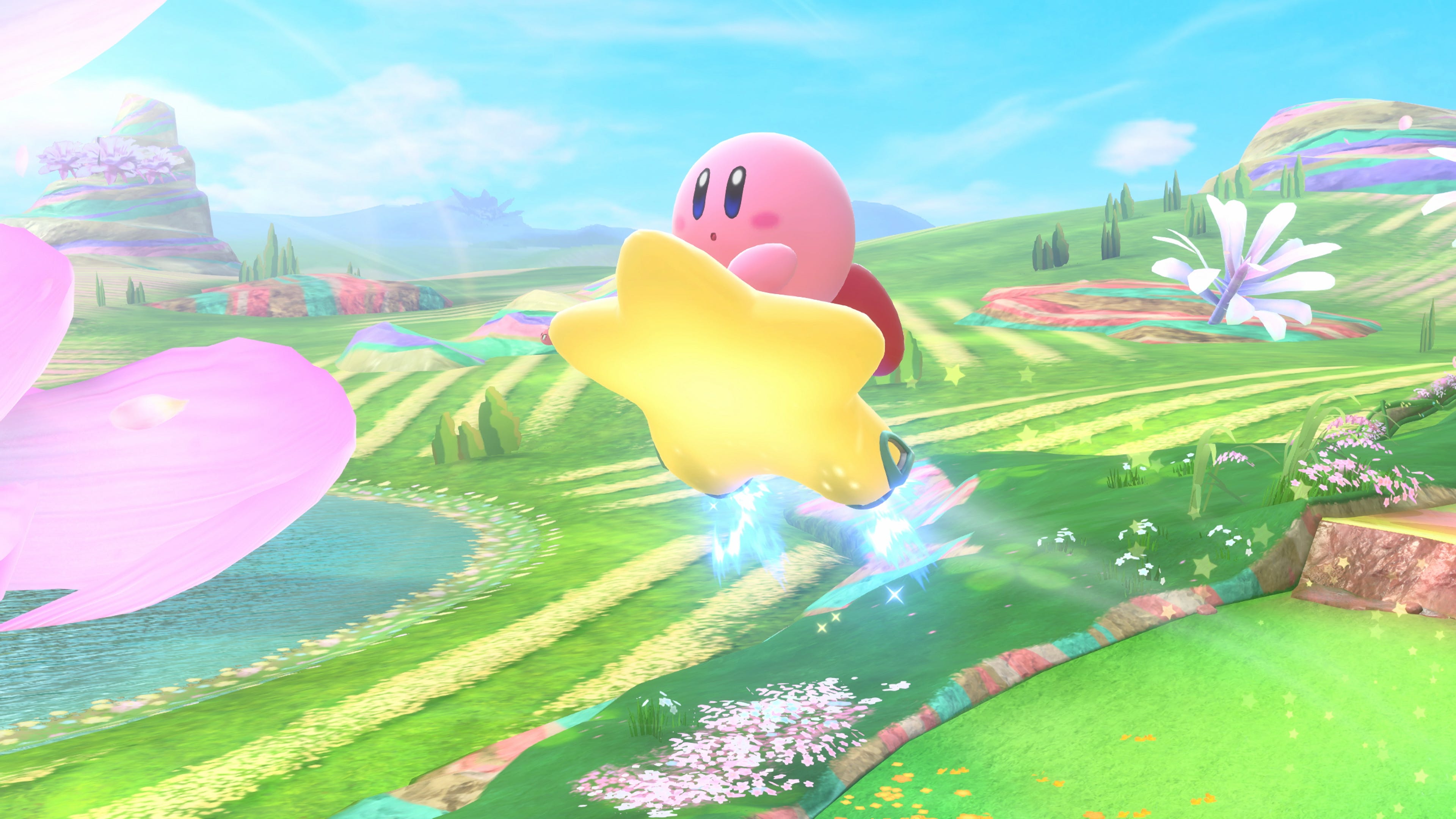
Japan is Nintendo’s strongest territory. The company had developed a lower-price model for the market, and the games that have come to Switch 2, such as Pokémon and Kirby, are strong performers in Japan.
Ok, what about the games?
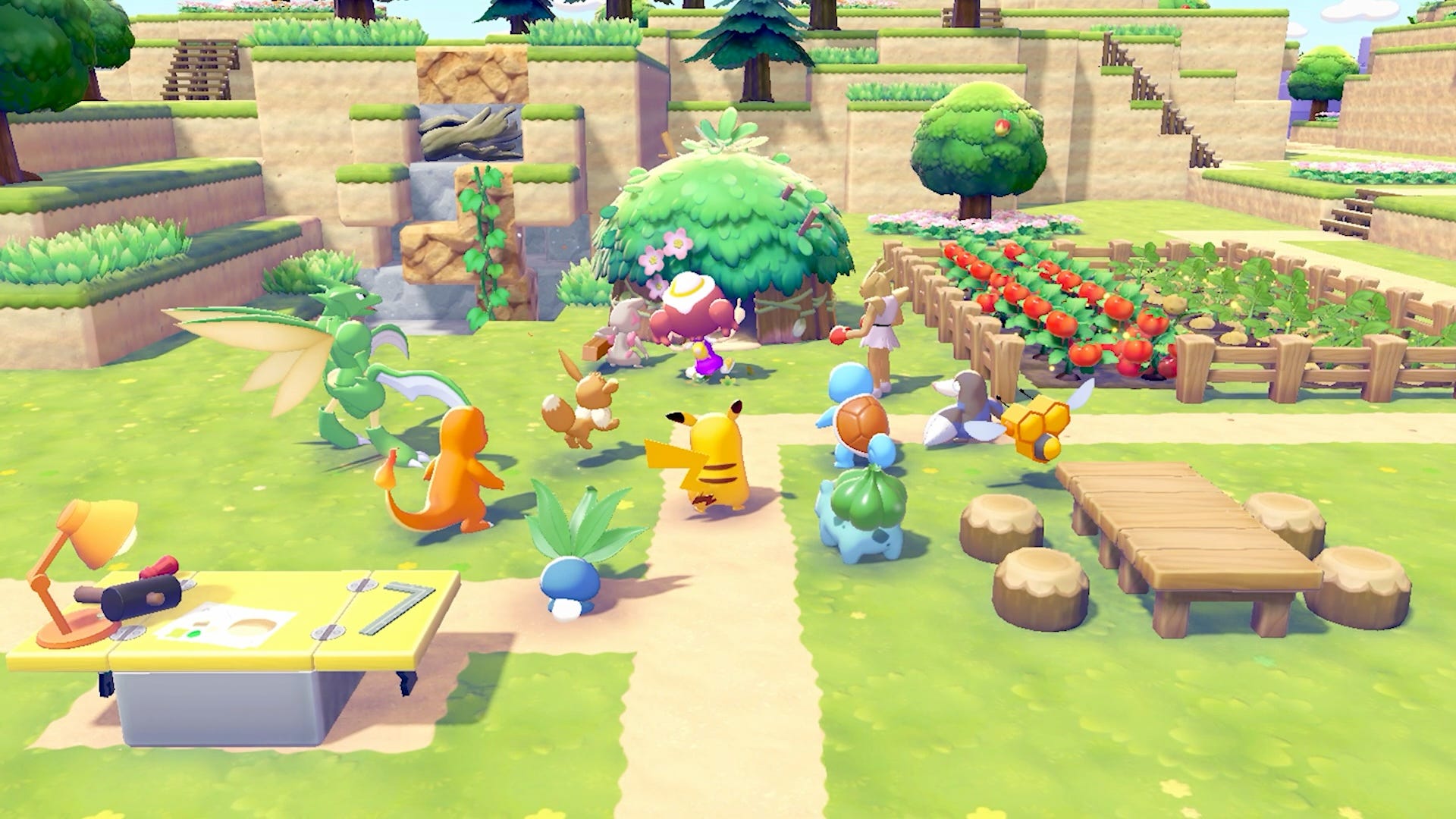
The picture here is muddled. Nintendo sold-in 37.93 million Switch 2 games during the console’s first seven months. By comparison, it sold 27.48 million Switch 1 games during its first seven months.
But the install bases are vastly different. Based on these numbers, the Switch 1’s launch attach rate was 3.7 games for every console sold, vs 2.2 games for Switch 2.
But it’s complicated. Unlike Switch 1, Switch 2 is fully backwards compatible. 84% of Switch 2 buyers (up until September 30, 2025) were also Switch 1 owners. This means that most early adopters already had a library of games to play, and some of them had been updated and improved for the new platform.
Also, between the launch of Switch 2 and the end of 2025, Nintendo sold between 90 and 100 million Switch 1 games, some of which will have been to Switch 2 players.
The data is inconclusive.
What about third-party games?
There is a myth that third-party games don’t sell well on Nintendo platforms. In reality, titles like Minecraft, LEGO, Hogwarts Legacy, Stardew Valley, Just Dance and Crash Bandicoot have sold significant numbers on Nintendo Switch.
Some more mature games sell well - Doom, The Witcher 3 and GTA all performed strongly on Switch – but the results are typically lower and less consistent.
Switch 2’s early third-party support has included Cyberpunk 2077, Star Wars Outlaws, Assassin’s Creed Shadows and Final Fantasy VII: Remake, which are games more commonly associated with PC, PlayStation and Xbox. And the early results are relatively low. Nevertheless, these are older titles, and it’s not unreasonable to suggest that many early Switch 2 customers already have access to these games on other devices. It comes down to expectations, and Ubisoft said Assassin’s Creed Shadows on Switch 2 beat its projections.
Resident Evil: Requiem is a more telling product, as it launched on Switch 2 simultaneously with other platforms. Looking at select European markets, we can see that roughly 5% of Requiem’s sales came on Nintendo Switch 2. It’s not a big figure, but 5% of a high selling product can still be significant and profitable.
Ultimately, people buy Nintendo consoles for Nintendo games. Therefore, the third-party titles that will perform best on Switch 2 will be ones that match that audience profile.
What do you think?
Nintendo has some real challenges, certainly in the short-term and particularly in the West. The macro-economic conditions are extremely tough and its release slate is currently lacking. Nintendo has only announced a selection of titles for 2026, and the biggest Switch 2 games on its calendar – Pokémon Winds and Waves – aren’t due until 2027.
Combined with high DRAM and storage costs, I can see why investors are spooked by Nintendo at this point in the story.
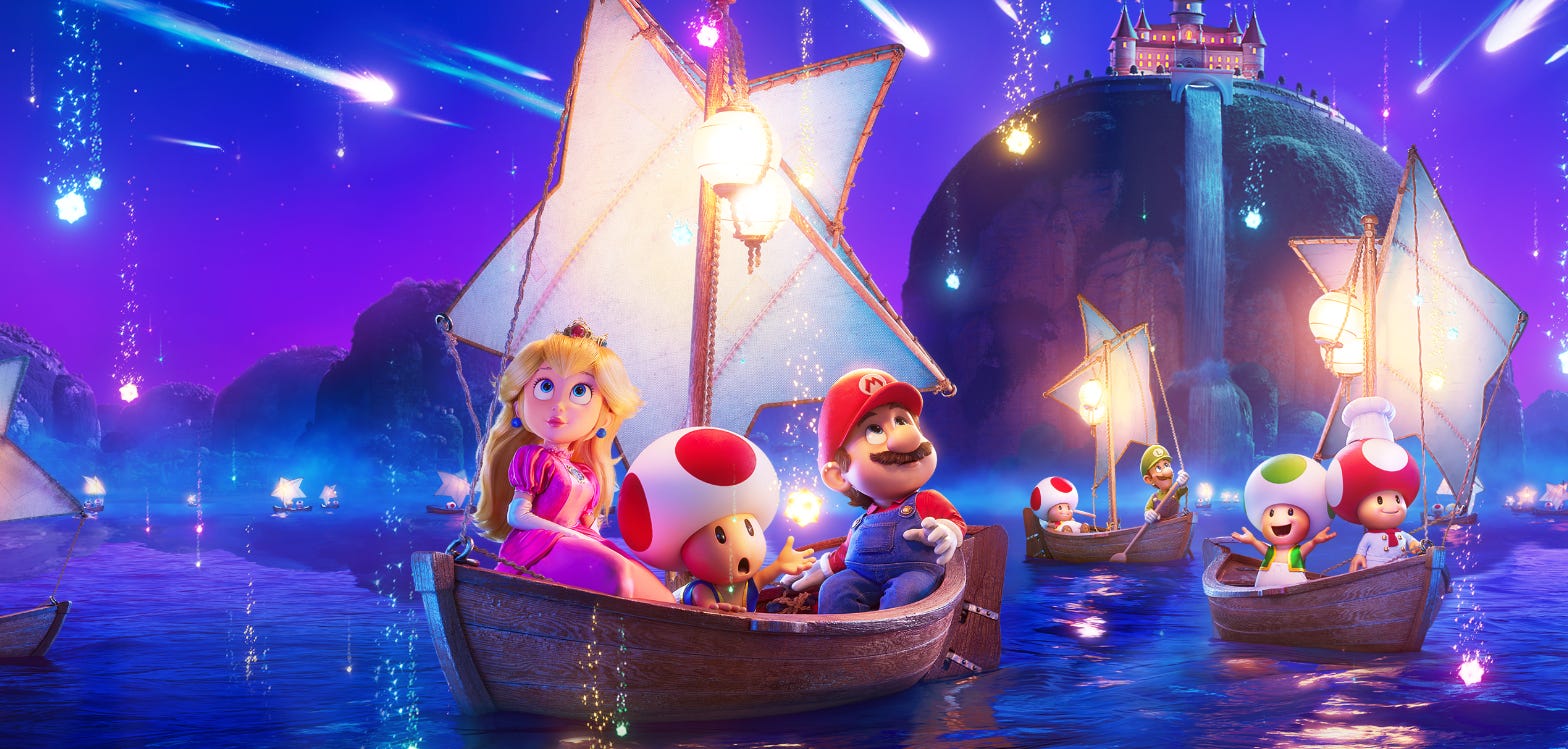
But Nintendo has a strong base for Switch 2 already, and the performance of Pokémon Pokopia shows that players will come out if the games are there. And more broadly, Nintendo IP remains extremely strong. The upcoming Super Mario Galaxy movie is conservatively estimated to deliver $160 million over its five-day opening weekend next week.
Nintendo also has huge opportunity in digital. A new Switch game can often see over 80% of its sales coming from physical retailers. Whereas, PlayStation, Xbox and PC sees the majority of its new game sales happen via digital stores. If Nintendo can accelerate its digital business, it would offset many of the margin challenges it’s facing on hardware. It could also lead to a far more lucrative generation for the company, even if Switch 2 doesn’t match the lifetime sales of Switch 1.
Nintendo is actively trying to drive its digital business. Just this week it announced that digital versions of its games will be sold at a lower price than physical versions in the US (a situation that was already the case in other markets, including Europe). Nintendo has reasons to be optimistic here, because the early sales of Pokémon Pokopia as a digital product (the physical game had sold out at retailers) is encouraging.
In conclusion, Nintendo has some tricky things to navigate. But to quote Take-Two CEO Strauss Zelnick from our interview last week: “You’re not going to be having a benefit dinner for Nintendo anytime soon”.
VR developers cheer the removal of Meta’s Horizon Worlds
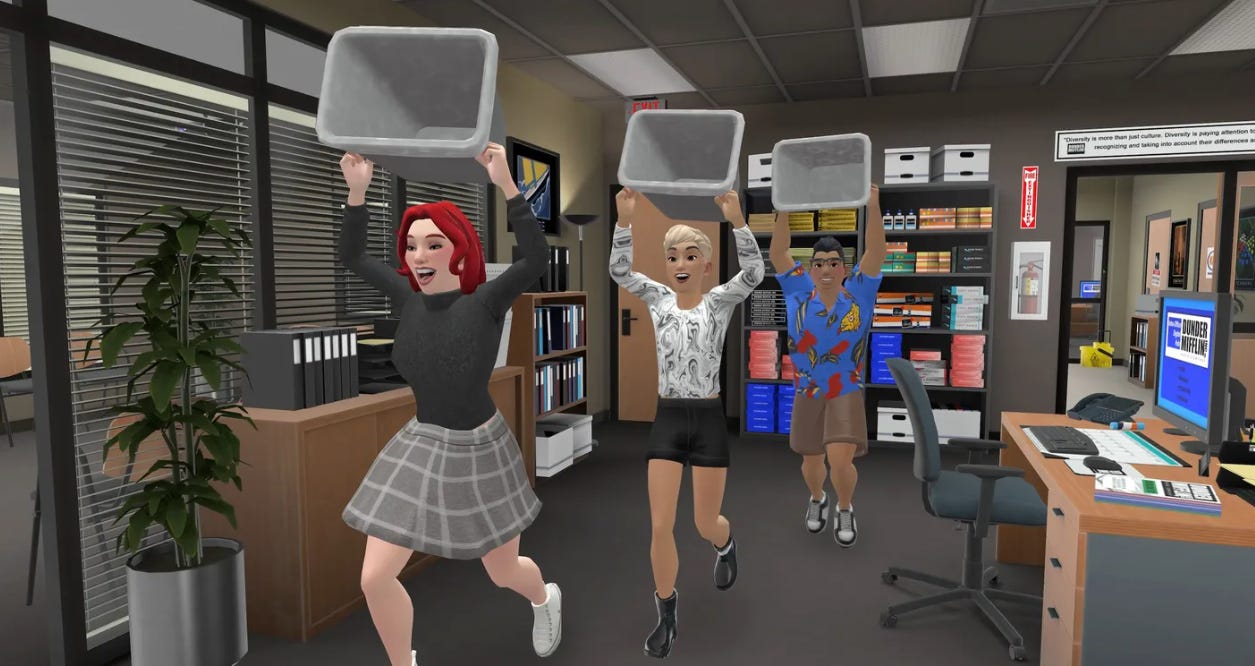
VR developers are relieved to see Horizon Worlds removed from the Meta Store.
Meta’s VR game has become a contentious issue for third-party developers and publishers. The game’s various ‘Worlds’ would dominate Meta Store, which is the world’s biggest retailer of VR video games, making it harder for VR studios to get visibility on the platform.
“This is good news for discovery,” says VR veteran and consultant Cassia Curran. “It used to be the case that the Meta Store would highlight specific worlds from Horizon Worlds, taking up valuable storefront space and shunting out games and apps that were independent of the platform. Also, quite annoyingly for most users, the default library layout would have random worlds listed in with the users’ purchased games and apps without their consent. It felt like Meta was trying to brute force an audience and engagement, rather than focusing on making an awesome product.”
Andrew Eiche, the CEO of Owlchemy Labs, which is the developer of VR games such as Job Simulator and Dimensional Double Shift, added: “I am encouraged to see Meta’s focus on the commercial health of the store. Having the same goal between the platform and the studios is good for the long-term health of the ecosystem.”
It’s some good news for VR developers. However, Meta’s pivot away from VR is a longer term concern for studios. The Quest range have been the market leading VR devices, partly because Meta has been willing to subsize the hardware to try and deliver a strong install base. It’s expected the company will be less aggressive in this area moving forward.
Meanwhile…
Epic Games is laying off more than 1,000 employees due a drop in Fortnite engagement. The firm said it needed to make “major cuts to keep the company funded.” CEO Tim Sweeney revealed that the job cuts, together with $500 million in cost savings across contracting, marketing and “closing some open roles” will put the company in a more stable place. On today’s edition of the Show, Game File reporter Stephen Totilo revealed that Epic had just over 5,000 employees before the cuts, which is roughly how many staff they had back in 2023 before making over 800 redundancies. Therefore, between making those cuts and 2026, Epic had regrown to the size it was.
PlayStation has closed Dark Outlaw Games, the studio founded last year by former Call of Duty Zombies lead Jason Blundell. It’s the second time Sony has parted ways with Blundell, as he was working on a project with the company as part of Deviation Games, but it was cancelled in 2024.
UK trade organization TIGA says the UK game development sector lost 1,537 jobs last year, which is a 4.5% drop. It is the first time since 2011 that the number has declined instead of grown. The trade body said that the number of new studios being formed fell 30% for the third year in a row. There are now 2,110 game studios in the UK, down from a peak of 2,175 in 2023. TIGA has called on the UK Government to offer stronger tax relief for studios.
Crimson Desert from Pearl Abyss has sold three million copies. The game received mixed critical reviews, which caused the company’s share price to drop nearly 30%. But things have rebounded due to the initial strong sales.
PlanetPlay has unveiled Battle for the Habitats, a major biodiversity campaign featuring video game developers, publishers and players. Launching on Earth Day (April 22) and running until World Environment Day, the campaign looks to raise $1 million for the Rainforest Alliance and Oceana.
Ubisoft’s Red Storm Entertainment will cease making video games, with 105 jobs lost. The studio will remain open, working on the Snowdrop Engine and handling some other services, including customer relations. It’s part of Ubisoft’s goal to save €500 million between March 2023 and March 2028.
The US video game market generated $4.6 billion in spending during February, up 1% from last year, according to Circana. Resident Evil: Requiem’s strong launch and a 27% boost in subscription services helped keep revenue on video game content flat compared to February 2025. Nintendo Switch 2 hardware drove 22% year-on-year revenue growth compared to last February, but it was the PlayStation 5 that once again led the hardware market in both units and revenue.
CD Projekt posted strong financial results. Revenue reached $235.2 million, which is a 9% year-on-year increase, while profit rose 33.7% to $161.4 million. This was driven by Cyberpunk 2077, which saw revenue grow 12% year-over-year.
Krafton must reinstate former Unknown Worlds CEO Edward Gill and extend the terms on which his team can secure a $250 million bonus related to the upcoming Subnautica 2. Gill, alongside the studio’s other leaders Charles Cleveland and Adam McGuire, fell out with Krafton (the studio’s owner) over the bonus. The three accused Krafton of trying to avoid paying it out by forcing a delay on the game. Krafton reacted by accusing the three leaders of threatening to handle the game’s publishing itself, without using Krafton’s internal publishing resources. This led to the termination of their employment. Now, the Delaware Chancery Court has ordered Gill to be reinstated as CEO. Subnautica 2 is currently the most wishlisted game on Steam with over four million wishlists.
That’s it for today! It is Spring/Easter break next week, so we have a slightly reduced schedule. But we still have some fun pieces for you to enjoy. Until then, thank you for reading.


