


Listen now on Apple, Spotify or YouTube
In This Edition,
Blizzard’s Holly Longdale and Ion Hazzikostas on…
- World of Warcraft Midnight
- Dealing with an ageing fanbase
- IP expansion
- Working with Microsoft
I was at university when World of Warcraft burst onto the scene. And for a lot of us back then, visiting Azeroth was almost as popular as the student bar.
That was 20 years ago. Those undergraduates who were avoiding their essay deadlines by fighting Ragnaros the Firelord are now in their 40s. Many of them have big careers and families. I can’t imagine they’re doing all-night raids these days.
Yet World of Warcraft remains immensely popular. Next month, Blizzard will release Midnight, which is the game’s eleventh expansion. It’s an impressive feat, and one that’s been achieved by embracing both new and old audiences.
“We firmly believe that our best years are ahead of us,” says World of Warcraft game director Ion Hazzikostas.
“It’s game design, but it’s also social design, and it’s thinking about how we meet a new generation where they are. That’s going to mean thinking outside the box in some places compared to what our game has traditionally been. But we’re excited to keep taking big swings.”
In this week’s edition of The Game Business, I sat down with Hazzikostas and World of Warcraft executive producer and vice president Holly Longdale. And we discuss the game’s ageing audience, the impact of World of Warcraft Classic, working with Microsoft and the future of the Warcraft IP.
You can catch the full interview above. Alternatively, I’ve selected five key takeaways in the article below.
Enjoy.
World of Warcraft has had to adapt to its ageing audience
The World of Warcraft kids of the mid-2000s are not kids anymore, and have a lot less time for an epic MMORPG.
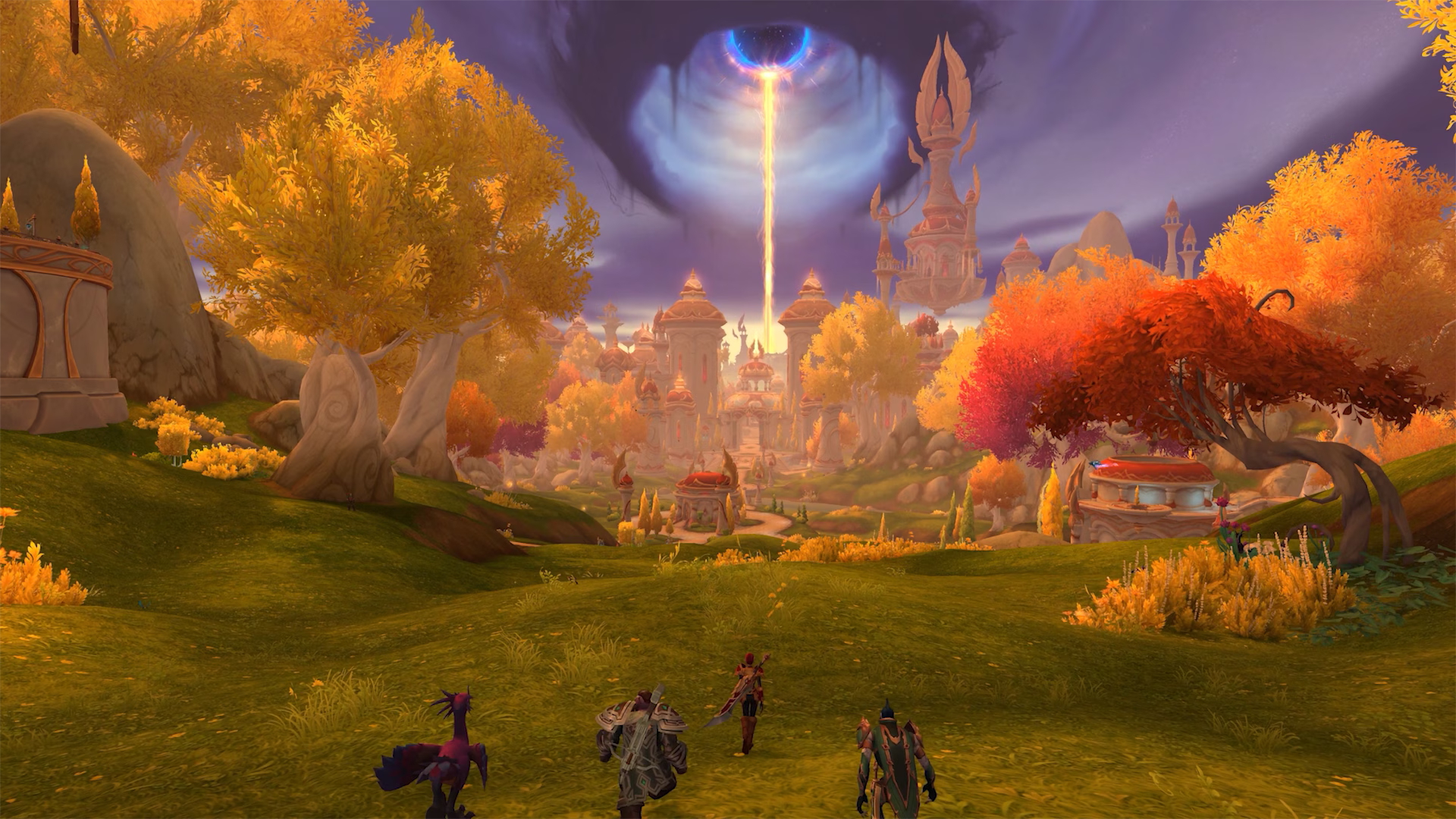
It’s something Blizzard has had to react to. In fact, it was one of the motivations behind introducing ‘Player Housing’ in the upcoming Midnight expansion, where gamers can build, design and decorate their own homes in the game.
“Gamers don’t have a lot of time anymore, necessarily,” says Longdale. “We want to make sure we’re respecting the ways they play. Things like housing allow you to come in and achieve something, without pressure. We see this more and more across the industry and across our own players.”
Blizzard now updates World of Warcraft every eight weeks via its new Live team. And that’s led to more shorter additions that players can come in, experience for an hour, and then leave.
“There are so many aspects of this game that do largely address [the fact people have less time],” Longdale adds. “For example, when we look at guilds and weekly raiding, having a schedule you can build some of your life around enables that kind of gameplay.”
She continues: “We’ve got a lot of players that say to us, ‘Give me something I can play with my kids, or play with my partner’. We have so many players and the ability to really dig into how they play, it’s given us a lot of interesting opportunities to be able to broaden out. We are aiming to be a game that’s approachable for anyone.”
I suggested that in another 20 years we might see a retired group of World of Warcraft players who will be asking for longer experiences.
“Breadth really is the key,” Hazzikostas answers. “It’s less about change in the sense of moving away from something and becoming something different, and more about being broader and more approachable in our offerings and meeting people where they are.
“We already do have retired folks playing World of Warcraft, and a generation of young students who may have all the time in the world. 20 years ago, there was the sense that, for a lot of people, the game might be something that appealed to them, but they don’t have the time for it, because it might be all-consuming. That is not what we are anymore. It’s not what we’ve been for a long time. But we still have that depth for those who want it. If you only have 20-minutes to play, you can accomplish something. But if you have an entire weekend or a vacation, and you want to go deep, that’s there as well. That’s been our approach to make sure that we are growing up with our players, but also remaining approachable and exciting for new generations, and for everything in between.”
How Blizzard is making faster expansions with no crunch
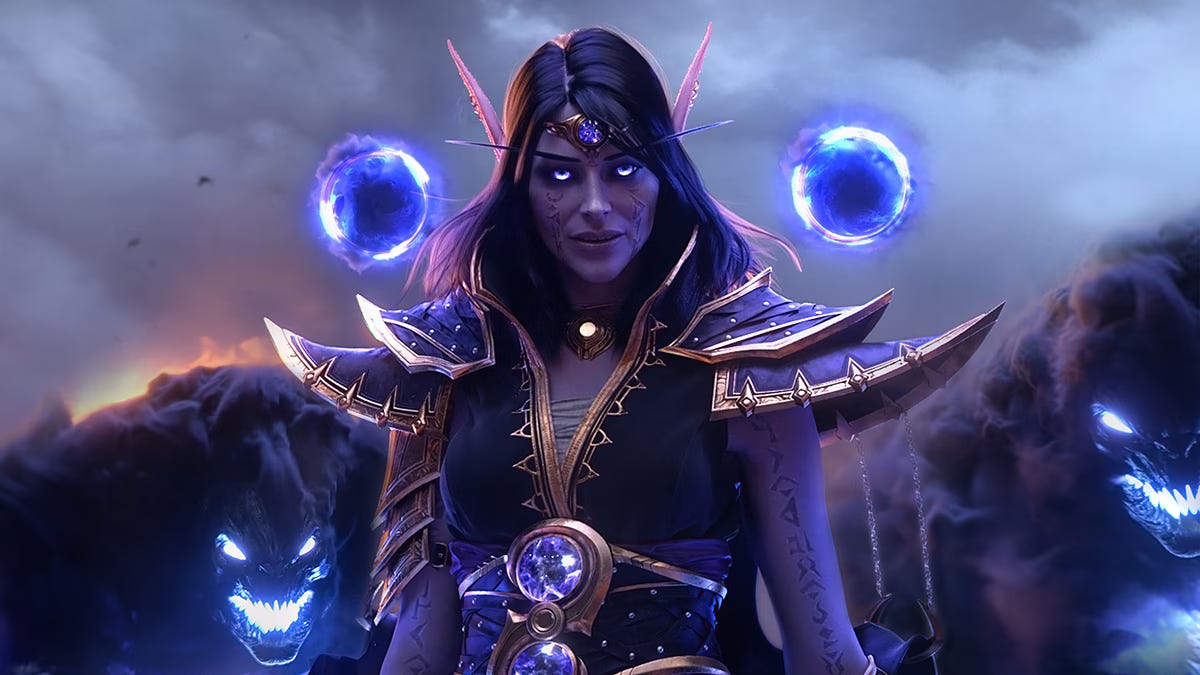
Midnight launches on March 2, just 18 months after the last expansion (The War Within). It is by far the shortest gap between releases so far, and it’s something the team has been actively working towards.
“Just organizationally, the team changed a lot so we could bring focus,” Longdale explains.
“We have teams dedicated to each expansion, and dedicated to Live, and we have a team dedicated to housing. Speeding up expansions hasn’t been easy, but my goodness, how [the team has] taken the challenge. We scope things so that they’re reasonable and doable, and they always do more than we expect.
“We have a core crew at the beginning of any expansion. [Expansion] 13 is already well underway, Last Titan [Expansion 12] is well underway, and we’re thinking beyond that. It requires focus and planning in order to make this real so that people have the time and agency to create what they want.”
Hazzikostas says it’s not just about delivering faster expansions. “10 years ago, it was almost taken as a given by our community that, at the end of an expansion, there was going to be a six-month drought with nothing new in World of Warcraft. That was objectively unfair to our players and something we’ve been working for a long time to fix.
“From my perspective, the one biggest change, along with just very rigorous planning and pre-planning, has been investing in our leaders. In the past we’ve tried to grow the team to deliver more content with fewer gaps, but we still ran into the same bottlenecks in terms of approval of creative direction, of game direction, of decision making. Our focus in the last few years has been on building empowered, strong, creative leaders, people who understand the spirit of World of Warcraft and can make decisions and keep things moving forward so that we can work on multiple things in parallel.”
Indeed, Hazzikostas points out that Blizzard has been talking about doing annual expansions since the mid-2000s, but kept running into the same issues. Now they’re finally making headway, and without asking the team to do unreasonable hours.
“Midnight will be the fastest expansion we’ve ever made in terms of the gap between expansions,” he says. “We’ve had a regular eight-week content updates all along the way. No corners cut, no compromises in terms of what we’re delivering, and no sacrifices to quality.
“Most importantly, no sacrifices to team health. I can truly say, which may be a rarity in the industry that’s thankfully starting to change more, this is an expansion that was made without crunch. This was an expansion that was made without telling the team, ‘all right, we need to come in weekends and stay late.’ We did this smarter instead of pushing our team in unsustainable ways. At the end of the day, we’re going to keep making this game for years and decades. This is a marathon, not a sprint. And we need to treat it accordingly, both when it comes to supporting our team and our players.”
The Warcraft team has made friends with the Elder Scrolls Online team

In 2022, Blizzard became part of Microsoft. Those familiar with Microsoft’s acquisition strategy won’t be surprised to know that’s had little impact on World of Warcraft. But Longdale does point to one positive.
“We get on calls with the Elder Scrolls team. We get insights from Minecraft and chat with them. It does unlock all this opportunity that probably would’ve been there if we made the phone call. But other than that, we don’t feel a Microsoft presence. They’ve been very trusting and supportive.
“They’ve been inclusive. We get to hear and see really cool things that are coming up that we wouldn’t see otherwise. But it’s the connections and learnings, especially from Elder Scrolls and Minecraft. What can we share? What can we learn?”
World of Warcraft Classic has a completely different audience
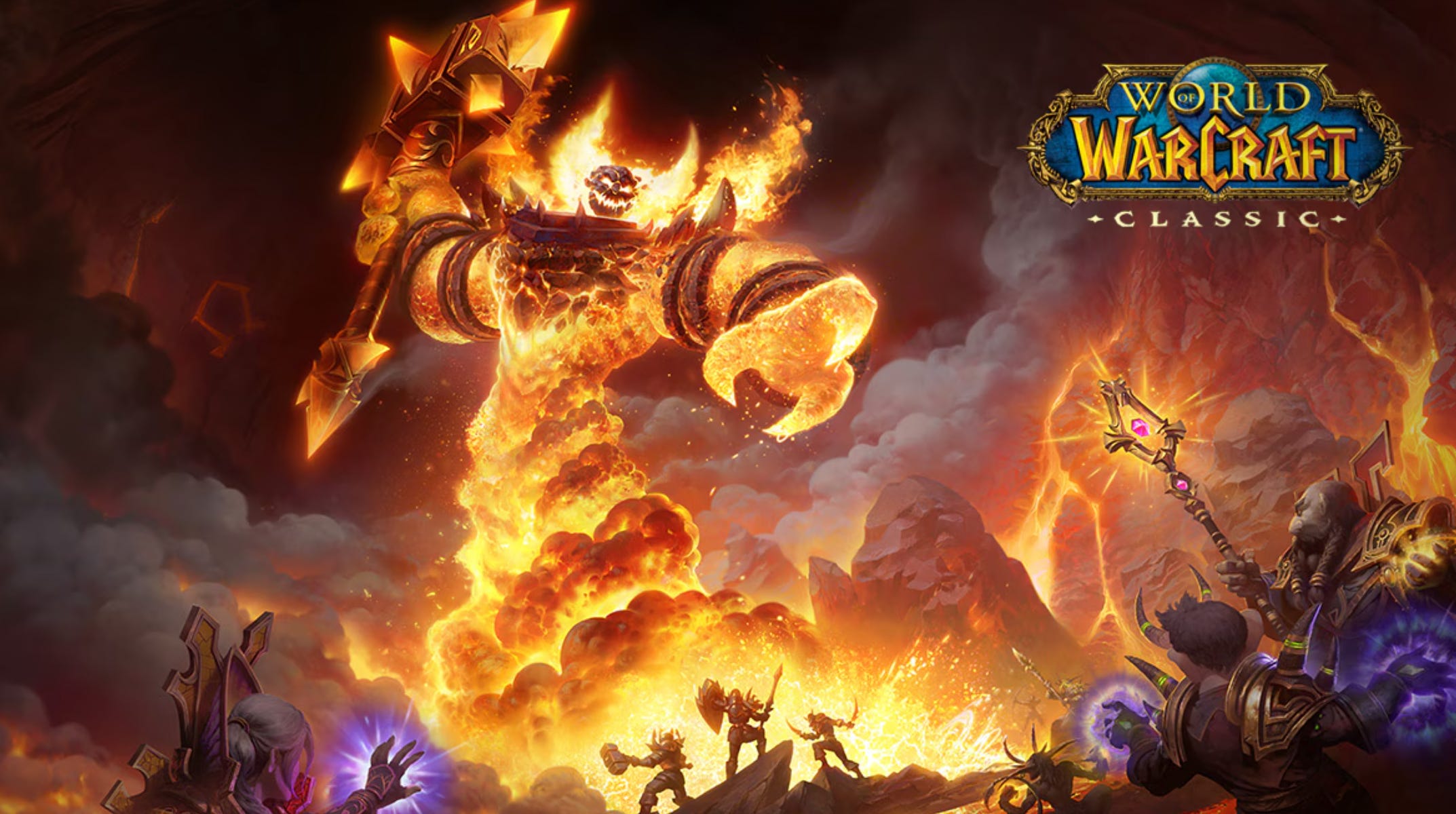
Longdale began her Warcraft career on World of Warcraft Classic. If you’re unfamiliar, Classic came out in 2019 and was a replica of the 2006 version of the game, before the first expansion.
Since then, Classic has splintered off into various directions. There’s a version with no changes at all, one which has had sequential re-releases of the original expansions, a 20th anniversary edition, a hardcore ‘permadeath’ version, and a server where Blizzard has been experimenting with new and altered content.
“When we first relaunched Classic, the mantra at the time was literally ‘no changes’. The community viewed this 2004 game as the perfect game, and we went out of our way to even reproduce bugs,” Hazzikostas explains.
“Once a community is playing a game, it’s a living organism, and like any MMO, it belongs to them as much as it does to us. They came to the realization that there are areas where they would like to see some tweaks. That gave the team license to experiment. But they are largely separate communities at this point.”
Longdale adds: “Classic players are completely different, for the most part, than modern players. They behave differently. They want different things. We don’t have a whole lot of crossover between both games.”
Even so, the Classic team’s experimental and reactive approach has had an impact on the modern World of Warcraft, Longdale says.
“It has, at a foundational level, changed how the WOW team thinks about the content they create, and that it can be reactive.”
“The Warcraft IP has been underutilized”
Warcraft is an iconic IP, and it’s one that has been expanded upon. There are countless novels and comics, there was a major movie in 2016, and there have been other Warcraft-based games, including the hit digital card game Hearthstone.
Yet Longdale feels Warcraft can go further.
“It’s a fantastic IP. In my humble opinion, it’s been underutilized and I just want to bring it to as many people as possible. And that means evolving what Warcraft means, what it is, and where it’s going. We want it to be approachable. Chris Metzen [executive creative director], is sometimes like, ‘I wish we hadn’t called it Warcraft. It sounds intimidating.’ But I’m like, nobody really thinks that about Warhammer. It’s an understood name.
“This idea of ‘third space’ in our online worlds, we can’t even define what that means exactly, but we’re working on figuring that out. We want people to come in, hang out and have birthdays, weddings, raids, grand adventures, play with their friends, meet new friends… all the things that World of Warcraft has been good at for over 20 years.
“And at the same time, we want to take advantage of 20 years of stories that have been told and not told, and start bringing it out to the world in a broader way. That’s my goal and vision.”
The challenge is to make Warcraft appeal more broadly, without sacrificing what it is.
“We’re never going to stop doing the things people love,” Longdale concludes. “But at the same time, we have a bigger vision than simply being an MMORPG.”
That’s it for today! Check back later for a bonus edition of the newsletter. And this Thursday, we will welcome Circana games boss Mat Piscatella to discuss the biggest games coming out this year that are not called Grand Theft Auto. Until then, thank you for reading.


