


Listen now on Apple, Spotify or YouTube
In This Edition,
Pocketpair’s John Buckley on…
- The Palworld experience
- Launching a publisher
- Whether he’d sign a $10m game
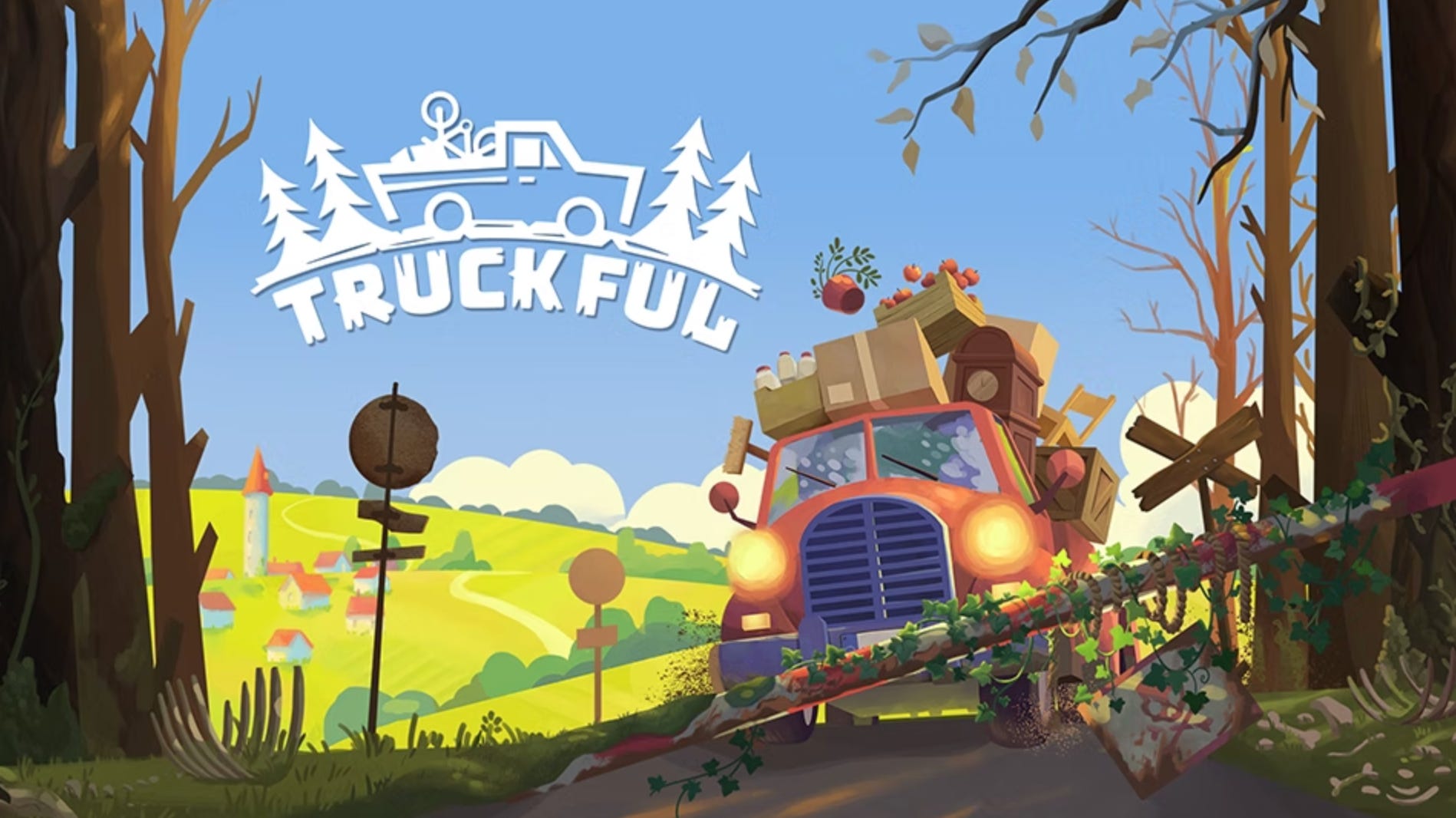
The moment Pocketpair launched its publishing website, it received a pitch it wanted to sign.
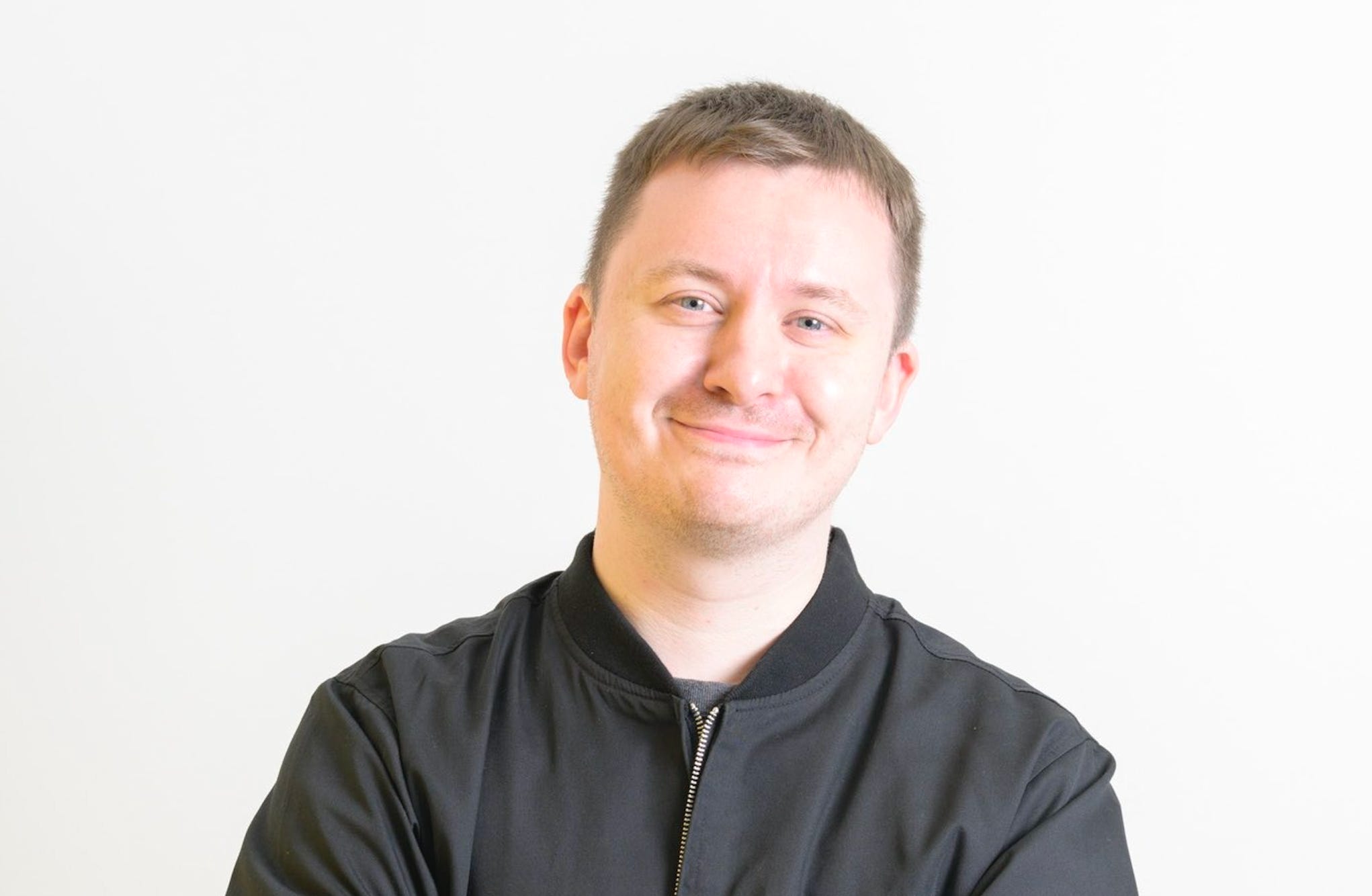
“Everything was perfect,” recalls John Buckley, who is head of communications and publishing at the Palworld developer.
“The budget was perfect, the plan was perfect, the vision was perfect, the idea was perfect, the marketing… and we were terrified because we thought if this is what every pitch is going to be like, we’ll be bankrupt in 12 months.”
That game was Truckful, which asks players to deliver goods around the countryside, all while unravelling a small-town mystery.
“What we really want to hear when someone’s pitching a game is that they actually want to make it,” Buckley explains. “We are very inexperienced, this is only our first year, so other publishers might shake their fist at this, but you get a lot of decks that have a lot of fluff. It’s a lot of sales projections, or here are all the games every team member has worked on over the last 25 years. It’s a lot of the things around the game, not so much about the game itself.
“The Truckful pitch came along, literally every single slide was about the game. It was, we need the money for this and this and this, and month one, month two, month three… It was down to the exact cent. And before you even meet these guys, you instantly feel they really want to make this game. They’ve gone to the lengths to show exactly what they need. It’s hard to say no to something like that.”
From Palworld to publisher
The story of Pocketpair Publishing started exactly two years ago with the launch of Palworld.
The survival game was a mega hit. It drew in 25 million players in a month across Xbox (where it was on Game Pass) and PC, with 15 million sales on Steam alone. It was one of those shock industry success stories, and Pocketpair wasn’t ready for it.
“We managed with great difficulty,” recalls Buckley. “It was certainly an avalanche of attention, and it was coming from two places. We’re getting just unbelievable amounts of player attention, which comes in the form of… not only tweets or comments, but also bug reports. You just get this absolute deluge of feedback.
“But then also it’s industry attention. We were just getting dozens and dozens of emails from media and other developers and third-party services, every day. It was a huge amount of information to take in.”
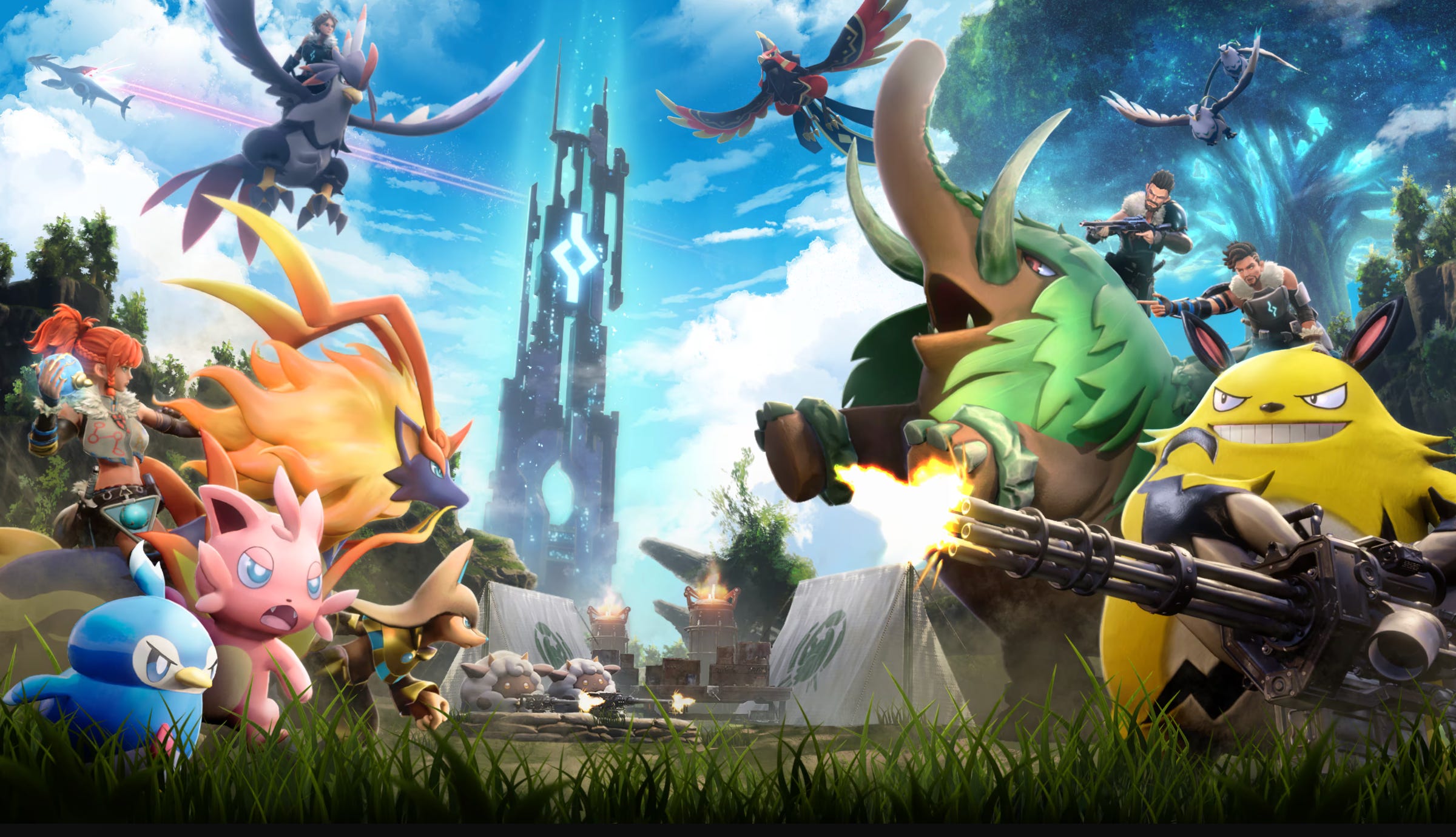
But beyond dealing with its popularity, the studio had to contend with all the noise around Palworld. Theg ame came under attack for perceived similarities to the Pokémon series, to the point that Nintendo and The Pokémon Company is suing Pocketpair for patent infringement. And there were accusations that the game used AI-generated artwork, which the developer has repeatedly and vehemently denied.
“It affected us a lot,” Buckley admits. “It’s obviously pretty surreal to release a game like Palworld that does 25 million in one month, and then for so much of the conversation to not be about the game. It was really hard to deal with at that time. And even now, almost two years later, it still affects us a little bit. But generally speaking, we ignore it.
“Two years ago you could just say anything about Palworld, and you would get a lot of attention, whether it be true or untrue. It upsets you. It’s never fun when you open social media, Discord, whatever, and it’s just, lies, lies, lies, lies, lies. But at the end of the day, we’re just trying to make a game.”
After the initial buzz, Palworld has settled down. The gamers that rushed in to see what the fuss was about have largely gone away and that’s left a core group of loyal fans who have an ‘Overwhelmingly Positive’ view of the game.
But it continues to sell. Palworld was one of Steam’s ‘Bronze’ sellers last year, which means it’s still generating tens of millions of dollars for Pocketpair. And there’s more Palworld to come. There are licensed products, a mobile game, and a farming spin-off in the works. Palworld remains lucrative, and some of that money is being recycled back into the industry.
“Two years ago you could say anything about Palworld, and you would get a lot of attention, whether it be true or untrue. It’s never fun when you open social media and it’s just, lies, lies, lies, lies, lies.”
“Pocketpair has struggled for many years,” Buckley says. “We’ve shipped games that were moderately successful, which just about funded the next thing. We’re no stranger to suffering, and trying to get by by yourself.
“Shortly after Palworld released, a lot of people reached out to us unsolicited, saying, ‘Hey, I’m working on this game’. And we thought, is there any reason we’d get involved? We don’t have the resources to really act as a publisher. All of our games have basically been self-published, right? So that entire side of the industry is relatively alien to us. And what surprised us the most was the conditions that are normalized now in the indie publishing world. You’re meeting with these four or five-man teams who are looking for what is relatively not a lot of money. And they are very used to just giving up all of their revenue for one year. We just couldn’t believe it. You want to make this thing that you are totally in love with, and the price you have to pay is someone else taking all your money for years and years and years.
“We realized, we’re in a position where we’re not wanting for anything at the moment. We can afford to give indies the money they need and not take these huge revenue share agreements. [We do] much fairer deals that let these developers survive from sale one onwards, rather than from sale 50,000 or whatever.”
A good Take
Ahead of The Game Awards 2024, Buckley met with Surgent Studios boss Abubakar Salim at the JW hotel bar. Salim pitched him multiple games, and it was Dead Take that caught his attention. The FMV horror title came out last July as Pocketpair Publishing’s first third-party release.
“It was a lot of fun [to work on],” Buckley says. “We learned that we can try and be as hands off as possible, but there’s always going to have to be some level of oversight. Our dream was: ‘Here’s the money, good luck’. But of course, there’ll always come a time when we need to jump in a bit, offer some advice and stuff like that. But it was a really positive experience. We hope Surgent feel good about it, too. It shipped on time, it came out well, and the players seemed really happy.”
Despite the name, Pocketpair Publishing doesn’t offer many publishing services. The team is effectively two people, and one of those also happens to run community for Palworld. The firm offers two types of agreement. The first is straight funding, with a “small revenue share” until costs are recouped. The second is the same funding, but with Pocketpair handling the Asian release.
“We’re based in Japan and our games have been very successful in Asia, so we feel very confident in our Asian marketing, PR and distribution abilities,” Buckley says. “A lot of Western devs don’t have this luxury. We are, at the moment, using the Palworld team. If you join Pocketpair Publishing, and you want to sell your game in Asia, it’s the Palworld guys that are helping you.”
Buckley hopes to expand the team, but as it stands, Pocketpair sound more like an investor than a publisher.
“In the beginning. a lot of people said, ‘you should call it Pocketpair Investments’. But a lot of game investments come with equity deals, whereas we don’t do that,” Buckley responds. “We literally just fund the game. We don’t buy out any of the company. We don’t take any of the IPs. We really are hands-off.”
Indeed, Buckley says that Pocketpair provides feedback, but it doesn’t have the “authority to make changes”.
“All we can do is say, ‘Hey, this looks great. You’re going in the right direction’. Or, ‘Have you considered this instead?’ But ultimately, if our developers say, ‘we’re going to go this way’, then so be it. It’s their vision.”
Future games
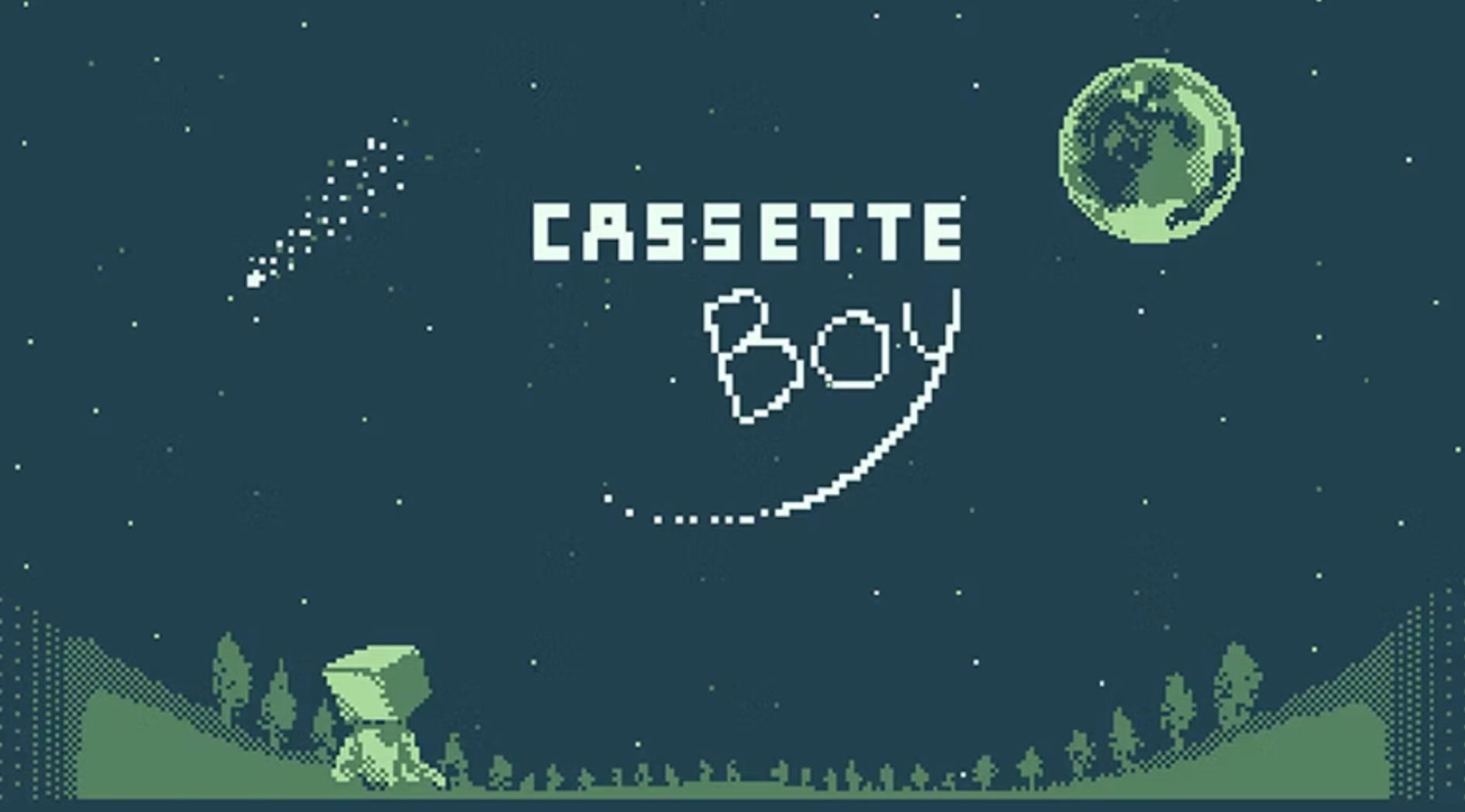
Beyond Dead Take and Truckful, Pocketpair Publishing’s other titles include the metroidvania Never Grave, dark fantasy shooter Vision Quench, retro-style fishing adventure Normal Fishing, and just last week it released 2D/3D pixel action RPG Cassette Boy.
“The running thread between these is, when we talked to these guys, their enthusiasm for making the game was just infectious,” Buckey says. “They’re all quite small. None of these are huge, $10 million games. It’s nothing like that. They’re little games made by people who really want to make a game comfortably, in their own way, at their own pace, without being told what to do. That, I guess, is what a Pocketpair Publishing game is.”
“They’re little games made by people who want to make a game in their own way, at their own pace, without being told what to do. That’s what a Pocketpair Publishing game is.”
But would he sign a $10 million game?
“We’ve been pitched games that are in the thousands of dollars, like student games, and we’ve been pitched games touching the nine-figure range. I would never say never. We don’t really have any set budgets, because we’re quite fortunate. We just haven’t found one that speaks to us yet. We’ve spoken to a few that seem promising and we will likely see them at some big game show over the next couple of years, but they just didn’t really click with us.
“We don’t want to just give money for the sake of giving money. We obviously need to feel that there’s something special behind it. So, at the moment, no. But ask me again next year and maybe we’ll have signed something.”
Buckley admits that setting up Pocketpair Publishing has been “quite difficult and quite scary”. But the impression I get is that this isn’t some hyper ambitious business venture. It’s more an altruistic endeavour; a means to give back to the business and work on fun projects.
“Success for us is that we just keep funding games,” Buckley concludes. “The reality is that as long as Pocketpair is successful, Pocketpair Publishing will continue to operate as we are. I don’t see a situation where we stop for the sake of stopping even if these six/seven games all crash and burn. I’m sure we’re just going to keep signing more, and helping people find the courage to keep making games.
“Of course, if one of these games is a mega hit and sells 25 million, I won’t complain.”
That’s it for today. Join us on Thursday as we dive into the crisis going on in VR. Thank you for reading.


