


Listen now on Apple, Spotify or YouTube
In This Edition,
Paramount Games Shawn Kittelsen on…
Turtles, Star Trek and original IP
His AI scepticism
‘Cost effective AAA’
The impending Warner Bros deal
… Jackass
Last week during Summer Game Fest, Paramount revealed its games division.
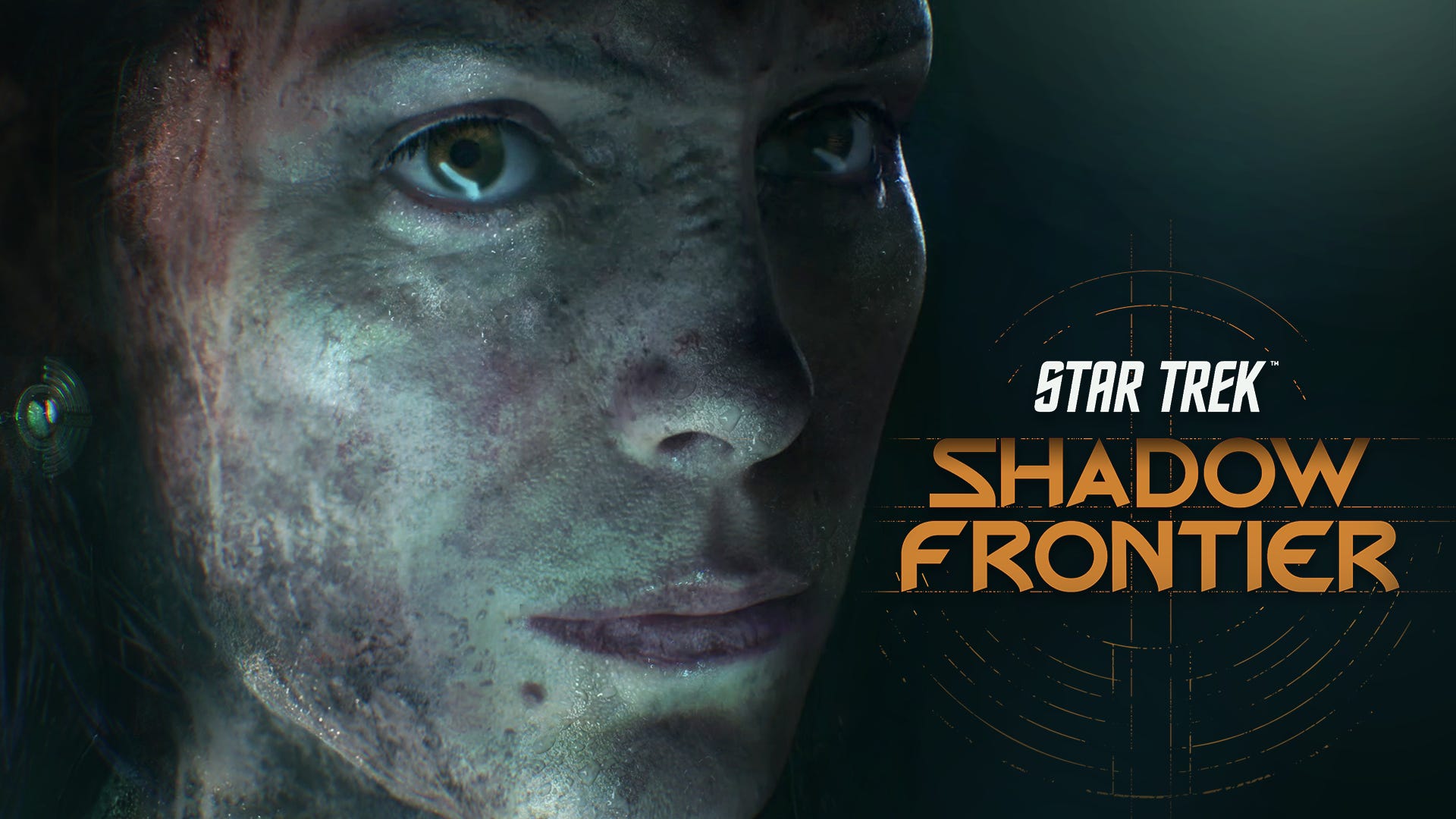
Paramount Games Studio combines its two Skydance developers (including the Marvel 1943 team), with its licensing group. And it’s built out a publishing operation, which is signing titles such as Teenage Mutant Ninja Turtles: The Last Ronin from Platinum Games, and Star Trek: Shadow Frontier from Bloober Team.
It sounds exciting. But I’ve been here before. At E3 2011, I met Paramount Digital Entertainment to discuss its big push into games. There was even a new Star Trek title. But the game wasn’t great, and the company soon gave up.
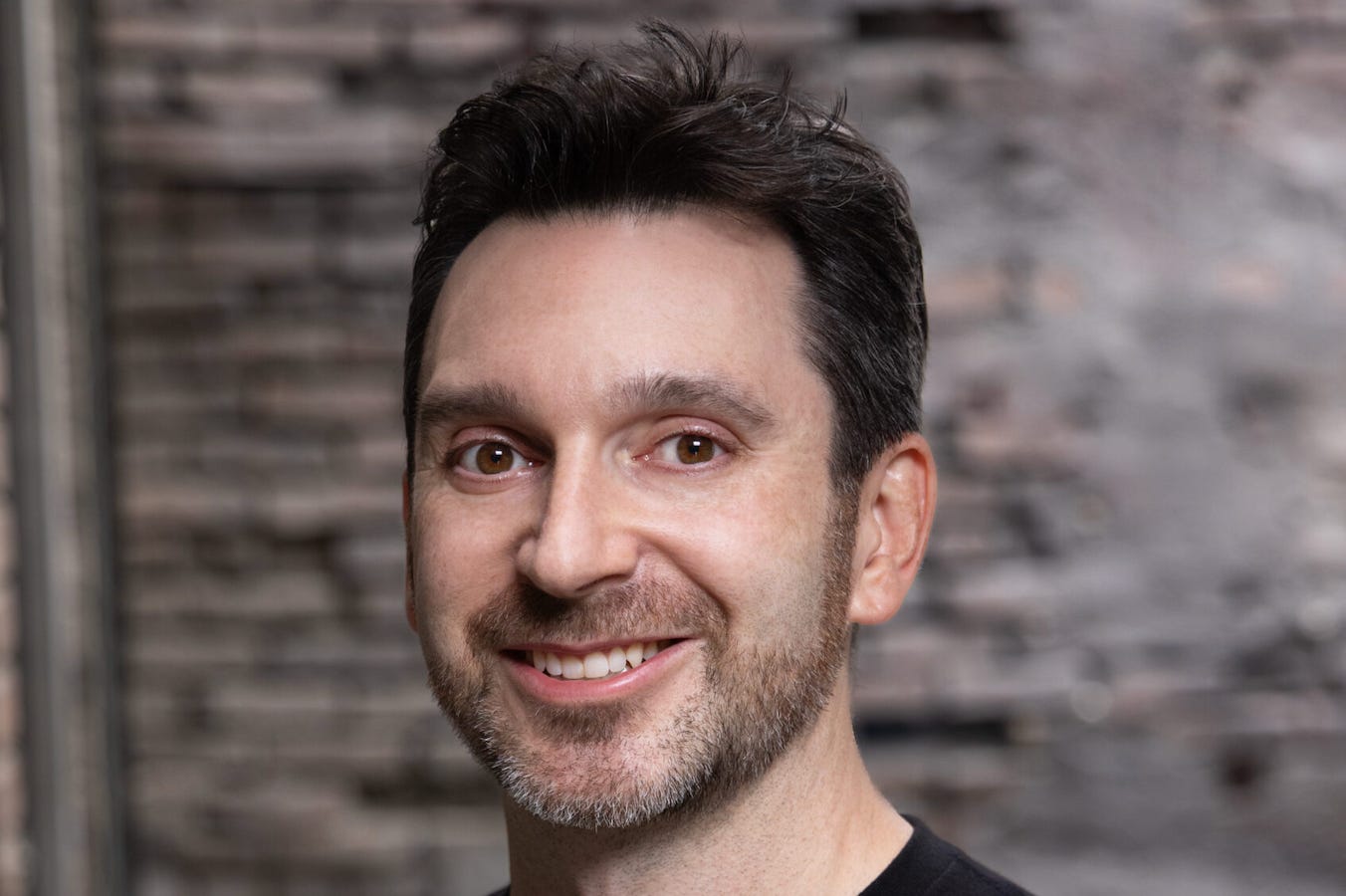
“The biggest difference [this time] is we have a crew of people who are seasoned games professionals,” says Shawn Kittelsen, the senior vice president and head of creative and production at Paramount Games.
“All of us have made hits elsewhere, and feel like there were opportunities to do something different and better. And we had an open mind in [Paramount CEO] David Ellison saying, ‘Yeah, we can do things our own way.’
“But the biggest difference from prior Paramount forays into games is we’ve already made some pretty substantial investments into key projects.”
It sounds promising, but there’s the spectre of Warner Bros looming over this. Paramount is about to acquire a company that already has a substantial games division that oversees huge titles like Hogwarts Legacy, the LEGO games and Mortal Kombat.
“There’s a long road between here and any transaction with Warner Bros closing and any decisions being made,” Kittelsen says. “We’ve been at work on this for a while, and it’s been a priority for the company. We’re setting up projects for the long haul. I don’t think any of our priorities today will change in the near term.”
I really enjoyed my chat with Kittelsen. Of course, we talked Star Trek and Turtles, but we also discussed the company’s sustainable approach to making games, getting licensed projects right, developing original IP and… Jackass.
You can watch or listen to the whole conversation above. Alternatively, here are my choice quotes.
Paramount wants to build blockbusters…
at a sustainable price
“We’re going for blockbusters. We’re going for crowd pleasers. We want to find big audiences,” Kittelsen says. “So, what we do has to punch through the noise, but it doesn’t always have to punch through the noise at great expense. Sometimes it can punch through with great innovation.”
He continues: “We’re looking at really cost-effective AAA. We are not looking to try to chase GTA. I just watched your last Show on GTA. We’re not trying to chase our way into hundreds of millions of dollars in budgets, which then puts not only the game at a high risk of not making its money back, but puts everyone who’s been working on it at high risk because we’ve bet the company on one title.
“We want to take appropriately sized bets for where the market is at today, and that means everything from exploring new ways of working with co-developers and support teams, to having a really strict governance process where we are not trying to start with a team of 300 people on day one, but we are starting with a small team that’s working on core vision, core mechanics, story and art and concept, and then gradually as we are validating each of those pieces of the game, building up to the point where we feel confident to scale production and go forward.
“A lot of people can speak to that, but that discipline is actually really hard in practice, because there are often forces outside. Whether it’s, ‘Well, we’ve got all these butts in seats and we need to keep them working,’ or it’s just like the institutional momentum of, ‘Well, can’t we make it faster?’ Having patience and a bit of foresight is something that doesn’t always come naturally to the game industry, and we’re trying to make that intrinsic in our core business.”
Paramount wants ‘multiple titles a year’.
“We’re looking at building towards a future where we have multiple titles a year, and not just relying on one or two tentpoles,” Kittelsen explains. “That in itself would be a very high-risk way to run the business. We’re lucky that we have more mature properties, we have Nick Toons and SpongeBob and really strong kids’ properties. Making sure that we have titles that speak to audiences across the board throughout the year is our primary goal.”
Licensed games need to be made ‘by fans, for fans’
The key to a good licensed game is making sure the people building it genuinely care about the IP.
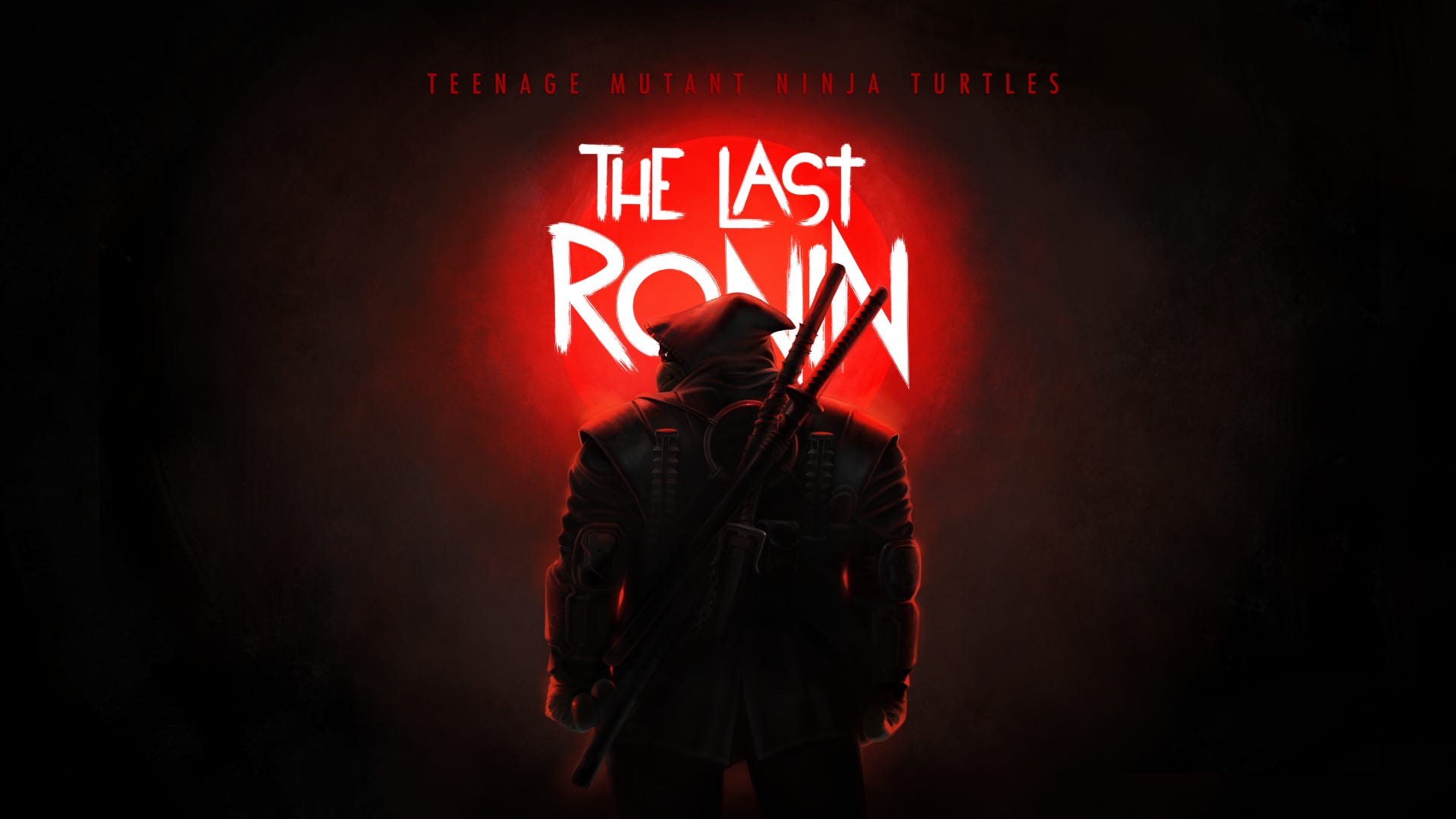
“Platinum’s pitch for Turtles was more than what I had expected,” Kittelsen recalls. “I was expecting a Platinum pitch of, ‘we’re going to do this bombastic action and here are the systems.’ And instead, they pitched a game about the seasons of life, regret and change. They had a pitch that spoke to their passion as fans.”
He adds: “We want everyone who works on these games to be as passionate about the them as we are. It’s not just about, ‘how do we exploit these IP? How do we extract as much value from them?’ That is the worst possible way to go about this business. I didn’t get into this business to be a soulless value extractor. [You need to] channel a true and genuine and absolute pure love of the stories, the characters and the world. When you do that, when you channel that fandom into your work and your creativity, it resonates so much more with an audience.”
Sponsored Message
Gamescom 2026 tickets available now

You can now book your passes to the world’s biggest video game event. The Gamescom business tickets can be bought for 1 day or 3 days, while there is a five-day version that includes the Gamescom dev event. Ticket details can be found here.
Each ticket offers access to the matchmaking platform gamescom biz and includes free use of public transport in the VRS region around Cologne. Last year’s gamescom featured 1,568 exhibitors from 72 countries. There were 357,000 visitors, including 34,000 industry attendees.
The original Last Ronin had ‘gone away’
Teenage Mutant Ninja Turtles: The Last Ronin is a new title developed by Platinum Games and published by Paramount. But the last we heard, it was being made by Black Forest and published by THQ Nordic.
“When [the new Paramount Games] team started, that previous version of Last Ronin was already not happening,” Kittelsen explains. “We came in and said, ‘So what’s up with Last Ronin?’ They said, ‘Oh, that’s gone away.’ We immediately said, ‘What can we do with Last Ronin then? That’s a no-brainer game to make.’
“We knew that there were not any plans to move forward with something theatrically for Last Ronin. I’m a huge Turtles fan, grew up with the Turtles, I was the target audience for The Last Ronin. So, we started looking at partners. Platinum was a really compelling partner with their track record with games like Bayonetta and NieR: Automata. They’d worked on a Turtles game previously. I’ll let them tell that story but, again, different Paramount team, different expectations and maybe not the best conditions. So, we approached it with, ‘what if we gave you the best possible conditions to make the best possible game?’ And we found them to be incredible partners”
AI isn’t going to make the difference people think
Kittelsen is sceptical around whether AI tools will significantly speed up game making.
“It’d be really easy to win points with investors by saying, ‘Yeah, we’re going to just use AI to make everything faster, cheaper, better.’ But those tools have not reached the point of maturity yet where we can say there are truly meaningful savings to be found. For one, while there are perhaps accelerative properties to coding that we can achieve with AI today, actual content development and generation is not moving that much faster and certainly not improving the quality of the content that we can create. We want human hands to be on our products.
“If we say ‘by fans, for fans’, and then we put AI in, then it’s… ‘Well, who made the decisions about what’s fun?’ ‘Well, we let the computer decide.’ Did the computer grow up collecting Ninja Turtles action figures? And comic books? And dreaming of skateboarding in the sewers? No.”
Paramount Games wants to sign original IP, too
It’s not all about SpongeBob, Turtles, Avatar and Star Trek.
“Games can be the origin for the next great franchise,” Kittelsen explains. “Last Ronin is a good example of being a super popular series of comic books and graphic novels, that hasn’t had an adaptation into mass media yet. We can build a new iteration of a known franchise in games and prove how much of an appetite there is for something like Last Ronin. And then use that to support a future film adaptation or a television series. That’s what we can do with the IP that we have that exists.
“For any global entertainment company, there’s a finite amount of content that you can put out for a given franchise before you exhaust the audience, and before you need to pace things out. So, no matter how many great IP we have, we need to be developing more. We can’t just rest on reheating the same stories and the same characters over and over. The fans of those stories and characters will eventually say, ‘stop we want something different.’
“We are exploring a portfolio that includes the franchise IP that’s already got a giant fan base. We’re exploring emerging IP, so things that haven’t been adapted into games or mass media before. And then we’re actually working on some original IP as well. We want to build franchises, not just inherit them.”
It’s not interested in mobile or live-service… yet
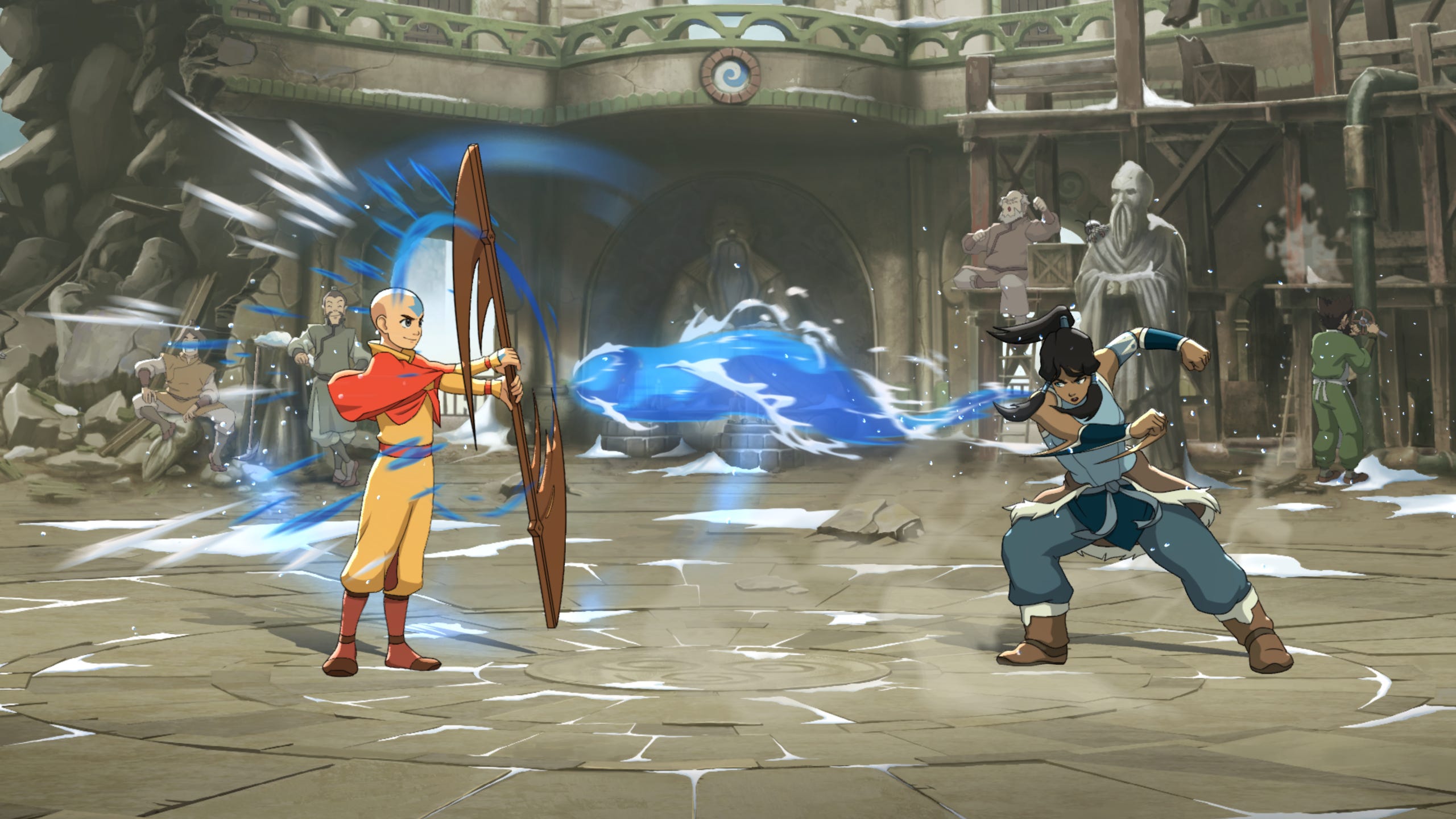
Similar to our recent interview with Hasbro, Paramount Games isn’t looking at mobile or live-service adaptations right now.
“Phase one is more about single player,” Kittelsen says. “Single player… it’s where the studios that we’re working with have made their bread and butter. It also makes the most sense for a lot of these franchises.
“But long term, absolutely, we want to get into live service. We want to get into mobile. But for the time being, we can find really great partners to work with [in these areas] on a licensing basis, or on a co-financing basis.
“You can’t really go halfway into mobile. It’s a big investment, not just in development, but in marketing and live services and user acquisition. If we go in, we have to go in with a pretty significant investment, and it’s very difficult to build that, and you see a lot of companies crash on the rocks going half measures.”
He’d love a Jackass game… but it probably doesn’t make sense
As we wrapped up our interview, I asked Kittelsen what Paramount IP would he like to see turned into a video game.
“If I set aside my business brain and just talk about what would be really fun... maybe Jackass,” he concluded. “I grew up in the ‘80s and ‘90s, so there’s a lot in the MTV catalogue that speaks to me that I’m always looking at out of the corner of my eye thinking, ‘We could do something really fun with you.’”
That’s it for today’s edition of The Game Business. Join us back here on Thursday for the full interview with Xbox Chief Strategy Officer Matthew Ball that we recorded on Monday. Until then, thank you for reading.


